
- Published on
Menopause and Insulin Resistance: Managing Your Glucose
If you have reached your 40s or 50s and feel like your body’s "operating manual" has been rewritten overnight, you are not alone. Many women find that the lifestyle habits that kept them healthy for decades—the morning toast, the occasional dessert, or the standard gym routine—suddenly result in unexplained weight gain around the midsection and frustratingly high numbers on their glucose monitors. This transition isn't just about hot flashes and mood swings; it is a fundamental shift in your metabolic health.
Menopause and the years leading up to it (perimenopause) are periods of intense hormonal fluctuation. While we often focus on the reproductive changes, the decline in hormones like estrogen has a profound impact on how your body processes energy. Understanding the link between menopause and insulin resistance is the first step toward regaining control. Let’s explore why these changes happen and, more importantly, what you can do to keep your glucose levels stable and your energy high.
Why Menopause Changes Your Metabolism
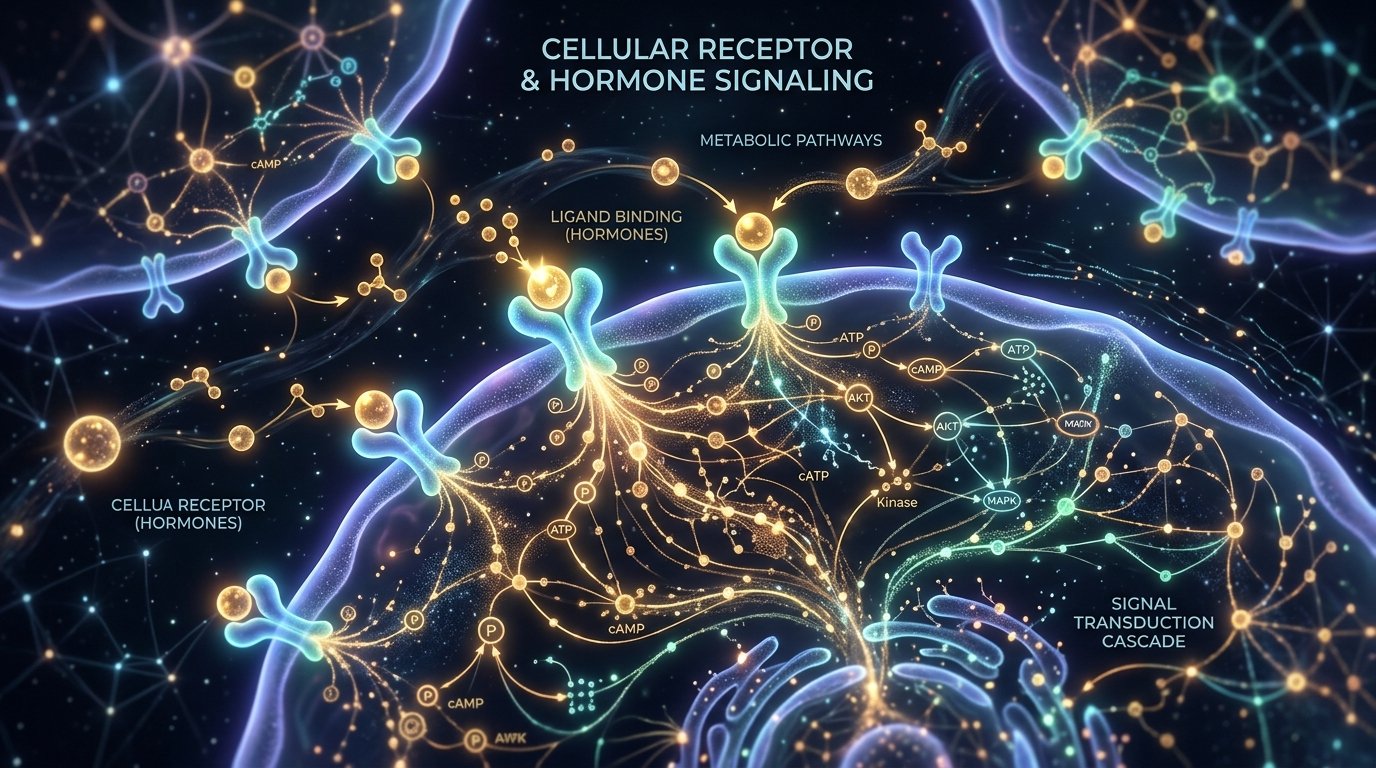
The primary driver of metabolic changes during menopause is the significant drop in estrogen. Estrogen is often thought of as a reproductive hormone, but it is also a metabolic powerhouse. It helps your cells stay sensitive to insulin, the hormone responsible for moving sugar out of your bloodstream and into your cells for energy.
When estrogen levels decline, your cells become less "sticky" for insulin. This leads to insulin resistance, a condition where your body needs more insulin to do the same job. As a result, blood sugar levels stay elevated for longer after meals, and your body becomes more prone to storing fat—particularly visceral fat around the abdomen. This "middle-age spread" isn't just a cosmetic concern; abdominal fat is metabolically active and can further increase insulin resistance, creating a frustrating cycle.
Furthermore, the fluctuations in progesterone can also play a role. Progesterone can affect how quickly food moves through your digestive tract and how your body responds to stress. When these two hormones are out of balance, your "Time in Range" (the percentage of time your blood sugar stays within a healthy target) can begin to shrink. If you are curious about what these metrics mean for your long-term health, you might find our guide on understanding Time in Range helpful.
Identifying the Signs of Insulin Resistance
During menopause, the symptoms of insulin resistance often overlap with common menopausal symptoms, making it tricky to identify the root cause. You might experience:
- Increased Fatigue: Feeling a "crash" after meals or general lethargy despite sleeping well.
- Intense Sugar Cravings: Your cells are starving for energy because the glucose isn't entering them efficiently, leading your brain to signal for more quick fuel (sugar).
- Brain Fog: Difficulty concentrating or remembering things, which is often exacerbated by glucose spikes and crashes.
- Disrupted Sleep: Night sweats are common, but blood sugar dips can also wake you up in the middle of the night.
- Slow Recovery: Noticing that it takes longer to bounce back from a workout or a minor illness.
If you use a Continuous Glucose Monitor (CGM), you might see higher "fasting" glucose levels in the morning or larger spikes after carbohydrate-rich meals that didn't used to bother you. This is often related to the Dawn Phenomenon, which can become more pronounced during the menopausal transition. Please consult your doctor if you notice persistent high readings or if you are concerned about your A1C (average blood sugar level over 3 months).
Nutrition Strategies for Hormonal Balance
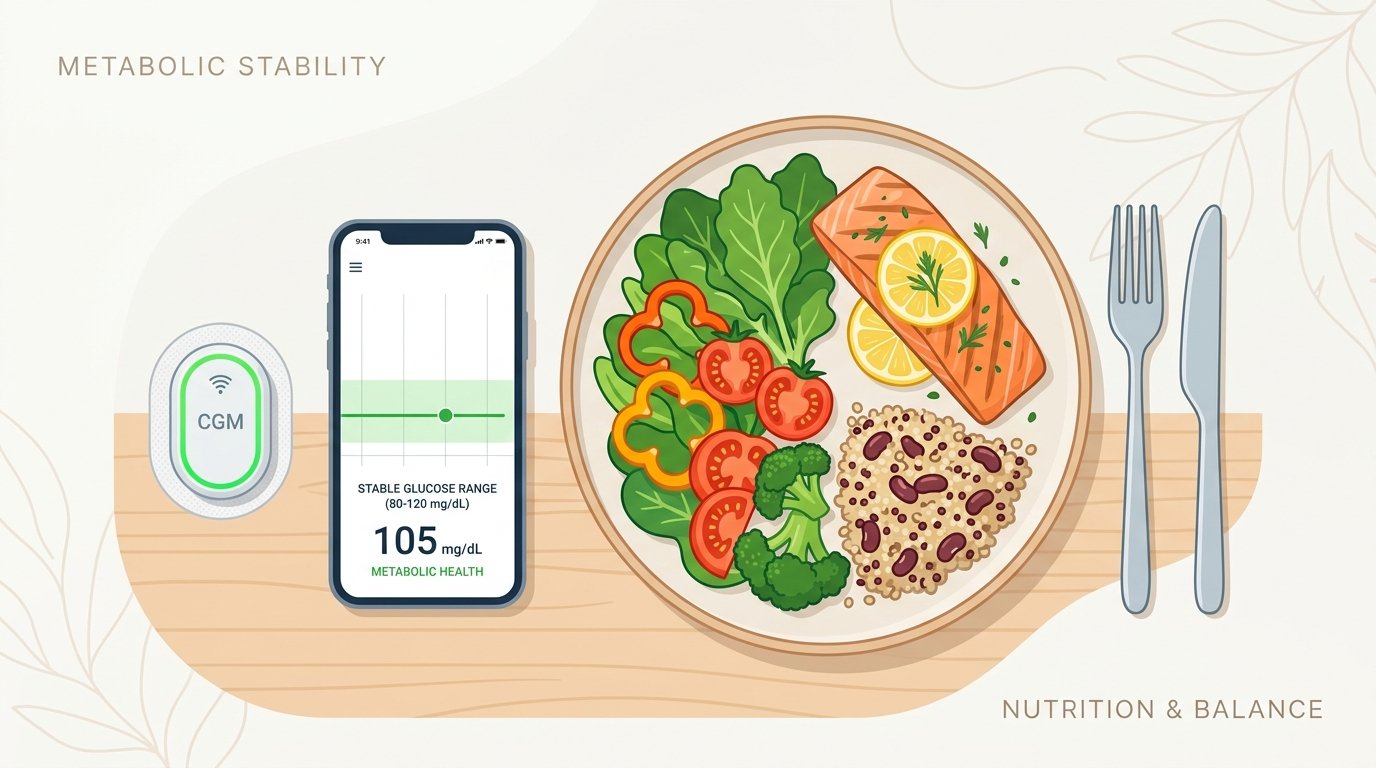
You don't have to follow a restrictive "diet" to manage your glucose during menopause. Instead, focus on "glucose-friendly" habits that work with your changing hormones rather than against them.
Prioritize Protein and Fiber
Protein is your best friend during menopause. It helps preserve muscle mass (which naturally declines with age) and slows down the absorption of sugar into the bloodstream. Aim for a high-protein breakfast to set a stable tone for the day. Pair your protein with plenty of fiber from non-starchy vegetables. Fiber acts like a "buffer" in your gut, preventing sharp glucose spikes. You can learn more about starting your day right in our post on high-protein breakfasts.
The Power of Food Order
One of the easiest ways to reduce a glucose spike without changing what you eat is changing when you eat it. Try eating your fiber first (like a side salad), followed by your protein and fats, and saving your carbohydrates for the end of the meal. This simple trick can significantly flatten your glucose curve. For a deeper dive, check out our article on food order for better blood sugar control.
Watch the "Hidden" Spikers
During menopause, your body may become more sensitive to things that previously had a negligible effect. Alcohol, caffeine, and artificial sweeteners can all impact insulin sensitivity differently than they did in your 30s. Keeping a log in a diabetes management tool can help you identify these personal triggers.
Movement and Lifestyle: Beyond the Treadmill
When it comes to menopause and glucose, not all exercise is created equal. While walking is excellent for immediate glucose clearance, your body now requires a different kind of stimulus to fight insulin resistance.
Strength Training is Essential
Muscle is the primary "sink" for glucose in your body. The more muscle mass you have, the more places your body has to store sugar without needing massive amounts of insulin. Because we lose muscle mass faster during menopause, resistance training is no longer optional—it is a metabolic necessity. Even two sessions a week of lifting weights or using resistance bands can make a massive difference in your insulin sensitivity. See our guide on resistance training for better glucose regulation for tips on getting started.
Manage Stress and Sleep
Cortisol, the stress hormone, is a direct antagonist to insulin. When you are stressed or sleep-deprived—two very common issues during menopause—your cortisol levels rise, signaling your liver to release stored sugar into the blood. This results in higher glucose levels even if you haven't eaten a single carb.
Prioritizing sleep hygiene and finding stress-relief practices like breathwork or yoga can actually lower your A1C. If you find yourself struggling with exercise timing or intensity, you might want to compare HIIT vs. steady-state cardio to see what fits your current energy levels best.
Using Technology to Navigate the Transition
Managing glucose during menopause can feel like trying to hit a moving target. This is where technology becomes an empowering partner. Using a Continuous Glucose Monitor (CGM) allows you to see in real-time how your body responds to a specific meal, a stressful meeting, or a poor night's sleep.
However, data alone can be overwhelming. This is where GlucoAI excels. By syncing your glucose data with GlucoAI, you can move past the raw numbers and get personalized insights. GlucoAI can help you identify patterns—like why your glucose is higher on days when your hot flashes are worse—and provide actionable suggestions to get back on track. Instead of guessing which foods are causing your brain fog, you can use the app to track your meals and see the direct correlation.
Summary: Key Takeaways for Glucose Stability
Managing your health during menopause is about adaptation, not perfection. By understanding the hormonal shifts at play, you can make informed choices that support your metabolic longevity.
- Understand the "Why": Decreased estrogen leads to increased insulin resistance and potential weight gain around the middle.
- Eat Strategically: Prioritize protein, increase fiber, and use the "fiber-first" food order to blunt glucose spikes.
- Build Muscle: Resistance training is the most effective way to improve your body's ability to handle glucose.
- Prioritize Rest: Manage cortisol through better sleep and stress management to prevent stress-induced sugar spikes.
- Monitor and Adjust: Use tools like a CGM and GlucoAI to understand your unique patterns and make data-driven decisions.
The transition into menopause is a significant chapter, but it doesn't have to mean losing control of your health. By staying curious and using the right tools, you can navigate this phase with confidence and maintain stable, healthy glucose levels for years to come.
Ready to take the guesswork out of your metabolic health? Start tracking your trends today and see how small changes can lead to big results. If you need a partner to help translate your glucose data into a clear plan of action, GlucoAI is here to guide you every step of the way. Let's work together to make this your healthiest decade yet!
GlucoAI — Smart Blood Sugar Monitor
Track, analyze, and optimize your glucose levels with AI-powered insights.