
- Published on
Managing the Dawn Phenomenon for Stable Morning Glucose
Managing the Dawn Phenomenon for Stable Morning Glucose
Have you ever woken up with an unexpectedly high blood sugar reading, even though you didn't eat anything after dinner? If you have, you aren't alone. Many people managing diabetes or tracking their metabolic health encounter this frustrating scenario, often feeling like they’ve lost control before the day has even begun. This common occurrence is known as the "dawn phenomenon."
The dawn phenomenon refers to a natural, early-morning increase in blood sugar (glucose) levels that typically occurs in people with diabetes. Understanding why this happens and how to manage it is a vital part of maintaining stable metabolic health and reaching your long-term goals. In this guide, we will explore what triggers this morning surge and provide practical, evidence-based strategies to help you start your day with more balanced numbers.
What Is the Dawn Phenomenon?
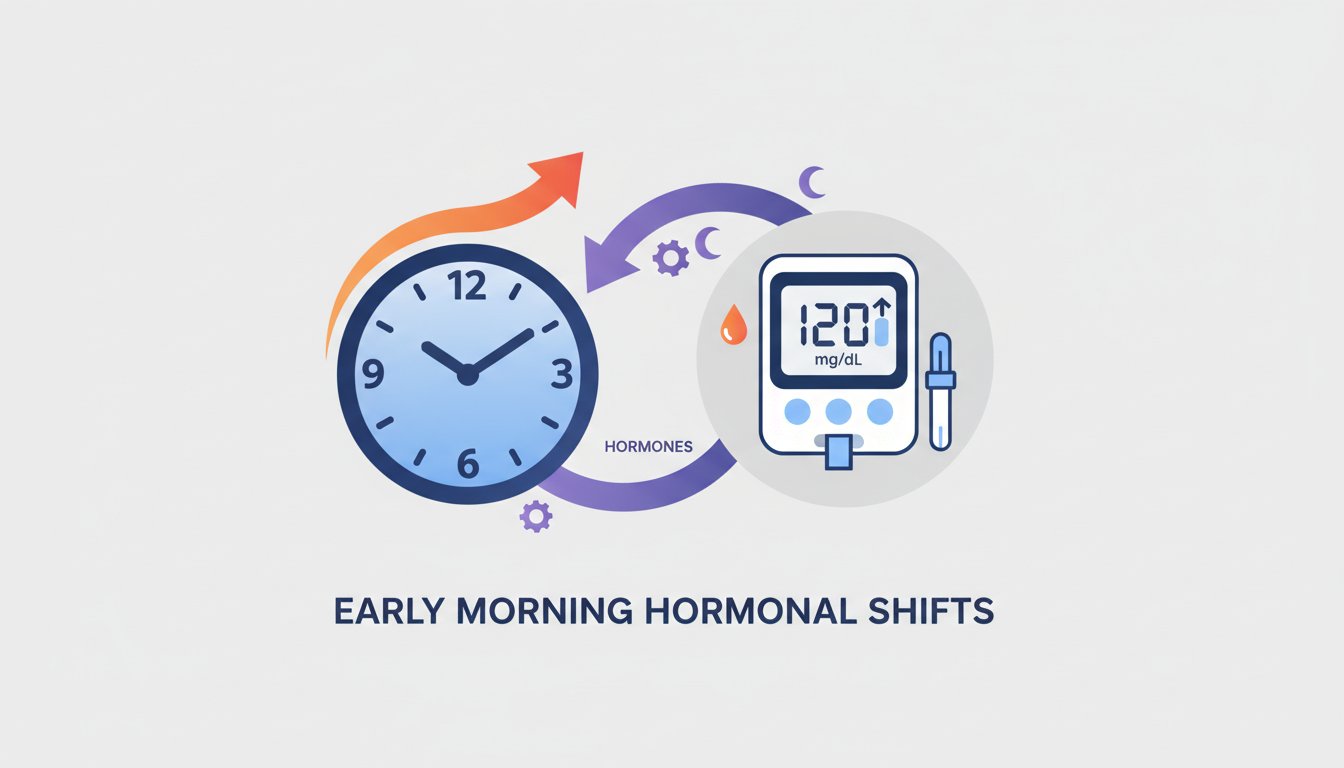
To understand why your glucose levels rise while you sleep, we have to look at how your body prepares for the day. In the early morning hours—usually between 3 a.m. and 8 a.m.—your body begins a hormonal shift. It releases a surge of counter-regulatory hormones, including cortisol, growth hormone, glucagon, and adrenaline.
These hormones signal your liver to release stored glucose into the bloodstream to provide the energy you need to wake up and get moving. For someone without diabetes, the pancreas simply releases a small amount of insulin to keep these glucose levels in check. However, if your body does not produce enough insulin, or if your cells are resistant to it, this influx of glucose can result in a high reading when you check your blood sugar upon waking.
It is important to distinguish the dawn phenomenon from the "Somogyi effect," which is a rebound spike caused by hypoglycemia (low blood sugar) during the night. The best way to tell the difference is to check your glucose levels in the middle of the night—around 2 a.m. or 3 a.m.—for a few nights. If your levels are normal or high at that time, you are likely dealing with the dawn phenomenon. If they are low, you may be experiencing the Somogyi effect, which requires a different management approach. Please consult your doctor before making any changes to your medication or insulin regimen to ensure you are identifying the cause correctly.
Why Stable Morning Glucose Matters
Starting your day with a stable glucose level sets the tone for your entire metabolic profile. When you wake up with high blood sugar, it can often lead to a "rollercoaster" effect throughout the day. High morning levels can make your body more resistant to insulin for the rest of the morning, making it harder to manage spikes after your first meal.
Consistent morning monitoring allows you to see the bigger picture of your metabolic health. By tracking these numbers, you gain data that helps you and your healthcare provider make informed adjustments to your lifestyle or treatment plan. Staying within your target range, including your fasting glucose, is essential for reducing the risk of long-term complications and improving your overall sense of well-being.
Strategies to Manage Morning Spikes
While you cannot stop your body’s natural hormonal cycle, you can influence how your body responds to it. Through consistent tracking and lifestyle adjustments, many people find they can significantly reduce the impact of the dawn phenomenon.
1. Evaluate Your Evening Meal
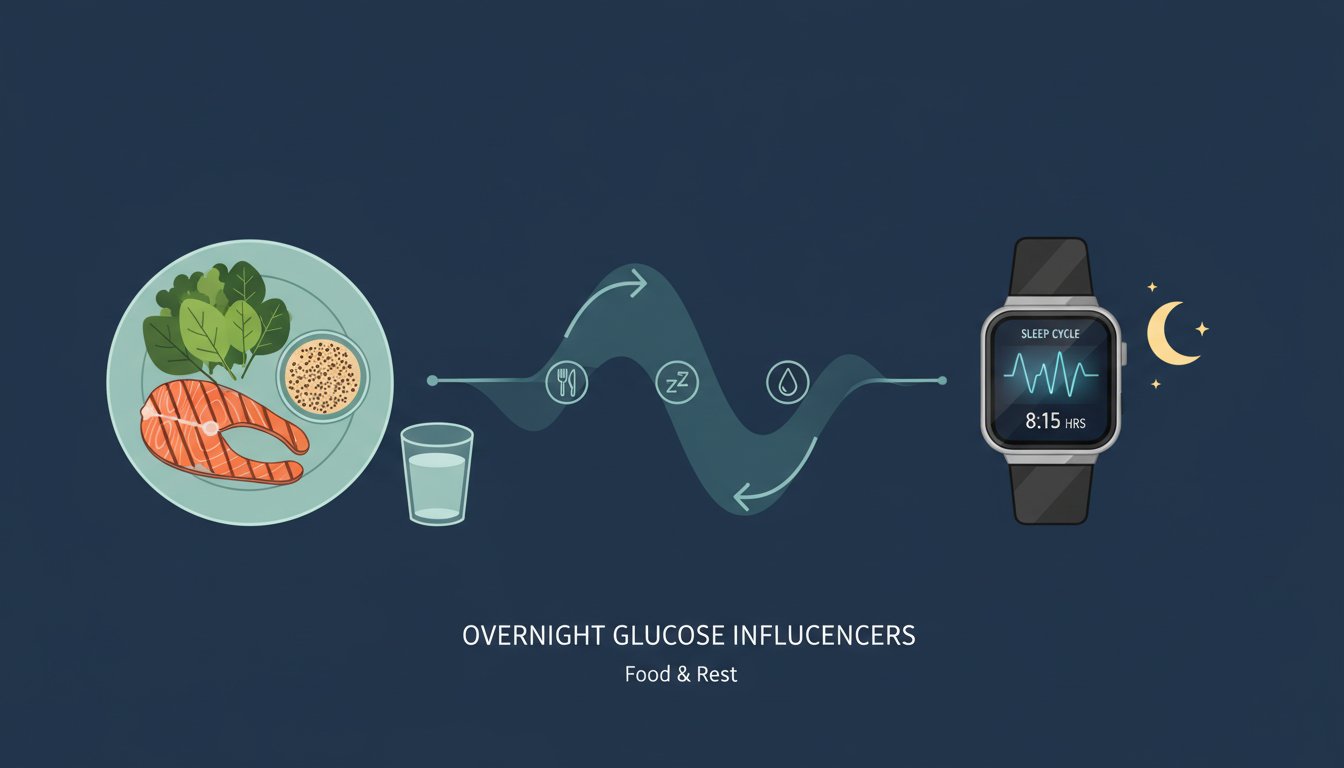
What you eat for dinner significantly impacts your morning glucose. High-carbohydrate meals, especially those with refined sugars or low-fiber grains, can lead to prolonged glucose elevation. Try incorporating more protein and healthy fats into your evening meal to slow down the absorption of glucose. This can help keep your levels more stable throughout the night.
2. Prioritize Post-Meal Movement
If you struggle with morning highs, consider taking a short walk after dinner. Physical activity increases insulin sensitivity, allowing your muscles to utilize glucose more effectively. Even a 10- to 15-minute stroll can have a positive impact on your blood sugar levels as you transition into sleep.
3. Improve Your Sleep Quality
Because the dawn phenomenon is driven by hormones like cortisol and growth hormone, sleep quality plays a massive role. Poor sleep or sleep deprivation can increase cortisol levels, which in turn signals the liver to release more glucose. Establishing a consistent sleep schedule and creating a restful environment can help regulate these stress hormones, potentially dampening the morning spike.
4. Use Data to Find Patterns
The most effective way to manage the dawn phenomenon is to gather consistent data. By logging your evening meals, activity levels, and sleep duration alongside your glucose readings, you can identify personal triggers. Using glucose tracking apps can simplify this process, allowing you to visualize trends that might not be obvious at first glance.
GlucoAI is designed to help you organize this information efficiently. By connecting your glucose data to your daily habits, you can see exactly which evening choices lead to a smoother morning. The more you know about your own body's response, the easier it becomes to make small, sustainable changes that lead to significant improvements in your A1C (average blood sugar level over 3 months) and overall stability.
Troubleshooting and When to See a Doctor
If you have tried adjusting your diet and activity levels but continue to see high morning numbers, it is time to speak with your healthcare provider. They may suggest:
- Medication Adjustments: Your doctor might adjust the timing or dosage of your current medications to better align with your body’s rhythm.
- Professional Monitoring: In some cases, your doctor may recommend using a Continuous Glucose Monitor (CGM) if you aren't already, which provides a detailed graph of your glucose levels throughout the night.
- Reviewing Hypoglycemia: If you are taking insulin, the morning high might be a reaction to a drop in glucose during the night. Never change your insulin dose without professional guidance.
Summary and Key Takeaways
The dawn phenomenon is a natural physiological process, but that doesn't mean you have to accept high morning glucose readings as your "new normal." By understanding the role of hormones and tracking how your evening habits influence your morning, you can take control of your metabolic health.
Key Takeaways:
- Identify the cause: Distinguish between the dawn phenomenon and nighttime hypoglycemia by checking your glucose at 3 a.m. a few times.
- Optimize dinner: Focus on protein, healthy fats, and fiber to prevent overnight spikes.
- Move after dinner: A light walk can improve insulin sensitivity and help your body manage blood sugar through the night.
- Prioritize rest: Good sleep hygiene helps regulate the hormones that trigger the morning glucose release.
- Track consistently: Use a tool like GlucoAI to spot patterns between your daily choices and your morning results.
Management is a journey of small, consistent steps. By paying attention to the data and making adjustments that work for your lifestyle, you can minimize morning spikes and start your day feeling balanced and empowered. If you are ready to take a deeper look at your trends, start logging your meals and glucose readings today to build a clearer picture of your health.
Disclaimer: This blog post is for educational purposes only and does not constitute medical advice. Please consult your doctor or a qualified healthcare professional before making any changes to your diet, exercise, or medical treatment.
GlucoAI — Smart Blood Sugar Monitor
Track, analyze, and optimize your glucose levels with AI-powered insights.