
- Published on
Chronic Dehydration and Blood Glucose: A Metabolic Guide
Have you ever noticed your blood sugar readings creeping higher on days when you feel sluggish, have a dry mouth, or simply haven’t reached for your water bottle enough? It might not be a coincidence. While we often focus on carbohydrates, stress, and exercise, hydration is a silent, foundational pillar of metabolic health that is frequently overlooked.
When you are chronically dehydrated, your body faces a unique metabolic challenge. Understanding the connection between your fluid intake and your glucose levels is not just about quenching thirst—it is a practical strategy for achieving better stability in your daily numbers. In this guide, we will explore why fluid balance matters for your blood glucose and how you can optimize your hydration to support your metabolic journey.
The Science of Fluid Balance and Glucose Concentration
To understand why dehydration impacts your blood sugar, think of your blood as a transport system. When you are adequately hydrated, the volume of water in your bloodstream is sufficient to keep your blood glucose levels diluted to a healthy range. However, when you don't drink enough water, the total volume of blood decreases, but the amount of glucose circulating within it remains the same.
This leads to a higher concentration of glucose in the blood. For someone monitoring their levels with a glucose meter or a Continuous Glucose Monitor (CGM), this can result in higher-than-expected readings. It is not necessarily that you have "more" sugar in your body, but rather that the sugar is less diluted.
The Vasopressin Connection
Beyond simple concentration, your body has a hormonal response to dehydration. When you are low on water, your brain signals the release of a hormone called vasopressin (also known as antidiuretic hormone). Research suggests that elevated levels of vasopressin can stimulate the liver to release stored glucose into the bloodstream. This is a survival mechanism designed to provide energy during times of stress, but in the context of modern life, it can lead to unnecessary, unexplained spikes in your glucose readings.

Recognizing the Vicious Cycle
Chronic dehydration and elevated blood glucose often form a self-perpetuating cycle. When your blood sugar levels are high, your kidneys work overtime to filter and remove the excess sugar. Because your body needs water to flush this glucose out through your urine, you may find yourself urinating more frequently.
If you don’t replenish that lost fluid, you become even more dehydrated. This, in turn, makes your blood more concentrated, potentially leading to even higher glucose readings. Recognizing this pattern is the first step in breaking the cycle. If you find yourself in a loop of high numbers and frequent thirst, your body is likely giving you a clear signal that it needs more hydration.
How Dehydration Affects Insulin Sensitivity
Beyond the immediate concentration effect, long-term or chronic dehydration may influence how your cells respond to insulin. Insulin is the "key" that allows glucose to enter your cells for energy. Some studies suggest that the physiological stress caused by chronic dehydration can impair this process, contributing to a slight decrease in insulin sensitivity.
When your cells are less sensitive to insulin, your body has to work harder to maintain stable glucose levels. By staying well-hydrated, you provide your cells with the optimal environment to function, which can help your body use insulin more effectively. Think of hydration as the "lubricant" for your metabolic machinery; when everything is well-oiled, the entire system runs more smoothly.
Practical Strategies for Optimal Hydration
Staying hydrated doesn't have to be a chore. It is about building sustainable, consistent habits that integrate into your daily routine. Here are a few actionable ways to ensure you are meeting your fluid needs:
1. Monitor Your Body’s Signals
Don't wait until you are parched. A dry mouth is often a late sign of dehydration. Pay attention to the color of your urine—a pale yellow is generally a good indicator of proper hydration. If you are using a CGM, look for correlations between your "dry" days and your glucose patterns.
2. Space Out Your Intake
Drinking a liter of water all at once is less effective than sipping throughout the day. By spreading your fluid intake across the morning, afternoon, and evening, you keep your blood volume stable and prevent the spikes in vasopressin that can occur during periods of low fluid availability.
3. Choose the Right Fluids
Water is the gold standard for hydration. However, if you find plain water unappealing, try infusing it with cucumber, lemon, or a few mint leaves. Be mindful of drinks that can have a diuretic effect, such as excessive caffeine, which may increase fluid loss.
Tracking Your Progress with GlucoAI
One of the most effective ways to see how hydration impacts your personal glucose profile is to track your intake alongside your numbers. Using digital diabetes management tools allows you to observe these patterns over time.
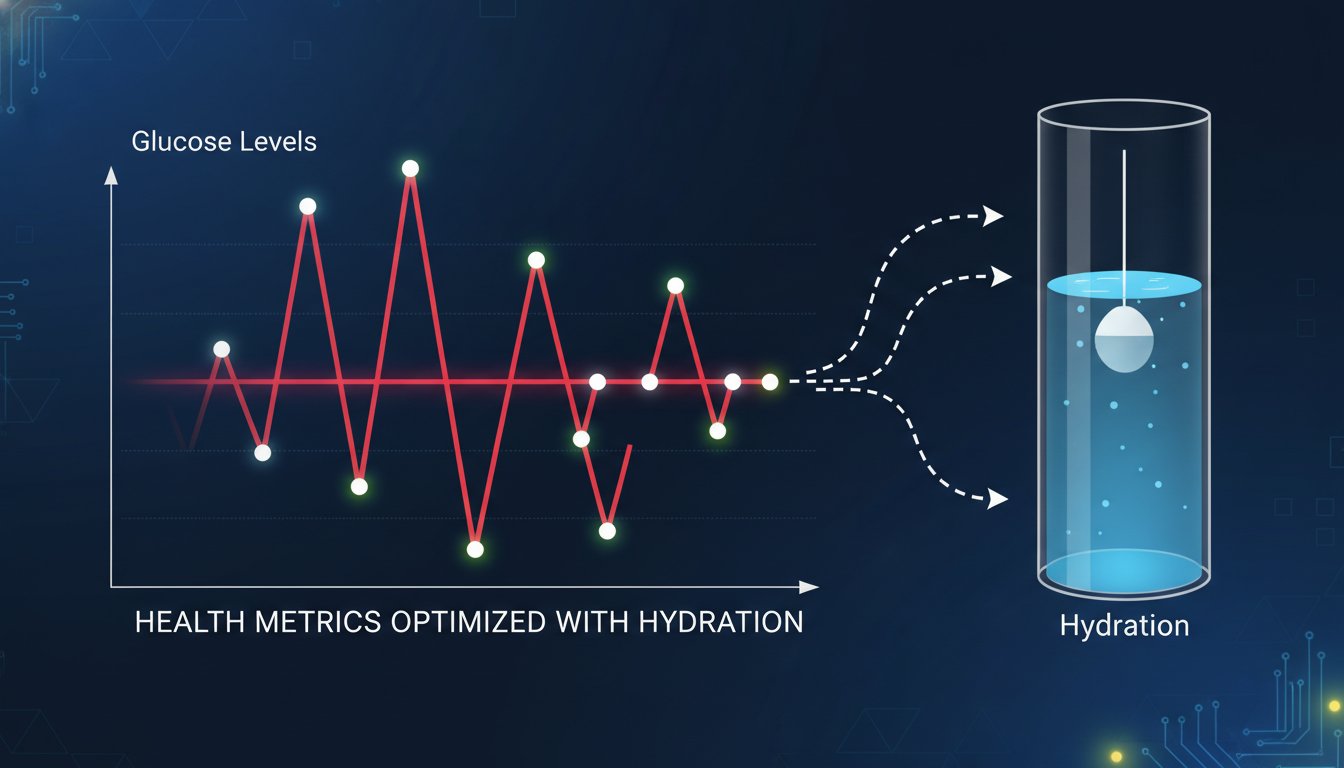
For instance, you might notice that on days when you drink at least 2 liters of water, your "Time in Range" (the percentage of time your glucose levels remain within your target range) is significantly higher. GlucoAI is designed to help you capture these lifestyle variables, making it easier to identify the specific habits that lead to your best results. By logging your water intake alongside your glucose data, you can turn abstract medical advice into personalized, data-driven insights.
When to Consult Your Doctor
While hydration is a critical factor in metabolic health, please consult your doctor if you are experiencing persistent, unquenchable thirst (polydipsia) or frequent urination. These can be symptoms of underlying metabolic conditions that require clinical attention. Your healthcare provider can help determine if your hydration needs are being met and ensure that your blood glucose management plan is appropriate for your specific health goals.
Conclusion
Chronic dehydration is more than just a feeling of thirst—it is a physiological state that can directly influence your blood glucose concentration and insulin sensitivity. By understanding the link between fluid balance and your metabolic health, you can take a simple, proactive step toward more stable readings.
Key takeaways for your journey:
- Hydration matters: Dehydration can cause your blood to become more concentrated, leading to higher glucose readings.
- Break the cycle: High blood sugar can lead to dehydration, so focus on consistent fluid intake to keep your kidneys and cells functioning optimally.
- Use your data: Track your water intake alongside your glucose levels to see how hydration personally affects your metabolic stability.
Small, daily habits are the building blocks of long-term health. Start by increasing your water intake today and observe how your body responds. If you are looking for a way to better connect your lifestyle habits to your glucose data, consider using GlucoAI to log your progress and gain deeper insights into your metabolic health. Consistency is your greatest ally—stay hydrated, stay informed, and keep moving toward your goals.
GlucoAI — Smart Blood Sugar Monitor
Track, analyze, and optimize your glucose levels with AI-powered insights.