
- Published on
Managing Stress-Induced Glucose Spikes: Expert Tips
Have you ever noticed your blood sugar levels creeping up even when you haven’t changed your diet? It can be incredibly frustrating to see a high reading on your monitor when you’ve been diligent about your meals and medication. While we often focus on carbohydrates and exercise, there is a hidden factor that plays a massive role in our metabolic health: stress.
When you are stressed, your body doesn't distinguish between a looming work deadline and a physical threat. It prepares for "fight or flight" by releasing hormones like cortisol and adrenaline. These hormones signal your liver to dump stored glucose into your bloodstream to provide quick energy. For someone managing diabetes or prediabetes, this extra glucose can lead to unexpected spikes that are difficult to bring back down. Understanding this connection is the first step toward reclaiming your stability.
The biology of stress and blood glucose
To understand why stress impacts your numbers, we have to look at the endocrine system. When you experience stress, your body enters a state of high alert. Cortisol, often called the "stress hormone," increases insulin resistance, making it harder for your cells to absorb glucose from your blood. Simultaneously, it triggers the production of glucose from the liver.
In a healthy metabolic state, your body would use this glucose for immediate physical action. However, in our modern world, we often sit at desks or in traffic while experiencing this stress. The result? That extra energy remains in your bloodstream, leading to elevated blood glucose levels. If you are noticing these patterns, tracking your stress alongside your glucose using a tool like GlucoAI can help you identify specific triggers and see how your body responds to different types of pressure.
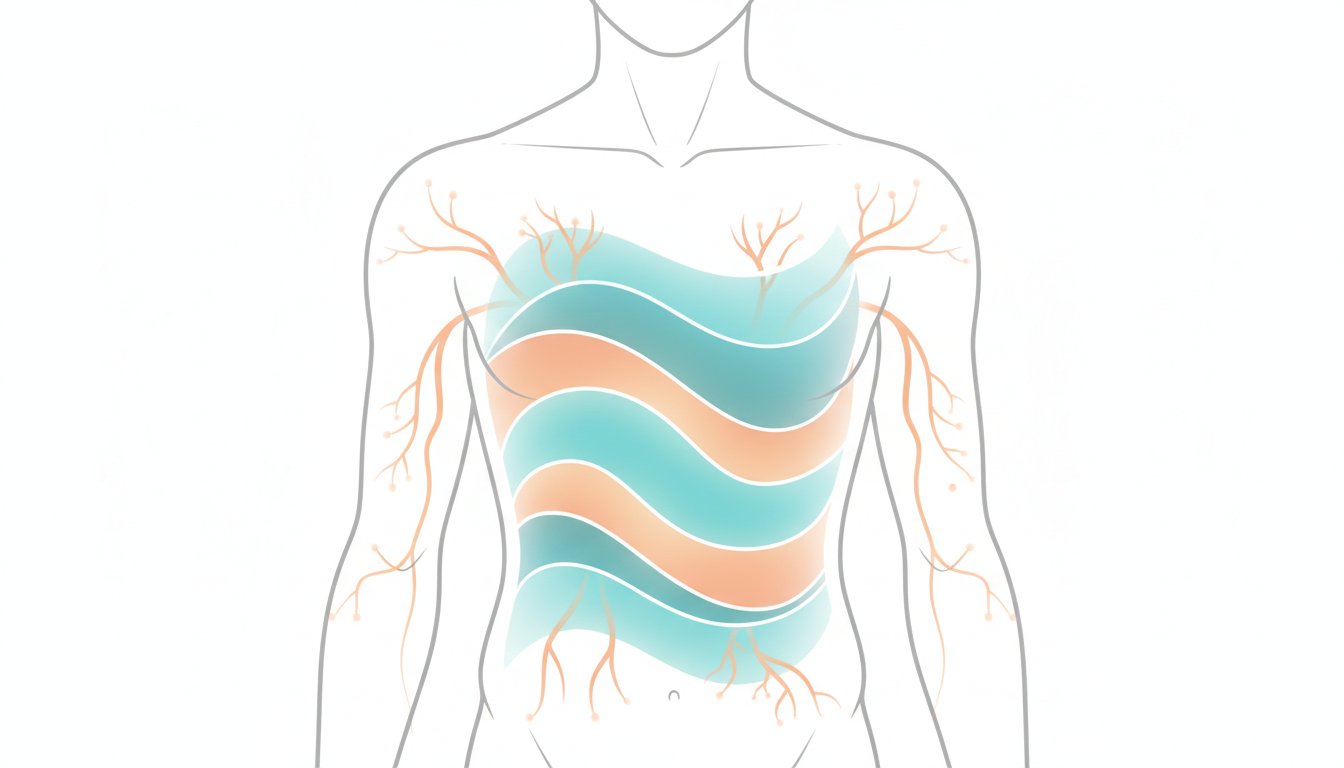
Mindfulness as a metabolic tool
Mindfulness is more than just a trend; it is a scientifically backed method to quiet the nervous system. By shifting your body from a "fight or flight" (sympathetic) state to a "rest and digest" (parasympathetic) state, you can effectively lower cortisol levels and dampen the glucose response.
You don't need to be a meditation expert to see results. The goal is to interrupt the stress cycle before it forces your liver to release that extra glucose. Here are a few practical techniques you can integrate into your day:
1. The 4-7-8 breathing technique
This rhythmic breathing exercise acts as a natural tranquilizer for the nervous system.
- Inhale quietly through your nose for a count of 4.
- Hold your breath for a count of 7.
- Exhale forcefully through your mouth, making a "whoosh" sound, for a count of 8.
- Repeat this cycle 4 times.
This simple practice helps signal to your brain that you are safe, which can help prevent the unnecessary release of stress-related hormones.
2. Progressive muscle relaxation
When we are stressed, we often hold tension in our shoulders, jaw, and neck without realizing it. This physical tension keeps the body in a state of high alert.
- Start at your toes and tense the muscles for 5 seconds, then release for 10 seconds.
- Move up through your calves, thighs, stomach, arms, and face.
- By consciously releasing this tension, you reduce the physical symptoms of stress, which can lead to more stable glucose readings.
Building a routine for stability
It is important to remember that consistency is key. Just as you monitor your A1C (the average blood sugar level over 3 months) to see long-term progress, you should view your stress management as a long-term habit.
Many people find that using glucose tracking apps helps them correlate their emotional state with their readings. If you notice that your glucose is consistently high at 3:00 PM every Tuesday, it might coincide with a weekly department meeting. Once you identify that link, you can plan to practice your breathing exercises ten minutes before that meeting begins.

Practical tips for your daily schedule
- Morning check-in: Take two minutes upon waking to set an intention for the day. High morning stress can exacerbate the dawn phenomenon, leading to higher fasting glucose levels.
- The transition ritual: If you work from home, create a "commute" ritual. When you finish your workday, take a five-minute walk or practice deep breathing before moving into your home life. This helps separate work stress from your evening routine.
- Digital boundaries: Constant notifications keep our nervous systems in a state of hyper-arousal. Set times during the day when you turn off non-essential notifications to give your mind—and your metabolism—a break.
When to seek extra support
While these techniques are highly effective, they are not a replacement for medical advice. If you find that your stress levels are consistently impacting your ability to manage your blood glucose, please consult your doctor. They may suggest adjustments to your medication or refer you to a therapist who specializes in the psychological aspects of living with a chronic condition.
Managing blood sugar is a complex process, and it is perfectly okay to ask for help. Remember that you are doing the best you can with the information you have. By combining physical monitoring with mental health strategies, you are creating a more comprehensive approach to your well-being.
Summary and key takeaways
Stress-induced glucose spikes are a very real, physiological response to our environment. By understanding how cortisol influences your insulin sensitivity, you can take proactive steps to mitigate these effects.
- Understand the connection: Stress causes a release of glucose; recognizing this helps you stop blaming yourself for "bad numbers" and start managing the root cause.
- Use your breath: Techniques like 4-7-8 breathing can physically shift your nervous system into a relaxed state.
- Track your patterns: Use tools like GlucoAI to correlate your high-stress moments with your glucose spikes so you can anticipate and manage them better.
- Be patient: Stress management is a practice, not a one-time fix. Small, daily efforts lead to better long-term outcomes.
Start by choosing one mindfulness technique to try this week. Whether it is a five-minute walk or a deep-breathing session before a stressful meeting, your body will thank you. If you are looking for a way to better visualize the impact of these lifestyle changes, consider how a consistent logging habit can provide the data you need to make informed decisions. Small, intentional habits are the foundation of long-term metabolic health.
GlucoAI — Smart Blood Sugar Monitor
Track, analyze, and optimize your glucose levels with AI-powered insights.