
- Published on
Healthy Fats for Better Post-Meal Glucose Control
Have you ever noticed how a piece of white toast can leave you feeling shaky and hungry just an hour later, while a slice of toast topped with a thick layer of avocado keeps you energized all morning? That difference isn't just in your head; it’s a fundamental principle of metabolic health. If you are living with diabetes or simply trying to optimize your energy levels, understanding the relationship between what you eat and how your blood sugar responds is life-changing.
Most of us have been taught to focus solely on carbohydrates when managing blood sugar. While it is true that carbs have the most direct impact on glucose, they don't work alone. In the world of nutrition, "naked carbs"—carbohydrates eaten by themselves—are the primary culprits behind sharp glucose spikes. However, by strategically adding healthy fats to your meals, you can transform a potential blood sugar roller coaster into a smooth, stable ride.
The Science: How Fat Tames the Glucose Spike
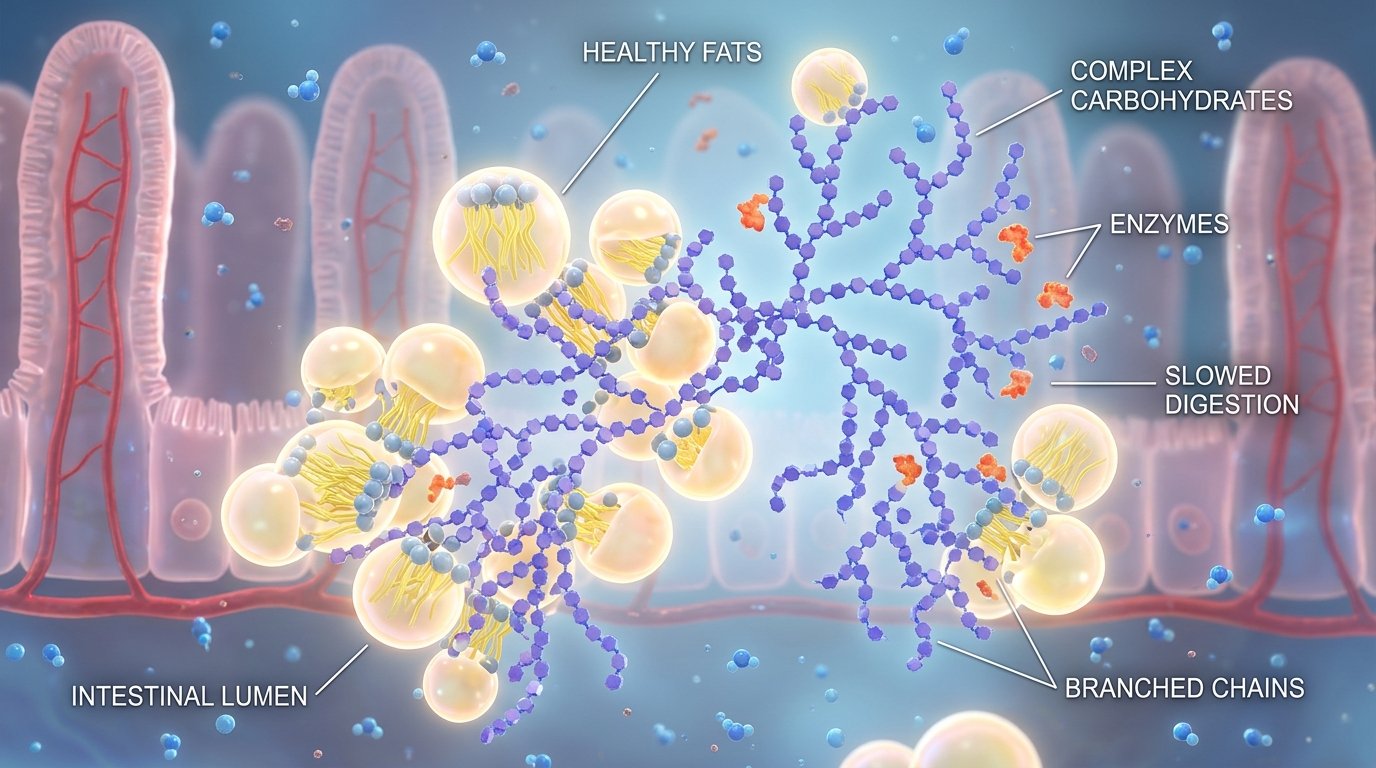
To understand why fats are so effective, we have to look at how our digestive system works. When you eat a carbohydrate, your body breaks it down into glucose (sugar), which enters your bloodstream to be used for energy. If that carbohydrate is simple (like white bread or juice) and eaten alone, the digestion process happens very quickly. This leads to a rapid surge in blood sugar, followed by a surge in insulin to move that sugar into your cells.
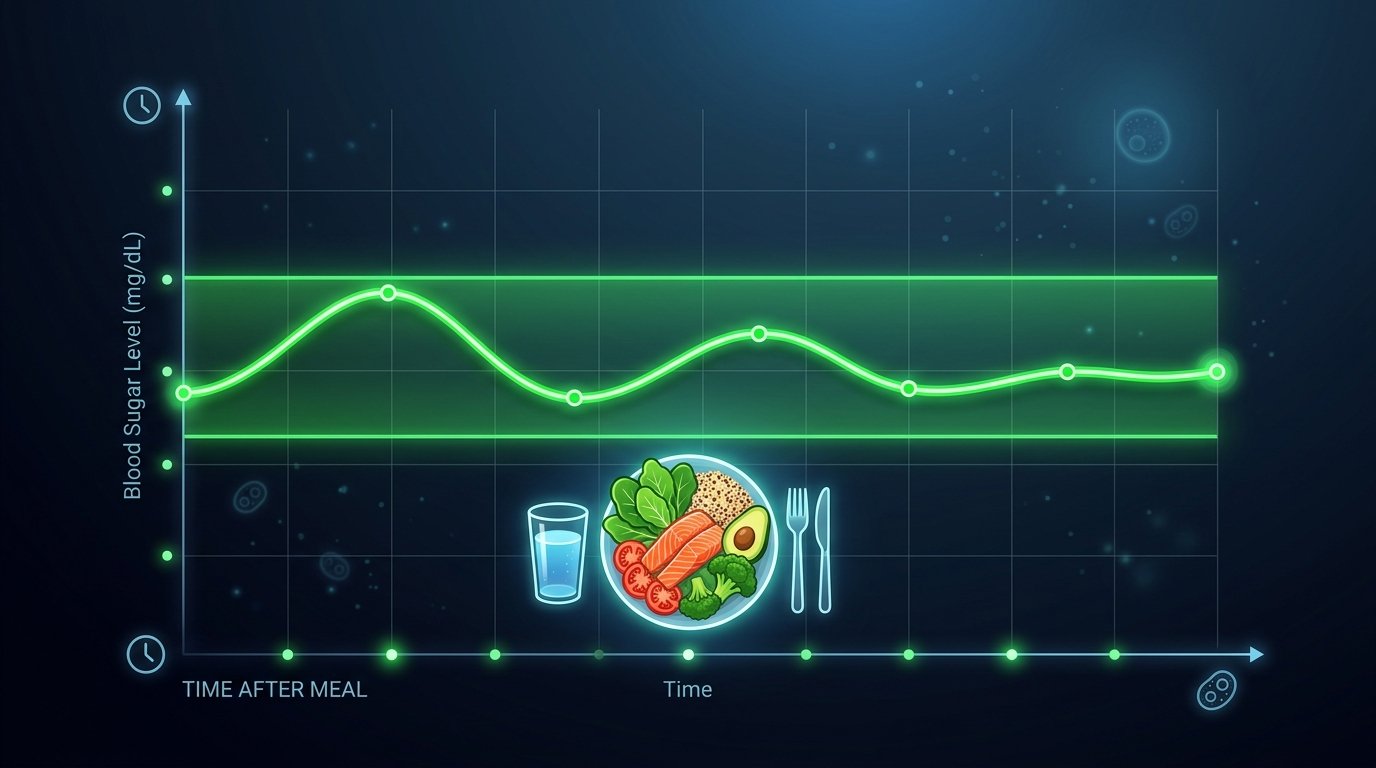
This is where fat comes in as a "buffer." Fat is the slowest macronutrient to digest. When you include a source of healthy fat in a meal, it slows down a process called gastric emptying—the speed at which food leaves your stomach and enters the small intestine. Because the food moves more slowly, the carbohydrates are broken down and absorbed into the bloodstream at a much more gradual pace. Instead of a sharp peak, you get a gentle curve.
Furthermore, healthy fats can improve insulin sensitivity. Insulin is the hormone that acts like a key, letting glucose into your cells. When your cells are sensitive to insulin, your body doesn't have to produce as much of it to get the job done. By reducing the "workload" on your pancreas and smoothing out those post-meal peaks, you're protecting your metabolic health for the long term.
Choosing the Right Fats: Quality Over Quantity
Not all fats are created equal. While the goal is to slow down digestion, we also want to choose fats that reduce inflammation and support heart health—two critical factors for anyone managing diabetes or prediabetes.
Monounsaturated Fats (MUFAs)
These are often considered the "gold standard" for metabolic health. Found in abundance in Mediterranean diets, monounsaturated fats are liquid at room temperature but start to harden when chilled. They are famous for lowering "bad" LDL cholesterol and improving the function of the lining of your blood vessels.
- Top Sources: Extra virgin olive oil, avocados, almonds, and hazelnuts.
Polyunsaturated Fats (PUFAs)
This category includes the essential Omega-3 and Omega-6 fatty acids. Omega-3s, in particular, are highly anti-inflammatory. Research suggests that chronic inflammation is a major driver of insulin resistance, so including these fats can help your body process glucose more efficiently over time.
- Top Sources: Walnuts, flaxseeds, chia seeds, and fatty fish like salmon or mackerel.
Saturated Fats
While the conversation around saturated fat is evolving, medical consensus generally suggests consuming them in moderation, especially if you have an increased risk of heart disease. When choosing saturated fats, aim for whole-food sources rather than processed meats.
- Sources: Grass-fed butter, coconut oil, and full-fat yogurt.
Strategic Pairing: How to Build Your Plate
Learning to use fat strategically is a skill that gets easier with practice. The goal isn't to add fat to everything, but to ensure that whenever you eat carbohydrates, they have a "bodyguard" of fat and fiber. Here are some simple ways to apply this "pairing" strategy in your daily life:
- The Fruit Fix: Instead of eating an apple by itself, pair it with a tablespoon of almond butter or a handful of walnuts. The fats in the nuts will slow down the absorption of the fructose (fruit sugar).
- The Salad Upgrade: A fat-free dressing might seem like a "diet" choice, but it actually causes your blood sugar to spike faster if the salad contains carrots, beets, or croutons. Use a dressing made with extra virgin olive oil to keep your glucose stable and help you absorb fat-soluble vitamins like A, D, E, and K.
- The Grain Buffer: If you’re having a serving of brown rice or quinoa, stir in some sliced avocado or drizzle it with a little sesame oil.
- The Morning Routine: If you enjoy oatmeal, avoid the instant sugary packets. Choose steel-cut oats and stir in chia seeds or ground flaxseeds. These provide both healthy fats and fiber—a dual-action defense against morning glucose spikes.
Top 5 Healthy Fats for Glucose Stability
If you're looking to stock your kitchen for better blood sugar control, these five foods should be at the top of your list:
1. Avocados
Avocados are unique because they are one of the few fruits high in healthy fats and fiber while being very low in sugar. A single avocado provides about 10 grams of fiber and a wealth of monounsaturated fats. Studies have shown that replacing some carbohydrates in a meal with avocado can significantly reduce the insulin and glucose response.
2. Extra Virgin Olive Oil (EVOO)
EVOO is a staple of the Mediterranean diet for a reason. It contains a compound called oleocanthal, which has powerful anti-inflammatory effects similar to ibuprofen. Drizzling EVOO over cooked vegetables or using it as a base for sauces is one of the easiest ways to improve your post-meal glucose profile.
3. Walnuts
Among all nuts, walnuts are the champions of Omega-3 fatty acids. They provide a satisfying crunch and have been shown to improve the health of the endothelium (the inner lining of your blood vessels), which is often under stress when blood sugar levels are high.
4. Chia Seeds
Don't let their size fool you. Chia seeds are packed with Omega-3s and a special kind of soluble fiber that turns into a gel-like substance in your stomach. This "gel" creates a physical barrier that further slows down the breakdown of carbohydrates.
5. Fatty Fish
Salmon, sardines, and mackerel provide high-quality protein along with their healthy fats. Protein also plays a role in slowing digestion, making fatty fish a powerhouse for glucose management.
Practical Tips and Common Pitfalls
While healthy fats are a powerful tool, there are a few things to keep in mind to get the best results:
- Mind the Calories: Fats are calorie-dense (9 calories per gram compared to 4 calories for carbs and protein). While they are excellent for blood sugar, eating them in excess can lead to weight gain, which can eventually impact insulin sensitivity. Focus on "swapping" bad fats or excess carbs for healthy fats rather than just adding them on top of an already heavy meal.
- Watch for "Hidden" Sugars: Many store-bought "healthy fat" sources, like peanut butter or salad dressings, have added sugars. Always read the labels. Look for peanut butter that contains only "peanuts and salt."
- The Order Matters: Some research suggests that eating your fat and protein before your carbohydrates in a meal can lead to even better glucose outcomes. For example, eat your salmon and asparagus before you touch the small side of potatoes.
- Consult Your Doctor: If you are on insulin or other glucose-lowering medications, changing your macronutrient ratios can affect your requirements. Always talk to your healthcare provider before making significant changes to your diet.
Using Technology to See the Difference
One of the most empowering parts of modern diabetes management is the ability to see exactly how these changes affect your body in real-time. Using a Continuous Glucose Monitor (CGM) or tracking your meals in a glucose tracking app like GlucoAI can provide immediate feedback.
For instance, you might try eating a bowl of pasta one day and tracking your peak. A few days later, try the same amount of pasta but add a large serving of sautéed spinach in olive oil and some grilled chicken. When you compare the two graphs in GlucoAI, the visual difference in the "spike" can be a powerful motivator to keep choosing healthy fat pairings.
Summary: Key Takeaways
Managing your blood sugar doesn't have to be about deprivation. By understanding the "why" and "how" of healthy fats, you can enjoy a wider variety of foods while keeping your glucose levels in a healthy range.
- Slow it down: Healthy fats slow gastric emptying, which prevents carbohydrates from hitting your bloodstream all at once.
- Avoid "Naked Carbs": Always pair your fruits, grains, and starchy vegetables with a source of fat or protein.
- Focus on MUFAs and Omega-3s: Prioritize avocados, olive oil, nuts, seeds, and fatty fish for the best metabolic and heart-health benefits.
- Quality and Portions: Choose whole-food sources of fat and be mindful of total caloric intake.
- Track your progress: Use tools like GlucoAI to see how different fat-carb pairings work for your unique body.
By making these small, strategic adjustments to your plate, you aren't just managing a number on a meter—you’re fueling your body for long-term vitality and stability. Start with one meal today: add a few slices of avocado to your lunch or a drizzle of olive oil to your dinner, and feel the difference that stable blood sugar makes.
Ready to see how healthy fats change your glucose curves? Start logging your meals with GlucoAI today. By tracking your food pairings alongside your glucose data, you'll discover exactly which healthy fats work best for your body, helping you achieve your A1C (average blood sugar level over 3 months) goals with confidence.
GlucoAI — Smart Blood Sugar Monitor
Track, analyze, and optimize your glucose levels with AI-powered insights.