
- Published on
Food Order for Better Blood Sugar Control
Food Order for Better Blood Sugar Control
Have you ever noticed how a simple change in your meal routine can significantly impact how you feel afterward? You might be meticulously counting carbohydrates or checking your glucose levels, but there is one often-overlooked factor that can make a world of difference: the order in which you eat your food.
It sounds simple, almost too simple to be true: eating your vegetables first, followed by protein and fats, and leaving carbohydrates for last. However, this practice is supported by growing research in metabolic health. By changing your food sequence, you can effectively "cushion" the impact of glucose-spiking foods, leading to more stable energy levels throughout the day. Let’s explore how this strategy works and how you can start implementing it at your next meal.
The Science of Food Sequencing and Glucose Spikes
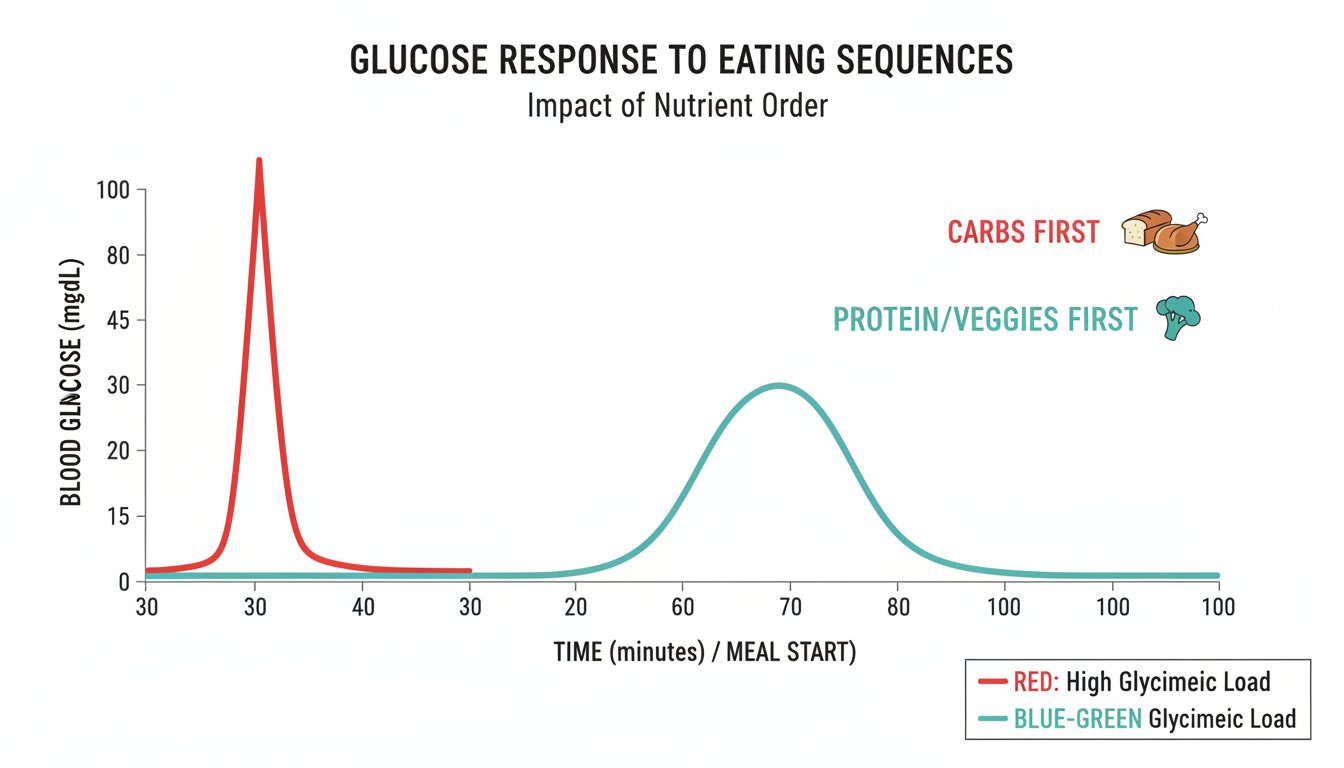
When you eat, your body breaks down carbohydrates into glucose, which enters your bloodstream. If you consume a high-carb meal on an empty stomach—like starting your lunch with a bowl of pasta or a slice of bread—your blood sugar rises rapidly. This leads to a sharp spike followed by a quick drop, which often leaves you feeling tired, irritable, or hungry again shortly after.
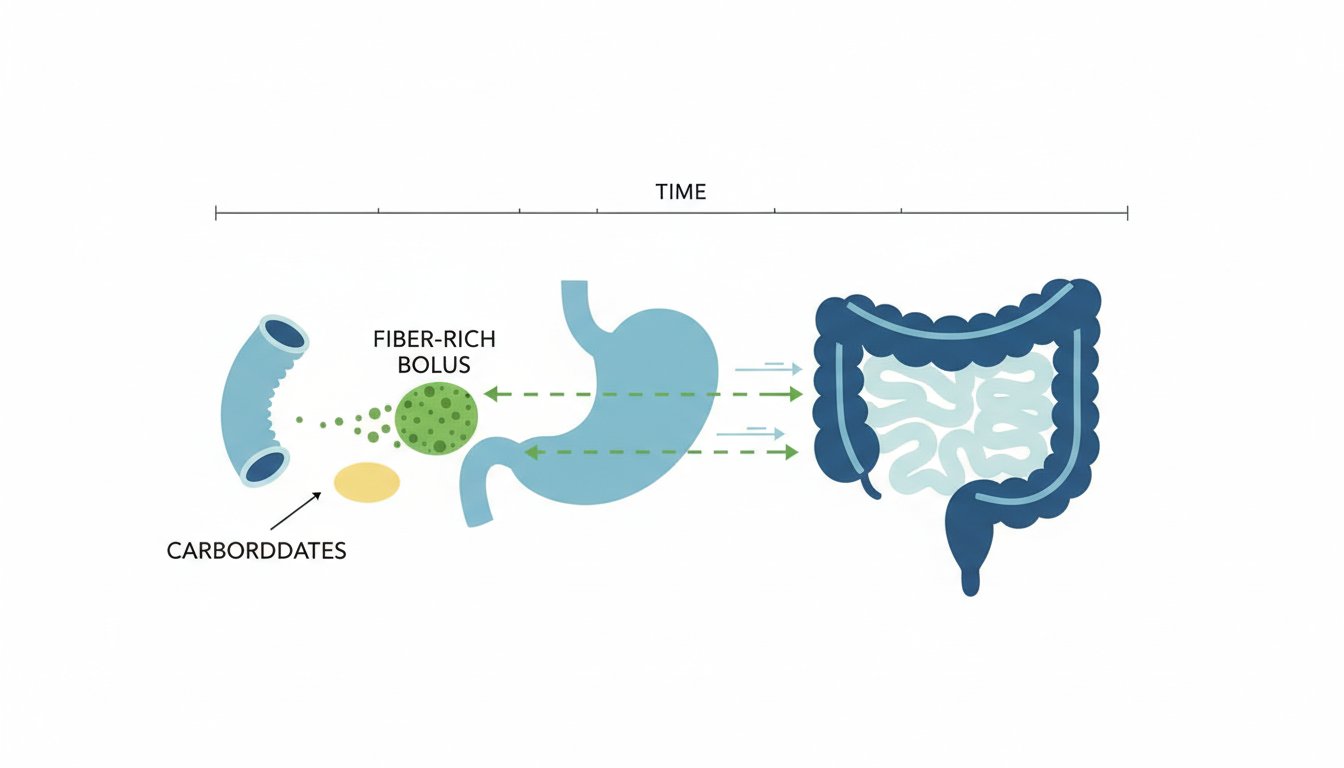
The concept of food sequencing is about slowing down the rate at which glucose enters your bloodstream. When you begin your meal with fiber-rich vegetables, you create a "mesh" in your digestive tract. This fiber slows down the gastric emptying process—the speed at which food leaves your stomach and enters your small intestine. When you follow those veggies with proteins and fats, you further signal your body to slow down digestion. By the time you reach the carbohydrates, the glucose absorption is significantly muted, leading to a much gentler curve on your continuous glucose monitor (CGM).
Why Starting with Vegetables Matters
Vegetables are the foundation of this strategy. They are rich in fiber, which is the primary player in managing glycemic responses. Fiber is not digested or absorbed by the body, so it doesn't cause a spike itself. Instead, it acts as a physical barrier.
1. Building the Fiber Foundation
Starting with a side salad or steamed broccoli provides the bulk needed to slow down the absorption of subsequent foods. Think of it as preparing your digestive system for the more energy-dense foods to follow.
2. Enhancing Satiety
Fiber also helps you feel full faster. By eating your vegetables first, you are naturally more likely to be satisfied with a smaller portion of the higher-carb items later in the meal, which can be a game-changer for weight management and long-term A1C control.
3. The Power of Polyphenols
Many green vegetables also contain antioxidants and polyphenols that can improve insulin sensitivity. By consuming them first, you are prioritizing nutrient-dense foods when your appetite is at its peak.
The Optimal Eating Order
If you are looking to stabilize your blood sugar, try following this three-step sequence for your next meal:
- Fiber First: Start with non-starchy vegetables (leafy greens, asparagus, broccoli, peppers, or zucchini).
- Protein and Fat Second: Move on to your chicken, fish, tofu, eggs, or healthy fats like avocado or nuts. Protein and healthy fats take longer to digest and further buffer the impact of sugar.
- Carbohydrates Last: Finally, enjoy your grains, starches, or fruits. Because they are the last to arrive in the stomach, their glycemic impact is softened by the fiber and protein already present.
Practical Tips for Your Daily Routine
It is one thing to know the strategy, but it is another to apply it when you are dining out or busy at home. Here are a few ways to make this a sustainable habit:
- The "Side Salad" Rule: Whenever you order a meal at a restaurant, ask for a salad or steamed vegetables to be served as an appetizer. If they bring bread to the table, move it aside until your greens have arrived.
- The One-Pot Strategy: If you are cooking a stew or a stir-fry, prioritize the ratio of vegetables to grains. Even if you eat them mixed together, having a high proportion of fiber-rich veggies helps reduce the overall glycemic load of the bowl.
- Use Technology to Observe: Everyone’s metabolic response is unique. Using a tool like GlucoAI to log your meals and track your glucose trends can help you see exactly how food sequencing affects your specific numbers. Seeing the data in real-time is often the best motivation to keep up with these habits.
Troubleshooting Common Challenges
"What if I’m eating a sandwich or a burger?"
It can be difficult to separate components of a pre-assembled meal. In these cases, try to eat the "side" portion of the meal first. If you are having a burger, eat a side salad or a few stalks of celery before diving into the bun.
"Is this effective for everyone?"
While food sequencing is generally highly effective for managing post-meal glucose, individual responses vary. If you are currently managing insulin or other medications, please consult your doctor before making significant changes to your dietary habits.
Results You Can Expect
By adopting this simple habit, you may notice that you feel less "brain fog" after lunch. You might also find that your energy remains steady throughout the afternoon, rather than crashing at 3:00 PM. Over time, consistent food sequencing contributes to lower average blood sugar levels, which is a significant win for your long-term health. If you are interested in seeing how these lifestyle changes impact your health journey, utilizing data-driven insights through GlucoAI can provide the clarity you need to stay on track.
Conclusion and Key Takeaways
Managing your blood sugar doesn't always require strict restriction; sometimes, it’s all about the order of operations. By prioritizing fiber-rich vegetables, following up with proteins and fats, and saving carbohydrates for the end of your meal, you can significantly flatten your glucose spikes.
Key takeaways for your journey:
- Fiber acts as a buffer: Always start your meal with non-starchy vegetables to slow down digestion.
- Sequence matters: The order of fiber -> protein/fat -> carbohydrates is the most effective for blood sugar stability.
- Track your progress: Use glucose tracking tools like GlucoAI to see how these changes influence your personal health metrics.
- Consistency is key: Small, sustainable changes often yield the best long-term results for
metabolic health.
Remember, the goal is not perfection, but progress. Start by making one simple change at your next meal—just try eating your side salad before your main course. You might be surprised at how much better you feel!
Disclaimer: This information is for educational purposes only and does not constitute medical advice. Please consult your doctor before making changes to your diet or diabetes management plan.
GlucoAI — Smart Blood Sugar Monitor
Track, analyze, and optimize your glucose levels with AI-powered insights.