
- Published on
Resistance Training for Better Glucose Regulation
Resistance Training for Better Glucose Regulation
Have you ever wondered if the secret to steadier blood sugar levels lies not just in what you eat, but in how you move your muscles? Many people focus heavily on cardiovascular exercise, like walking or cycling, for metabolic health. While those are excellent choices, there is a powerful, often overlooked tool in your diabetes management kit: resistance training.
If you are looking to improve your metabolic health, understanding how strength training affects your body’s relationship with insulin is a game-changer. Whether you are living with Type 2 diabetes or simply aiming to optimize your glucose levels, building muscle is one of the most effective ways to create a more stable internal environment.
How Resistance Training Influences Insulin Sensitivity
At its core, resistance training—any activity that makes your muscles work against an external force—drastically changes how your body processes glucose. When you lift weights or perform bodyweight exercises, you are doing much more than just building strength. You are essentially "training" your cells to be more responsive to insulin.
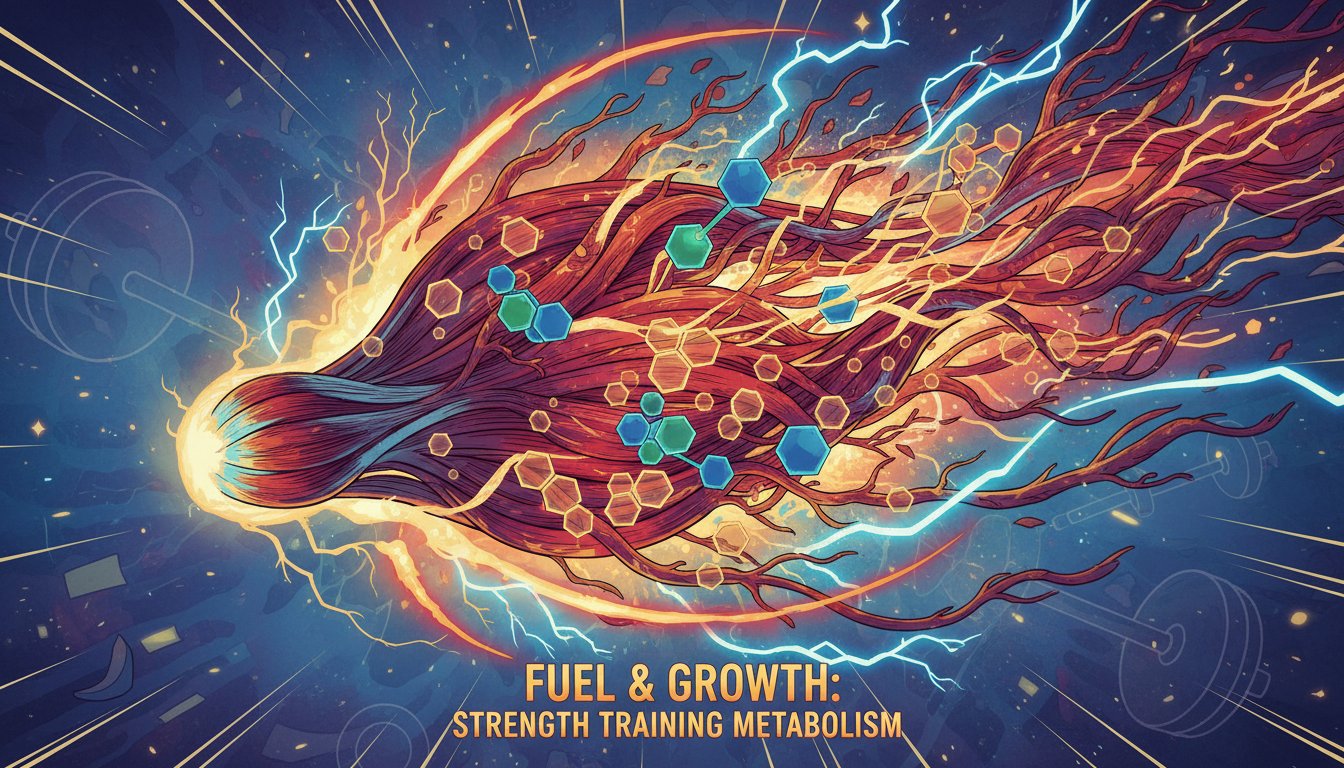
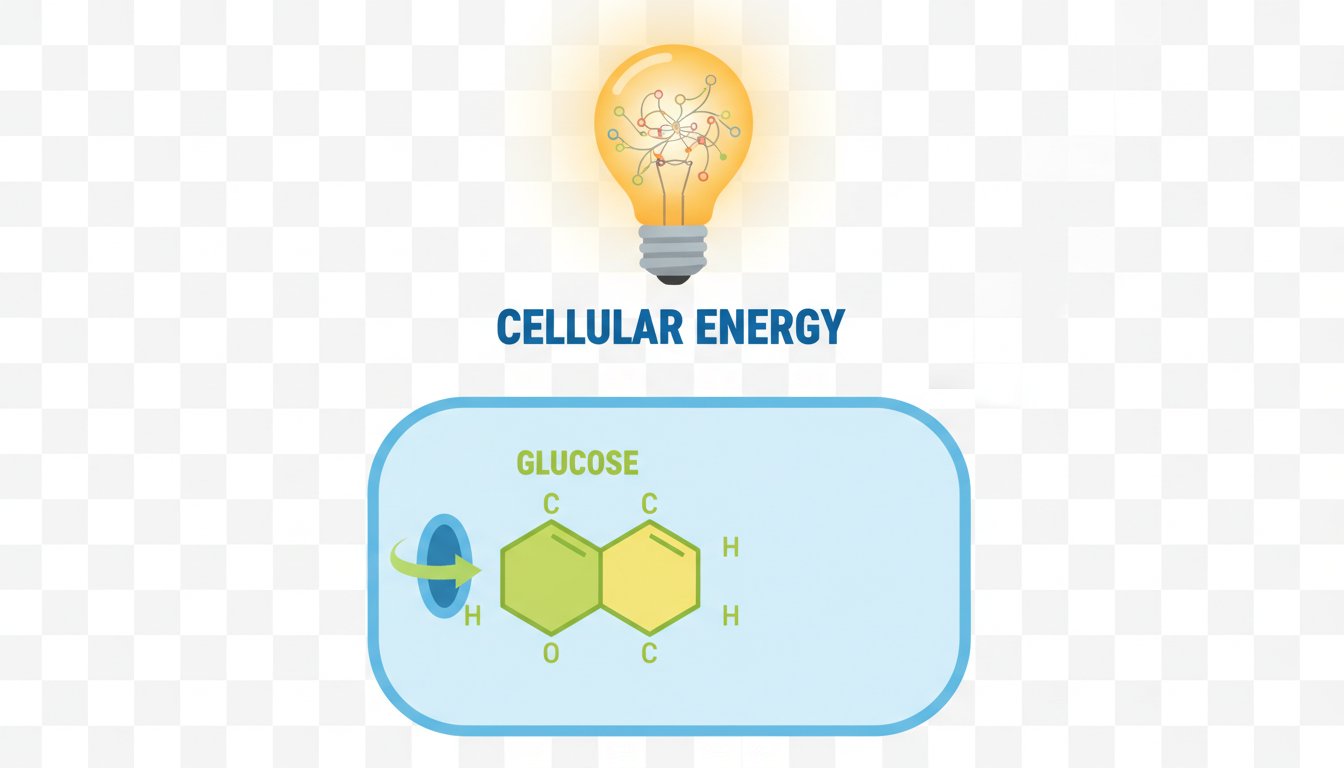
Insulin is the hormone responsible for unlocking your cells so they can absorb glucose from your bloodstream to use for energy. In many cases of metabolic dysfunction, your cells may become "resistant" to this signal. Resistance training helps by increasing the number of glucose transporters (specifically GLUT4) in your muscle cells. Essentially, it increases the "docking ports" available for glucose to enter your muscles.
By increasing your muscle mass, you are also creating a larger "glucose sink." Think of your muscles as a storage tank for sugar. The more muscle tissue you have, the larger the tank, and the more room your body has to store glucose after a meal, preventing those frustrating post-meal spikes.
The Immediate and Long-Term Benefits
The beauty of resistance training is that it provides both immediate rewards and long-term structural changes to your metabolism.
Immediate Glucose Uptake
During and immediately after a resistance training session, your muscles become highly efficient at soaking up glucose from your blood, even if your insulin levels are relatively low. This is known as non-insulin-dependent glucose uptake. You are essentially using the fuel in your bloodstream to power your movement, which can naturally help bring down a high reading.
Long-Term Metabolic Improvements
Beyond the session itself, the long-term adaptation to strength training is profound. Regular resistance training increases your resting metabolic rate. Because muscle tissue is metabolically active, it requires more energy to maintain than fat tissue. This means that even when you are resting or sleeping, your body is burning more energy, which contributes to better overall glucose regulation throughout the day.
If you are interested in seeing how your body responds to different types of activity, using tools like glucose tracking apps can help you visualize these improvements. Seeing the impact of a workout on your blood sugar numbers in real-time is often the motivation needed to stay consistent.
Integrating Resistance Training Into Your Routine
You don't need a professional gym membership or heavy equipment to start reaping these benefits. The most important factor is consistency. If you are new to strength training, start small and prioritize proper form to keep your joints safe.
Focus on Compound Movements
Compound exercises, which involve multiple muscle groups at once, are the most efficient for glucose management. Movements like squats, lunges, push-ups, and rows recruit large amounts of muscle fiber, creating the biggest demand for glucose.
Start with Bodyweight
You can achieve significant results with just your own body weight. Try to incorporate:
- Bodyweight squats: Great for hitting the large muscles in your legs.
- Wall push-ups or standard push-ups: Excellent for the chest, shoulders, and triceps.
- Planks: Fantastic for core stability and overall engagement.
Monitor Your Progress
As you begin this journey, remember that your body's response to exercise can vary based on the time of day and your pre-workout meals. Managing your glucose is a dynamic process. Using a tool like GlucoAI allows you to log your workouts alongside your glucose data, helping you identify which specific routines lead to the most stable blood sugar patterns for you.
Safety First: Tips for Success
Before starting any new exercise program, please consult your doctor, especially if you are currently using insulin or other glucose-lowering medications. Exercise can significantly increase your insulin sensitivity, which may mean you need to adjust your medication dosages to avoid hypoglycemia (low blood sugar).
Timing Your Workouts
Some people find that resistance training in the late afternoon or early evening helps keep their blood sugar more stable through the night and into the next morning. However, everyone is different. Experiment with different times of day and track the results using your glucose management tools.
Stay Hydrated and Fueled
Never train on an empty tank if your blood sugar is already trending low. Keep healthy, glucose-balancing snacks nearby, and ensure you are drinking enough water, as proper hydration is essential for metabolic health.
Listen to Your Body
Strength training should challenge you, but it shouldn't cause pain. If you feel dizzy, lightheaded, or unusually shaky, stop, check your blood sugar, and rest. Consistent, moderate effort will always outperform an occasional, high-intensity session that leaves you burnt out or injured.
Summary
Resistance training is one of the most effective, evidence-based methods for improving insulin sensitivity and stabilizing blood sugar levels. By building muscle, you are essentially increasing your body's capacity to store and utilize glucose, which reduces the burden on your system.
Key Takeaways:
- Increased Glucose Storage: More muscle mass acts as a larger "sink" for blood sugar.
- Improved Sensitivity: Strength training helps cells respond better to insulin, making your metabolism more efficient.
- Start Simple: You don't need heavy weights; bodyweight exercises are highly effective for beginners.
- Safety Matters: Always consult your doctor before changing your exercise routine, especially if you are on medication.
- Track Your Success: Use GlucoAI to log your resistance training sessions and observe how your glucose levels respond over time.
Small, consistent steps are the foundation of sustainable health. Whether it is just 15 minutes of bodyweight squats twice a week or a full gym routine, your body will thank you for the effort. If you haven't yet, start monitoring how your strength training sessions affect your numbers today—you might be surprised at how quickly your metabolic health improves.
GlucoAI — Smart Blood Sugar Monitor
Track, analyze, and optimize your glucose levels with AI-powered insights.