
- Published on
Hydration and Blood Glucose: Staying Balanced
Hydration and Blood Glucose: Staying Balanced
Have you ever noticed your blood sugar creeping higher on a day when you’ve barely touched your water bottle? It’s not just a coincidence. While we often focus on carbohydrates, fiber, and exercise as the pillars of glucose management, hydration is the silent partner in your metabolic health. Keeping your body properly hydrated is one of the simplest, most effective, and often overlooked ways to help maintain stable blood glucose levels.
For those of us managing diabetes or aiming to optimize our metabolic health, understanding the link between water intake and glucose control is essential. When you are dehydrated, your blood volume decreases, which leads to a higher concentration of glucose in your bloodstream. By staying hydrated, you aren't just quenching your thirst—you are actively helping your body process and manage glucose more efficiently.
The Science of Hydration and Blood Sugar
To understand why hydration matters, we first need to look at how your blood works. Your blood is largely made up of water. When you don't drink enough fluids, your body loses water through sweat, breathing, and other metabolic processes. As your total body water drops, your blood volume decreases, causing the glucose already present in your bloodstream to become more concentrated.
This leads to a higher reading on your glucose monitor. Furthermore, chronic mild dehydration can trigger the release of a hormone called vasopressin. Vasopressin signals your liver to produce more glucose, which can lead to unnecessary spikes. Essentially, dehydration puts your body in a state of stress, making it much harder to keep your numbers in the target range.
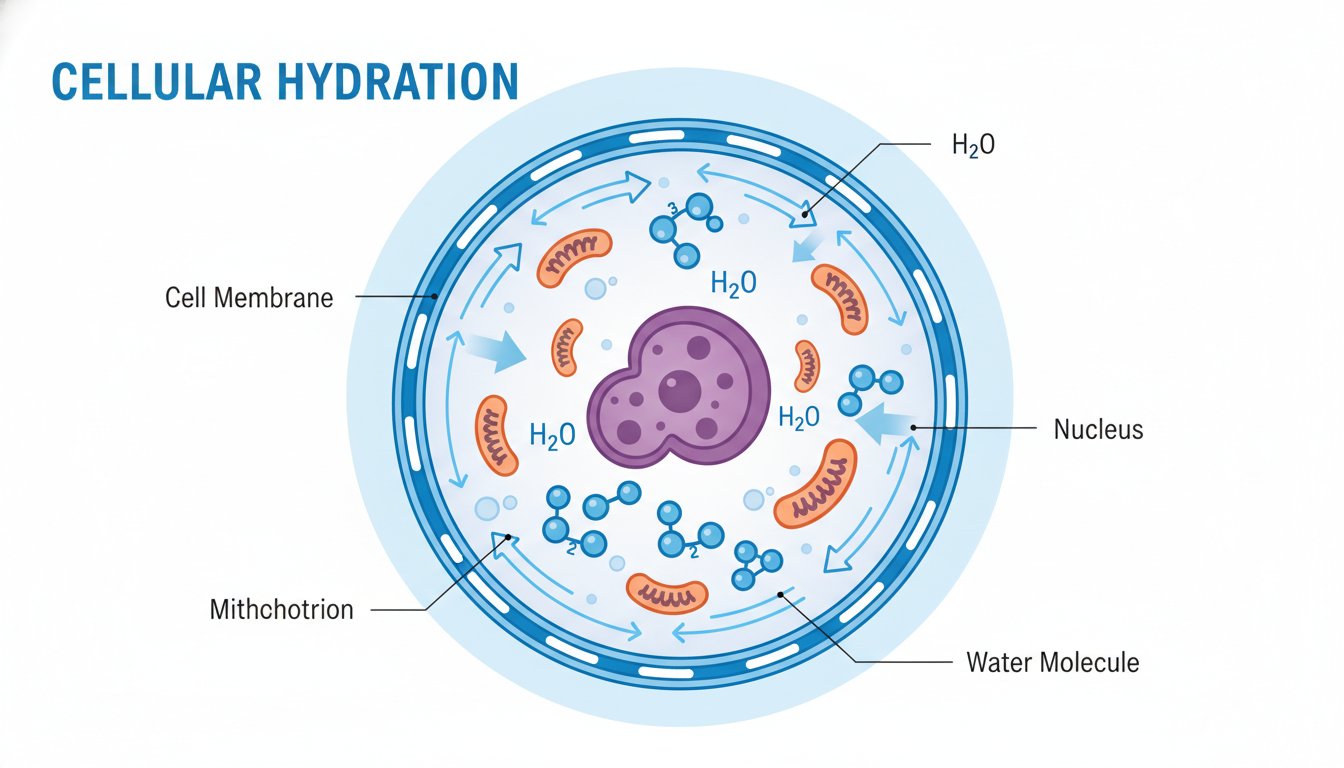
How Dehydration Impacts Your Body
Dehydration doesn't just affect your blood sugar numbers; it affects how your entire system functions. When you are dehydrated, you might experience symptoms that mimic or exacerbate those of high blood sugar, such as fatigue, dizziness, and a dry mouth.
The Kidney Connection
Your kidneys play a vital role in glucose management. When your blood sugar is high, your kidneys work overtime to filter the excess glucose out through your urine. This process requires significant amounts of water. If you are already dehydrated, your kidneys cannot function at their peak capacity, which makes it harder for your body to eliminate that excess glucose. It creates a cycle where high blood sugar leads to dehydration, and dehydration, in turn, makes high blood sugar harder to manage.
The Role of Insulin Sensitivity
Some research suggests that adequate hydration may help improve insulin sensitivity. Insulin is the hormone responsible for allowing glucose to enter your cells to be used for energy. When your cells are properly hydrated, they are more responsive to insulin. Conversely, being dehydrated can contribute to insulin resistance, making it more difficult for your body to move glucose out of the blood and into the cells where it belongs.
Practical Strategies to Stay Hydrated
Knowing that hydration is important is the first step, but making it a consistent habit is where the real progress happens. If you struggle to drink enough water throughout the day, try these practical strategies to build a better routine.
- Start Your Day with Water: Make it a habit to drink a glass of water as soon as you wake up. This rehydrates your body after a long night of sleep and jump-starts your metabolism.
- Use Technology to Your Advantage: It is easy to get busy and forget to drink until you are already thirsty. Using glucose tracking apps can help you log your fluid intake alongside your glucose readings. Many modern diabetes management tools allow you to set reminders, ensuring you take a sip throughout the day.
- Carry a Reusable Bottle: Keep a water bottle with you at all times. If it is within reach, you are much more likely to drink from it.
- Listen to Your Body: While the "eight glasses a day" rule is a good baseline, your individual needs vary based on your activity level, the weather, and your specific health needs. Always consult your doctor to determine what hydration level is right for you.
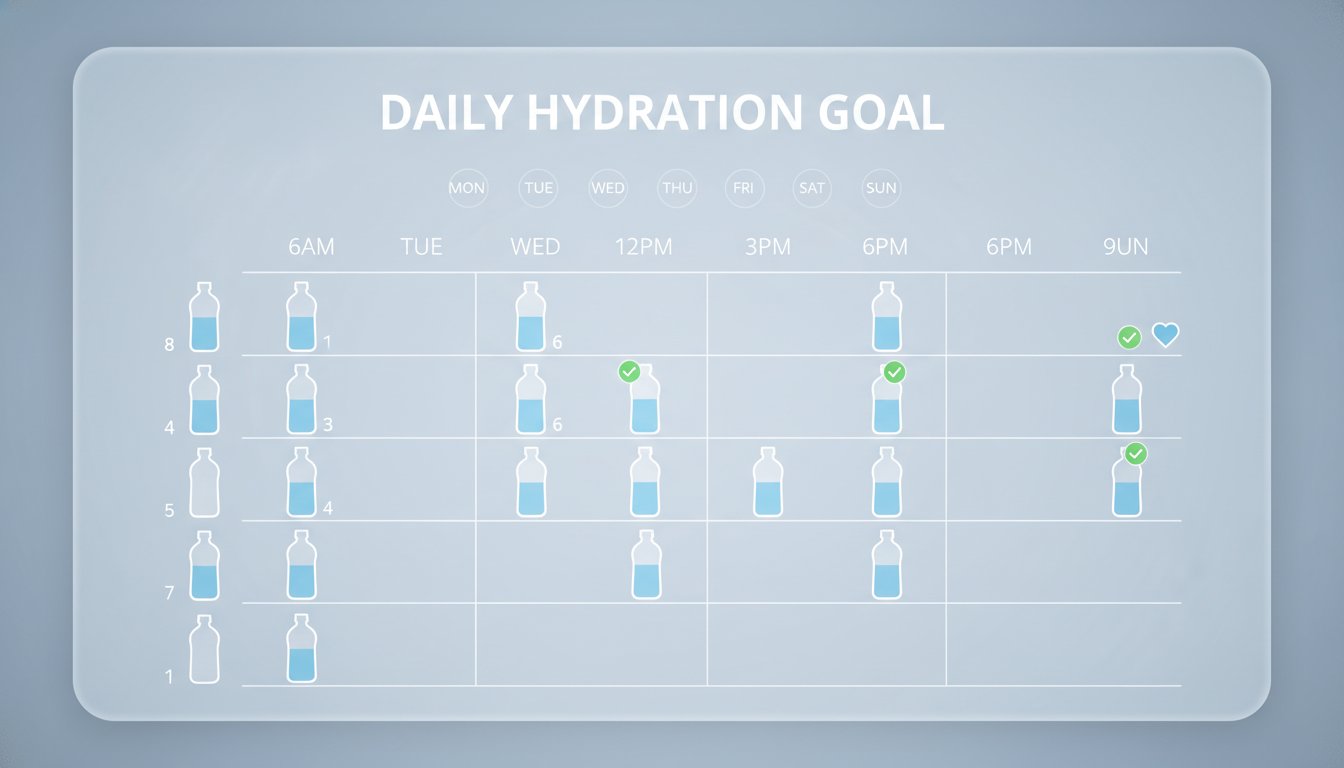
Monitoring the Connection
The best way to see how hydration affects your specific metabolic health is to track your data. By using a Continuous Glucose Monitor (CGM) or regular finger-prick testing, you can begin to notice patterns. If you notice a spike in your blood sugar that doesn't seem linked to a specific meal, check your hydration levels. Did you drink enough water this morning?
For more tips on how to interpret these fluctuations, check out our beginner's guide to interpreting CGM data. Understanding your personal trends is key to long-term success. You can also learn more about why variability matters in our post on deciphering glucose variability.
Troubleshooting Common Issues
"I don't like the taste of plain water."
Solution: If you find plain water boring, infuse it with natural flavors like cucumber slices, lemon wedges, or fresh mint leaves. Avoid sugary drink mixes, as these can trigger the exact blood sugar spikes you are trying to avoid.
"I feel like I'm drinking, but I'm still thirsty."
Solution: Increased thirst (polydipsia) is a common symptom of persistent high blood sugar. If you find that you are constantly thirsty despite drinking plenty of water, it is a sign that your blood glucose may be consistently elevated. Please consult your doctor to discuss your glucose levels and ensure your management plan is effective.
Results You Can Expect
When you prioritize hydration, you may notice several benefits:
- Improved Stability: More consistent blood sugar levels throughout the day.
- Better Energy: Reduced feelings of fatigue or brain fog often associated with mild dehydration.
- Easier Management: Your body’s natural filtration system (the kidneys) can work more effectively.
Small, consistent habits are the foundation of metabolic health. By viewing hydration as a medical necessity rather than an afterthought, you empower yourself to take control of your health.
Summary
Hydration is a fundamental, yet often overlooked, component of effective blood glucose management. By maintaining proper fluid levels, you help your kidneys function, improve your cellular insulin sensitivity, and prevent unnecessary glucose concentration in your blood.
Key takeaways to remember:
- Dehydration concentrates glucose, leading to higher readings.
- Your kidneys require water to flush excess glucose from your system.
- Small, frequent water intake is more effective than large amounts sporadically.
- Track your hydration alongside your glucose data to identify your own personal patterns.
If you are looking for a more streamlined way to manage your health, GlucoAI can help you track your glucose trends and lifestyle habits in one place. Start by focusing on your water intake today—your body will thank you for the balance.
Disclaimer: This post is for educational purposes and does not constitute medical advice. Always consult your doctor or a qualified healthcare provider regarding your diabetes management plan and any changes to your diet or hydration habits.
GlucoAI — Smart Blood Sugar Monitor
Track, analyze, and optimize your glucose levels with AI-powered insights.