
- Published on
Alcohol and Blood Glucose: A Guide to Safe Monitoring
Have you ever noticed how a glass of wine or a celebratory cocktail can seem to throw your carefully managed blood sugar levels into a state of total confusion? If you are living with diabetes, you know that managing your health is a balancing act—and adding alcohol into the mix can feel like performing that tightrope walk in the dark.
Understanding how your body processes alcohol is essential for keeping your glucose levels stable. While it is possible to enjoy a drink occasionally, doing so safely requires a bit of extra planning and a commitment to vigilant monitoring. In this guide, we will explore how alcohol impacts your metabolism and how you can stay in control of your numbers.
How Alcohol Affects Your Blood Glucose Levels
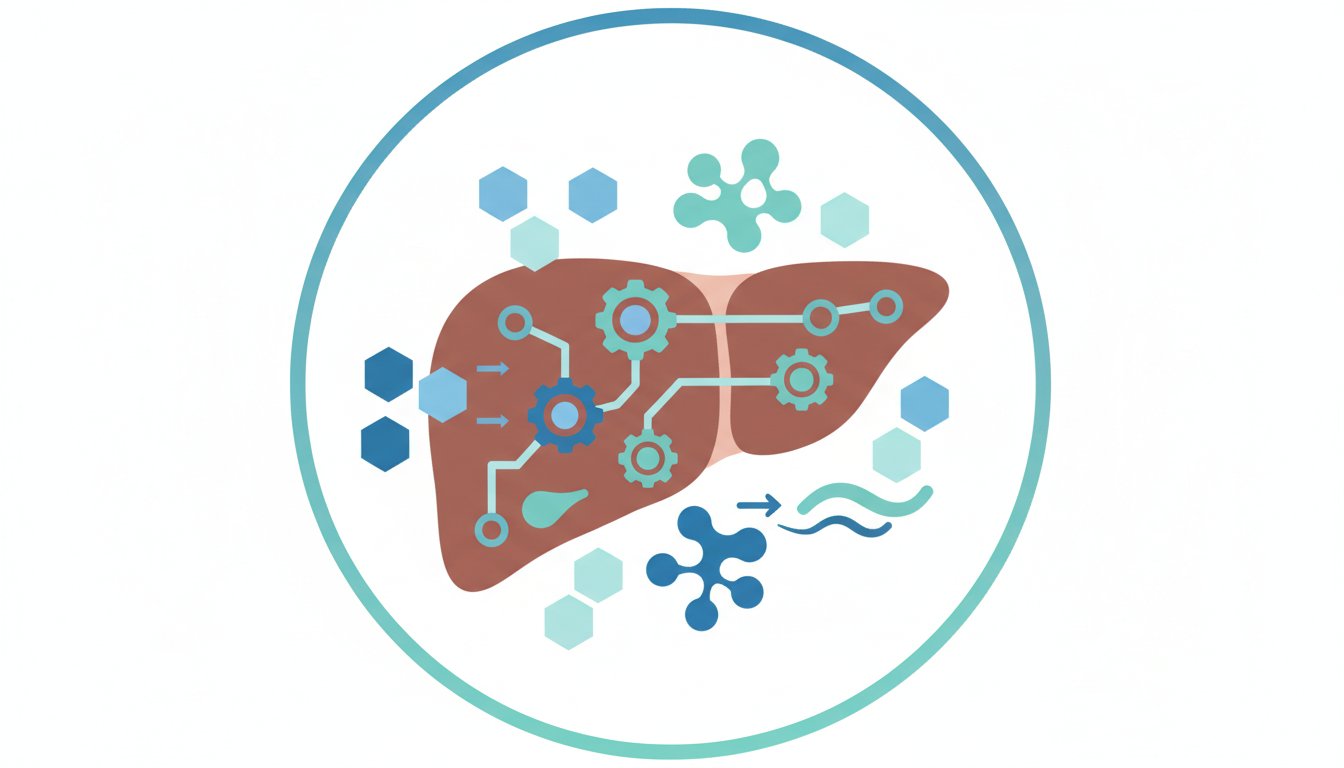
The way alcohol influences blood sugar is unique because it acts differently than most carbohydrates. When you drink, your liver—the organ responsible for releasing stored glucose into your bloodstream when you need energy—prioritizes breaking down the alcohol instead of managing your blood sugar levels.
The Delayed Hypoglycemia Risk
One of the most significant concerns for people using insulin or certain diabetes medications is the risk of delayed hypoglycemia (low blood sugar). Because your liver is busy processing the alcohol, it may stop releasing glucose into your bloodstream for several hours. This can lead to a sudden, unexpected drop in blood glucose, sometimes even several hours after you have finished your last drink.
The Impact of Mixed Drinks
It is also important to consider what you are mixing your alcohol with. Many cocktails, mixers, and sweet wines are loaded with sugar or high-fructose corn syrup, which can cause a sharp spike in blood glucose shortly after consumption. This "spike-then-drop" pattern is a common challenge that makes tight management feel like a rollercoaster.
Strategies for Safe Monitoring While Drinking
If you choose to consume alcohol, preparation is your best tool. You do not have to give up social moments, but you do need to be strategic about how you approach them.
1. Never Drink on an Empty Stomach
Drinking alcohol when your stomach is empty can cause your blood sugar to drop much faster. Always pair your drink with a meal that contains a balance of protein, healthy fats, and complex carbohydrates. These macronutrients help slow the absorption of alcohol and provide a steady source of glucose to your system.
2. Choose Your Beverages Wisely
Opting for drinks with lower sugar content can help you avoid the initial glucose spike.
- Dry wines: These typically have less residual sugar than sweet or dessert wines.
- Light beers: These generally contain fewer carbohydrates than regular beers.
- Spirits with zero-sugar mixers: Club soda, sparkling water, or a squeeze of lime are excellent choices compared to fruit juices or sugary sodas.
3. Increase Your Monitoring Frequency
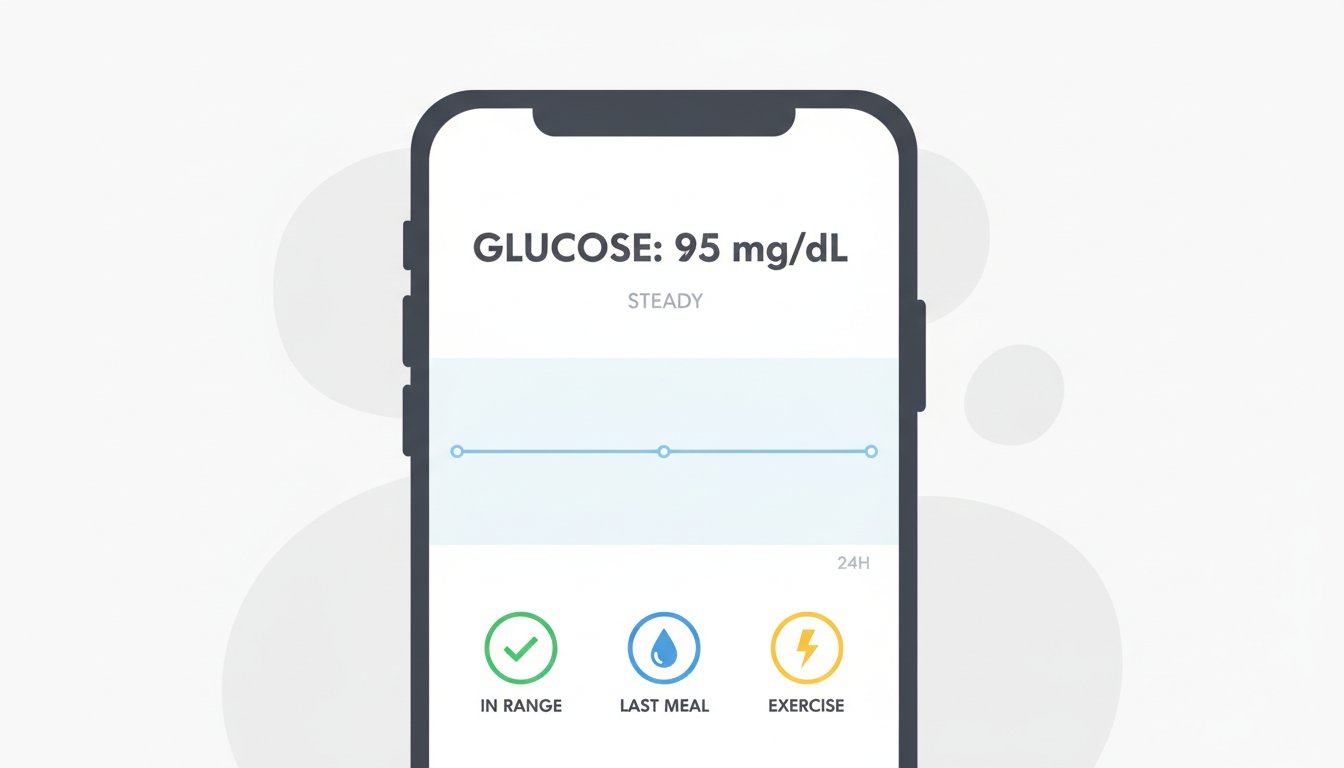
Because alcohol can mask the symptoms of low blood sugar—like dizziness or confusion—it is vital to check your glucose levels more often than usual. Using a Continuous Glucose Monitor (CGM) can provide you with real-time data, making it easier to spot trends before they become dangerous. If you are not using a CGM, be sure to keep your traditional blood glucose meter nearby.
Why Consistent Tracking is Your Best Defense
Managing your health isn't just about the moment you are in; it is about recognizing patterns over time. When you use tools like GlucoAI, you can log your meals, alcohol intake, and blood sugar readings in one place. This creates a clear picture of how specific types of drinks or food pairings affect your body individually.
By identifying these patterns, you can make informed decisions in the future. For example, if your data shows that a particular brand of hard cider consistently leads to a spike followed by a dip, you might choose a different option next time. Understanding these unique reactions is a core pillar of effective diabetes management and helps you feel more empowered in your daily life.
You can learn more about interpreting these trends in our Beginner's Guide to Interpreting CGM Data. Consistency in logging is the difference between guessing what might happen and knowing exactly how your body will respond.
Troubleshooting Common Concerns
What if I feel symptoms of low blood sugar?
Always treat a potential low with fast-acting carbohydrates, such as glucose tablets or a small amount of juice, and re-check your blood sugar after 15 minutes. Because alcohol can delay the effect of these treatments, staying vigilant is key.
Does alcohol affect my medication?
Yes, it can. Some diabetes medications interact directly with alcohol, increasing the risk of side effects. It is critical that you talk to your healthcare provider about your specific medications and whether alcohol consumption is safe for your individual health plan. Please consult your doctor before making any changes to how you manage your condition alongside social habits.
Summary and Next Steps
Managing your blood glucose while incorporating alcohol requires a proactive mindset. By remembering these key points, you can navigate social situations with more confidence:
- Prioritize food: Always eat a balanced meal when drinking to prevent rapid glucose drops.
- Watch the mixers: Choose low-sugar or sugar-free mixers to avoid sharp glucose spikes.
- Monitor more often: Keep a close eye on your levels throughout the evening and even into the next morning, as delayed hypoglycemia is a real risk.
- Use data to your advantage: Tracking your intake and your body’s response using a tool like GlucoAI allows you to see how your choices impact your health, helping you make better decisions down the road.
If you are looking for more ways to keep your levels stable, check out our 5 Practical Strategies to Manage Blood Sugar Spikes for more actionable tips on keeping your numbers in a healthy range.
Start by tracking your next meal or drink in the GlucoAI app to see the impact for yourself. Small, consistent observations lead to big improvements in your metabolic health. Stay safe, stay informed, and enjoy your journey toward better balance!
Disclaimer: This blog post is for educational purposes only and does not constitute medical advice. Always consult with your doctor or a qualified healthcare professional before making changes to your diet, medication, or diabetes management plan.
GlucoAI — Smart Blood Sugar Monitor
Track, analyze, and optimize your glucose levels with AI-powered insights.