
- Published on
The Science of Glucose Fasting and Insulin Sensitivity
Have you ever wondered if giving your body a "break" from digestion could be the missing piece of your metabolic health puzzle? Many of us are used to the standard "three meals a day" rhythm, but the science of glucose fasting suggests that changing when we eat can be just as impactful as what we eat.
Intermittent fasting (IF) has moved from a wellness trend to a well-studied metabolic tool. By intentionally extending the periods where we do not consume calories, we can influence how our bodies process glucose and how sensitive our cells are to insulin. Understanding this science can help you take the driver's seat in your diabetes management journey.
What Is Glucose Fasting and How Does It Work?
At its core, glucose fasting refers to periods of time where you abstain from eating, allowing your blood sugar levels to stabilize and your circulating insulin levels to drop. When you aren't constantly feeding your body carbohydrates, your blood glucose levels naturally decline.
During this "fasted state," your body shifts its metabolic focus. Instead of relying on the constant influx of glucose from your last meal, your system begins to prioritize stored energy. This transition is essential for improving insulin sensitivity—the ability of your cells to effectively respond to insulin and move sugar out of the bloodstream.
The Role of Insulin Sensitivity
Insulin is the "key" that unlocks your cells to let glucose in for energy. When you have high insulin resistance, that key doesn't work as well, leading to higher blood sugar levels. By incorporating fasting windows, you give your pancreas a rest and allow your cells to "reset" their sensitivity to insulin. Over time, this can help you achieve more stable numbers and, for many, better long-term glycemic control.
The Physiological Benefits of Fasting for Metabolic Health
When you fast, your body undergoes several internal shifts that are particularly beneficial for those monitoring their blood sugar. Here is how your body responds:
1. Lowered Basal Insulin Levels
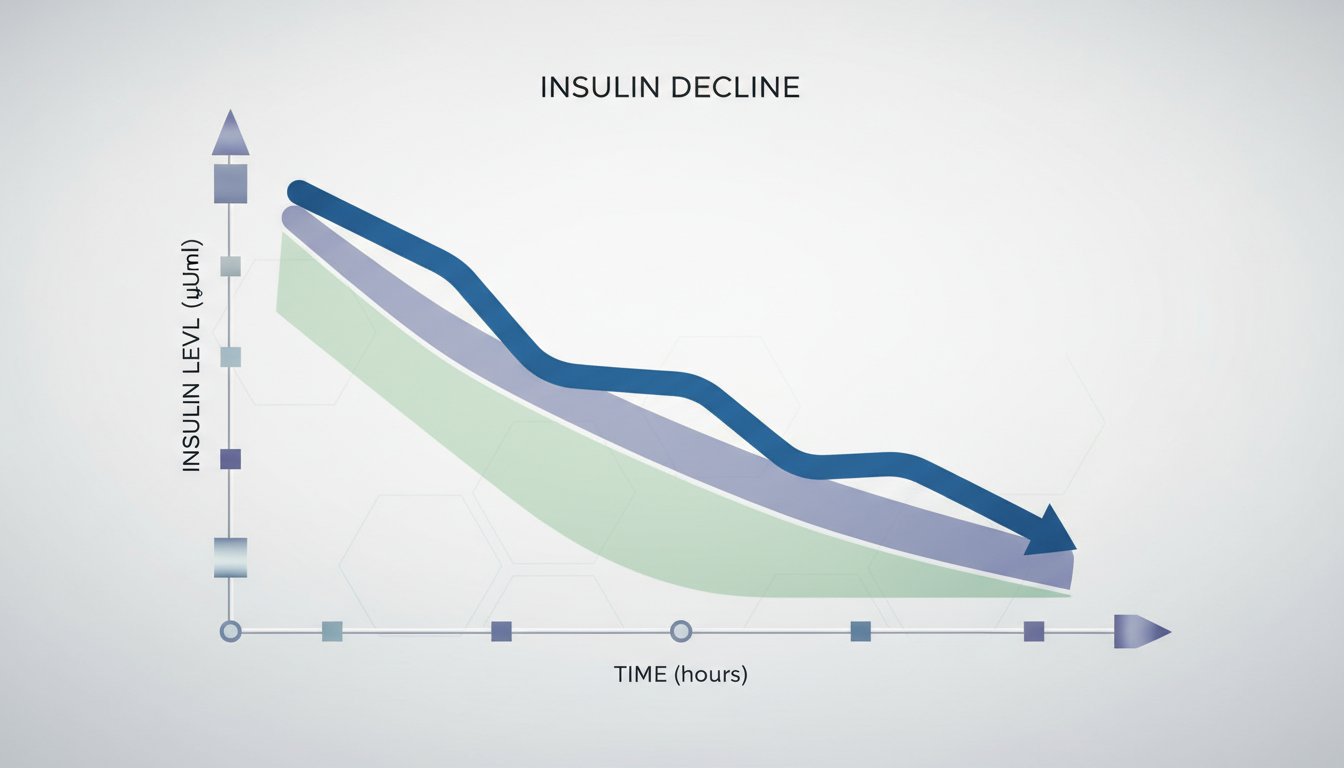
When you eat frequently, your insulin levels stay elevated throughout the day. Constant high insulin can eventually lead to resistance. During a fast, your insulin levels drop significantly, which signals your body to start tapping into fat stores and stabilizes your glucose levels.
2. Improved Glycemic Variability
"Glucose variability" refers to the ups and downs of your blood sugar throughout the day. High variability is often linked to increased oxidative stress. Fasting helps flatten these peaks and valleys, leading to a smoother "Time in Range"—a key metric for diabetes management. If you want to learn more about why these swings matter, check out our guide on understanding glucose variability.
3. Cellular Repair and Autophagy
Beyond blood sugar, fasting triggers a process called autophagy. This is essentially your body’s "cleanup crew," where cells remove damaged components. Emerging research suggests that this process may support overall metabolic function, though it is always important to discuss these changes with your healthcare provider before beginning any new fasting regimen.
How to Approach Fasting Safely
If you are living with diabetes or prediabetes, "fasting" should not be an impulsive decision. It requires a structured approach and close monitoring. Because fasting changes how your body uses insulin, you must be careful to avoid hypoglycemia (low blood sugar).
Start with Small Windows
You don't need to jump into a 24-hour fast to see benefits. Many people find success with a 12:12 or 16:8 schedule (fasting for 12 or 16 hours, respectively). The goal is to create a consistent window that allows your body to reach a stable, fasting glucose state.
Monitor Closely
The most effective way to see how fasting affects your unique metabolism is through data. Using a continuous glucose monitor (CGM) allows you to see exactly how your body reacts to different fasting lengths. By tracking your glucose levels in a dedicated tool like GlucoAI, you can identify which fasting window provides the most stability for your blood sugar levels.

Troubleshooting Common Fasting Challenges
Challenge: Feeling Lightheaded or "Low"
Solution: If you feel symptoms of low blood sugar, do not push through. Check your glucose reading immediately. It is possible that your medication dosage needs adjustment to account for the lack of incoming carbohydrates. Always consult your doctor before changing your routine, especially if you take insulin or secretagogues.
Challenge: The "Rebound" Spike
Solution: Sometimes, breaking a fast with a high-carb meal causes a sharp spike in blood sugar. To prevent this, focus on breaking your fast with fiber, healthy fats, or protein. This helps slow the absorption of glucose. For more on this, read our tips on food order for better blood sugar control.
Results You Can Expect
When implemented safely, many people notice:
- Reduced reliance on medication (under doctor supervision).
- More predictable blood sugar readings in the mornings.
- Increased energy levels as the body becomes more efficient at switching between fuel sources.
Remember, the goal isn't just to "not eat"—the goal is to create a metabolic environment where your body functions at its best. Consistent tracking is your best friend here. By logging your fasts and correlating them with your CGM data in the GlucoAI app, you can create a personalized roadmap that works for your body’s specific needs.
Summary and Key Takeaways
Glucose fasting is a powerful, science-backed tool for improving insulin sensitivity and stabilizing blood sugar, but it must be practiced with intention and medical guidance.
- Fasting promotes metabolic flexibility: It allows your body to switch from burning glucose to utilizing stored energy, which helps lower insulin levels.
- Safety first: Always consult with your healthcare provider, especially if you are on glucose-lowering medications, to prevent dangerous lows.
- Data is your guide: Use your CGM data to see how your body responds to different fasting schedules.
- Consistency over intensity: Start with shorter fasting windows and use tracking tools to monitor your progress.
Ready to see how your body responds to a new routine? Start by tracking your meals and glucose levels consistently. Small, data-backed habits lead to the biggest improvements in your long-term health. Download GlucoAI today to begin logging your journey and uncovering the patterns that lead to a more stable, healthier you.
Disclaimer: This blog post is for educational purposes only and does not constitute medical advice. Always consult your doctor or a qualified healthcare provider before making any changes to your diet, fasting routine, or diabetes management plan.
Tags: glucose, diabetes, insulin, metabolic-health, cgm
GlucoAI — Smart Blood Sugar Monitor
Track, analyze, and optimize your glucose levels with AI-powered insights.