
- Published on
Deciphering Glucose Variability: What Your Data Reveals
Deciphering Glucose Variability: What Your Data Reveals
Have you ever looked at your glucose data and felt like you were reading a foreign language? You see the peaks, the dips, and the steady lines, but understanding what those fluctuations actually mean for your long-term metabolic health can be overwhelming. You aren’t alone in this. Many people living with diabetes or working to improve their metabolic health find that the sheer volume of data from a Continuous Glucose Monitor (CGM) is more confusing than helpful.
Glucose variability refers to the oscillations or "swings" in your blood sugar levels throughout the day and night. While most of us focus heavily on our A1C (the average of your blood sugar over the last 3 months), variability tells a more nuanced story. It reveals how your body responds to the specific stressors, foods, and lifestyle choices you encounter every day. By learning to read these patterns, you can move from simply observing your numbers to actively managing your health with confidence.
Why Glucose Variability Matters for Your Health
It is easy to get caught up in the "perfect" number, but stable glucose is often more important than a perfectly flat line. High variability—frequent, large swings in your blood sugar—is linked to oxidative stress, which can damage cells and impact your long-term cardiovascular health.
When your glucose levels bounce around like a rollercoaster, your body has to work overtime to produce or manage insulin. Over time, these frequent spikes and subsequent crashes can lead to increased insulin resistance. By monitoring your variability, you aren't just looking at a snapshot; you are evaluating how effectively your body maintains metabolic balance. If you are interested in learning more about broader metrics, our guide on Understanding Time in Range: Beyond A1C offers a great deep dive into why these metrics matter.
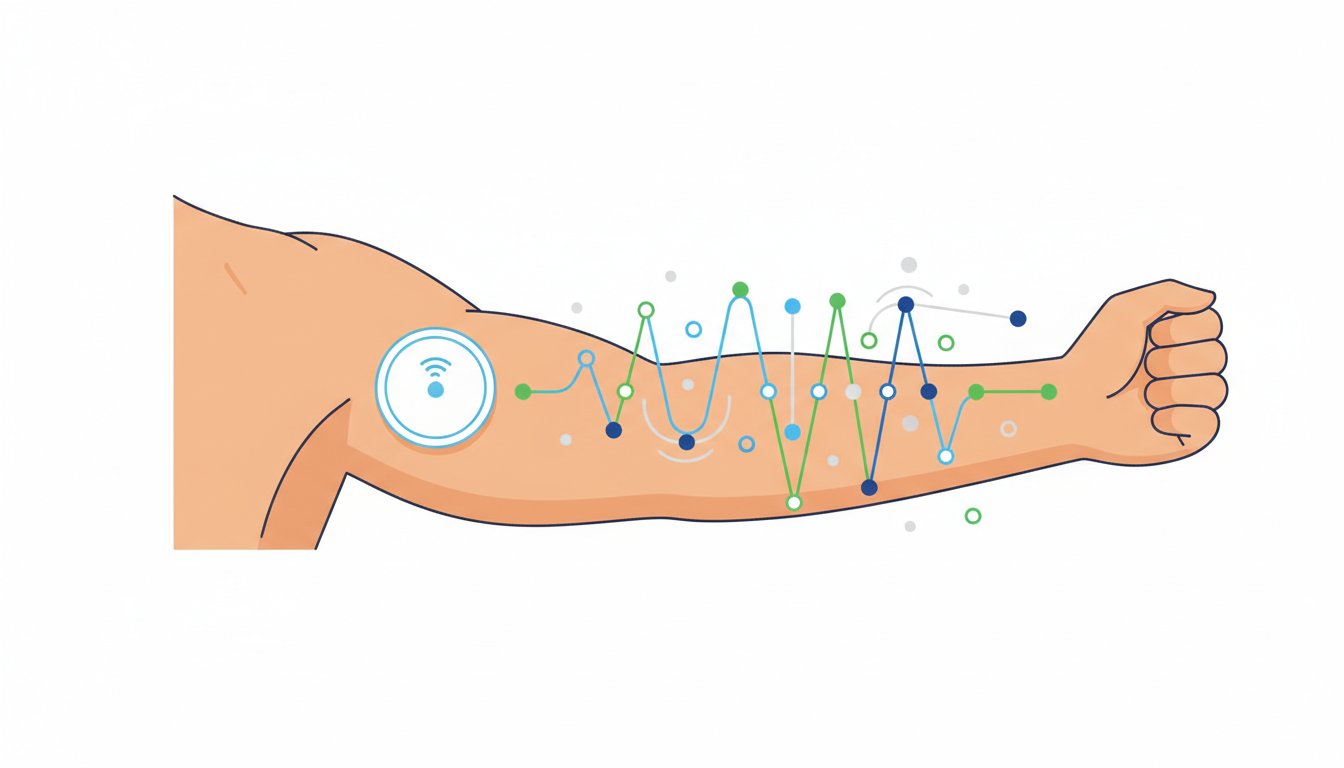
Identifying Your Personal "Glucose Signature"
Everyone’s metabolic response is unique. What causes a spike in one person might be entirely manageable for another. To decipher your data, you need to look for recurring patterns rather than reacting to a single high or low reading.
The Meal-Time Spike
Look at your data two hours after meals. If you notice consistent, sharp spikes, your body may be struggling to process the specific carbohydrate load of that meal. Instead of cutting out entire food groups, consider how the sequence of your meals affects your numbers. For instance, eating protein and fiber before carbohydrates can significantly blunt that post-meal spike. You can find more actionable tips in our article on Food Order for Better Blood Sugar Control.
The "Dawn Phenomenon"
Do you notice your blood sugar creeping up in the early morning hours, even if you haven't eaten? This is often due to the "dawn phenomenon," where your body releases hormones like cortisol and growth hormone to prepare you for the day, signaling the liver to release stored glucose. Recognizing this pattern helps you realize that a high morning reading isn't necessarily a failure of your diet, but a physiological response to your circadian rhythm.
The Invisible Stress Spike
Sometimes, your glucose levels rise even when you are fasting. Stress, whether it’s a difficult work meeting or poor sleep, triggers the release of adrenaline and cortisol. These hormones act as a signal to your body to release energy, which manifests as a glucose spike. If you see high levels on a day you didn't eat much, look at your stress levels or how well you slept the night before. Check out our insights on Sleep Quality and Morning Blood Sugar Control to see how rest directly impacts your metabolic stability.
Tools for Tracking and Interpretation
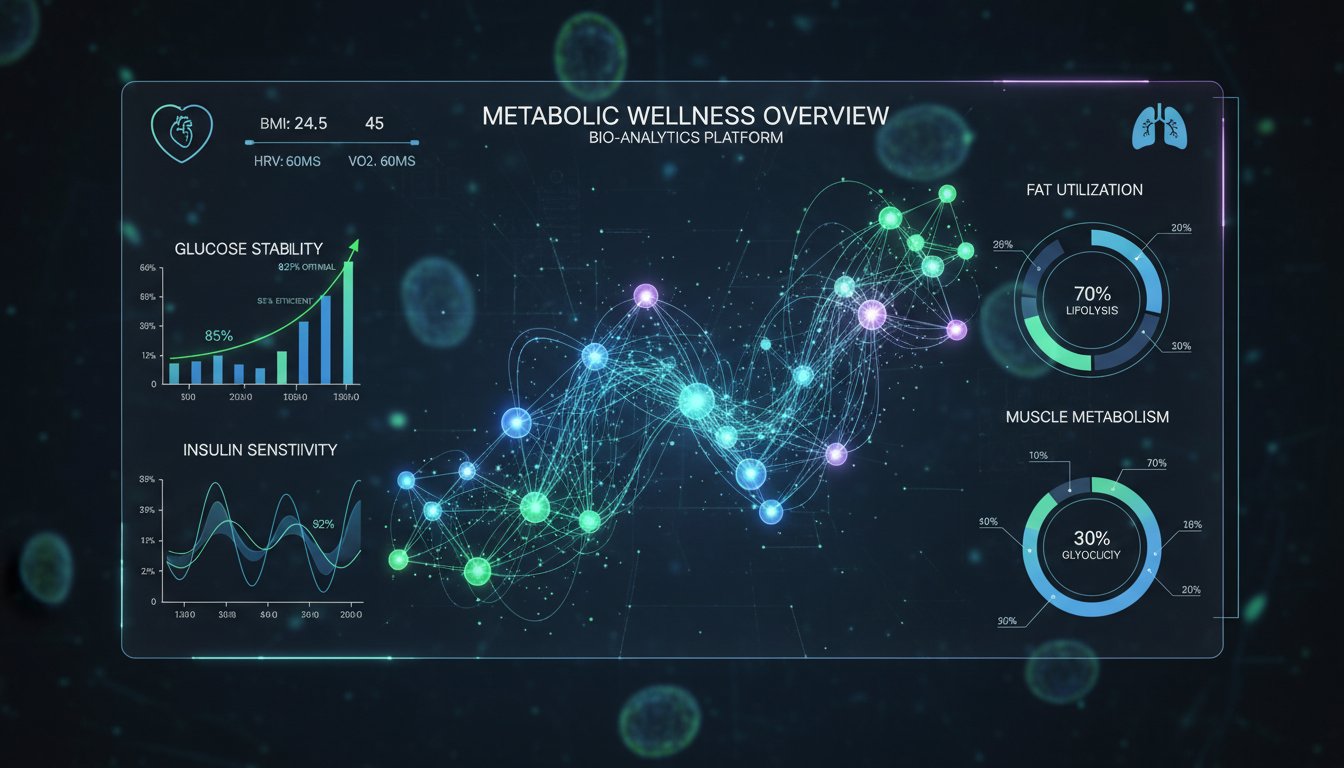
Collecting data is only the first step. To make sense of the noise, you need a system to correlate your glucose trends with your daily habits. Using glucose tracking apps can bridge the gap between "what" happened and "why" it happened.
When you use a tool like GlucoAI, you can log your meals, exercise, and stress levels alongside your CGM data. This allows you to see the "why" behind the "what." Did that walk after dinner flatten your glucose curve? Did that specific snack cause a late-night spike? The ability to overlay these events onto your glucose graph turns raw data into a personal health roadmap.
Turning Observations into Actionable Habits
Once you have identified your patterns, it is time to experiment. Management is not about perfection; it is about finding the variables you can control to keep your glucose within a healthy range.
- Prioritize consistency: Focus on regular meal times and consistent activity levels. Your body thrives on predictability.
- Implement "glucose-friendly" movement: A 10-minute walk after a meal can do wonders for your variability. We explore this further in our guide on Exercise Timing and Insulin Sensitivity: A Guide.
- Identify triggers: If you notice a specific food or situation consistently causes a spike, don't ignore it. Try a smaller portion or pair it with a different nutrient profile next time.
Remember, every spike or dip is just a piece of information. It is not a judgment of your character or your dedication to your health. It is simply your body communicating its current metabolic state.
Troubleshooting Common Patterns
What if I see "ghost" spikes?
Sometimes, your CGM might show a spike that doesn't align with your food intake. This can be due to "compression lows" (if you slept on your sensor) or even hydration levels. If you see a sudden, inexplicable jump, check your hydration and ensure your sensor is secure before assuming it’s a metabolic event.
What if my variability is high despite a "good" diet?
High variability can sometimes be a sign that your body needs more support than diet alone can provide. If you are doing everything "right" but still seeing wild swings, it is vital to speak with your healthcare provider. They may need to adjust your medication or explore other underlying factors affecting your insulin sensitivity.
Summary
Understanding glucose variability is one of the most powerful steps you can take in managing your metabolic health. By looking beyond your A1C and diving into the daily patterns shown by your CGM data, you can:
- Identify the specific triggers—like stress, specific foods, or timing—that cause your blood sugar to fluctuate.
- Make small, sustainable adjustments to your lifestyle that yield significant improvements in your time-in-range.
- Use technology to create a visual record of what works best for your unique physiology.
You don't have to navigate this journey alone. Using a dedicated tracking tool like GlucoAI allows you to capture the context of your day, making your glucose data far more meaningful. Start by logging your habits alongside your numbers this week—you might be surprised by what you learn about your own body.
Disclaimer: This blog post is for informational purposes only and does not constitute medical advice. Please consult your doctor or healthcare provider regarding any changes to your diabetes management plan or concerns about your health.
Ready to gain deeper insights into your metabolic health? Start logging your data with GlucoAI today and turn your glucose patterns into a personalized plan for success.
GlucoAI — Smart Blood Sugar Monitor
Track, analyze, and optimize your glucose levels with AI-powered insights.