
- Published on
Sleep Quality and Morning Blood Sugar Control
Sleep Quality and Morning Blood Sugar Control
Have you ever woken up, checked your blood sugar, and wondered why it was higher than when you went to bed, even though you didn't have a late-night snack? It is a frustrating experience that many people living with diabetes or prediabetes face regularly. While diet and medication are often the first things we analyze, the secret to more stable morning numbers might actually be found in your bedroom, not your kitchen.
Your sleep quality plays a massive role in how your body manages glucose. When your sleep is disrupted or insufficient, your body’s internal systems struggle to regulate metabolism effectively. Understanding this relationship is a key step in taking charge of your metabolic health.
The Connection Between Sleep and Glucose Metabolism
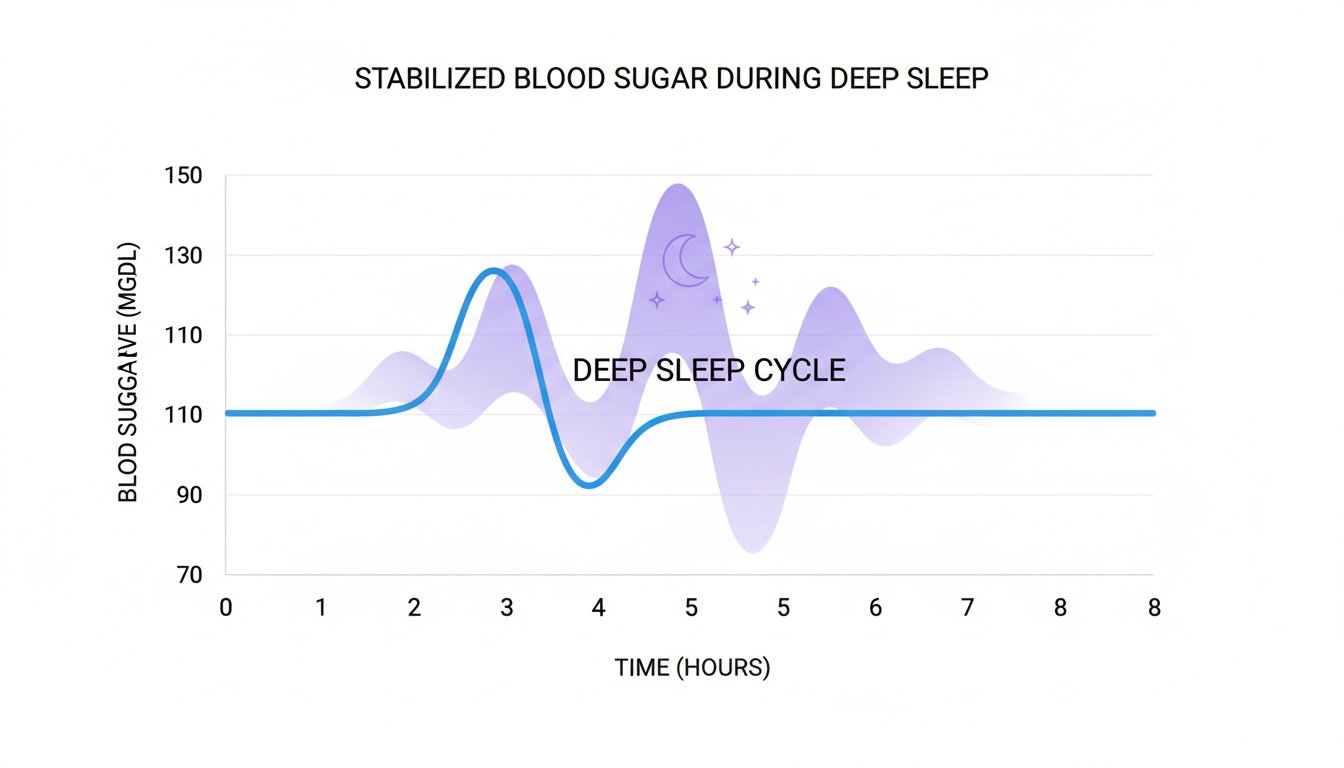
When you sleep, your body performs essential maintenance, including the regulation of hormones that control your blood sugar. During deep sleep cycles, your body becomes more sensitive to insulin, the hormone responsible for helping your cells absorb glucose from your bloodstream.
However, when you don't get enough quality sleep, the opposite happens. Your body shifts into a state of stress. This perceived stress triggers the release of cortisol and adrenaline. These "fight or flight" hormones signal your liver to release stored glucose into your bloodstream for quick energy—even if you are just lying in bed. Simultaneously, sleep deprivation decreases your body's sensitivity to insulin, making it harder for your cells to clear that extra sugar out of your blood.
This combination of increased glucose production and decreased insulin sensitivity is a recipe for higher morning blood sugar levels. Over time, chronic poor sleep can contribute to increased insulin resistance, which makes managing your blood sugar throughout the entire day significantly more difficult.
Why Poor Sleep Impacts Your "Dawn Phenomenon"
Many people are familiar with the "dawn phenomenon," which is the natural rise in blood sugar that occurs in the early morning hours as the body prepares to wake up. Normally, your body releases a small amount of insulin to keep this process in check.
However, if you are sleep-deprived, the hormonal response is often exaggerated. Because your insulin sensitivity is already compromised from a poor night of rest, your body cannot effectively manage that early morning glucose surge.
The Vicious Cycle of Sleep and Blood Sugar
It is also important to recognize that this relationship is bidirectional. Just as poor sleep causes high blood sugar, high blood sugar can also cause poor sleep. When your glucose levels are elevated, you may experience increased thirst or a frequent need to use the restroom during the night, both of which fragment your sleep.
Breaking this cycle requires a two-pronged approach: managing your glucose levels through consistent tracking and prioritizing sleep hygiene to give your body the rest it needs to function correctly. If you are struggling to identify the patterns between your sleep and your levels, using glucose tracking apps can help you visualize how a rough night affects your morning readings.
Practical Steps to Improve Sleep and Stability
Improving your sleep doesn't happen overnight, but small, consistent changes can lead to noticeable improvements in your metabolic health. Here are several actionable strategies to help you get better rest and keep your numbers more stable.
1. Optimize Your Sleep Environment
Your bedroom should be a sanctuary for rest. Keep the room cool, dark, and quiet. Even small amounts of light can disrupt your circadian rhythm, the internal clock that manages your sleep-wake cycle and influences glucose metabolism.
2. Establish a Consistent Routine
Try to go to bed and wake up at the same time every day, even on weekends. Consistency helps regulate your body’s release of melatonin and cortisol. When your body knows when to expect sleep, it can better manage its internal processes, including insulin production.
3. Mind Your Evening Nutrition
What you eat and drink in the evening directly impacts your sleep quality and your morning blood sugar. Avoid heavy meals or caffeine within a few hours of bedtime. If you find your blood sugar is often high in the morning, consider reviewing your dinner choices. As discussed in our related article on food order for better blood sugar control, small adjustments to your evening meal can prevent significant overnight spikes.
4. Manage Stress Before Bed
High stress levels keep your cortisol elevated, which directly opposes healthy blood sugar regulation. Incorporate a wind-down ritual like reading, gentle stretching, or meditation to signal to your body that it is time to relax.

Tracking Your Progress with Technology
One of the most effective ways to understand your personal trends is to use a structured approach to monitoring. By logging your sleep quality alongside your blood sugar readings, you can begin to see the "why" behind the numbers.
When you use tools like GlucoAI, you can keep a detailed record of your daily habits. Over time, this data becomes an invaluable resource for you and your healthcare team. You might discover that on nights where you get at least 7 hours of uninterrupted sleep, your morning readings are consistently lower by 10 to 15 mg/dL. That kind of insight is incredibly empowering because it turns a mysterious health issue into a manageable habit.
If you are currently using a Continuous Glucose Monitor (CGM), you can sync that data with management tools to get a clearer picture of your "time in range." Understanding your time in range is often more helpful than looking at a single fasting number, as it shows you how your glucose levels behave throughout the night.
When to Consult Your Doctor
While lifestyle adjustments are powerful, they are not a substitute for professional medical advice. If you are consistently experiencing high morning blood sugar despite making changes to your sleep and diet, please consult your doctor.
They can help rule out underlying conditions like sleep apnea, which is highly prevalent among those with type 2 diabetes and is a common cause of poor sleep quality and unstable glucose levels. Your physician can also help you adjust your medication or insulin regimen if necessary.
Conclusion
Your journey toward better health isn't just about what is on your plate; it is also about what you do when you turn out the lights. By prioritizing sleep, you are giving your body the essential time it needs to regulate its hormones and maintain better insulin sensitivity.
Key Takeaways:
- Sleep and Glucose are Linked: Poor sleep increases stress hormones, which raise blood sugar and decrease insulin sensitivity.
- The Cycle Matters: High blood sugar can ruin your sleep, and poor sleep can cause high blood sugar—breaking the cycle is key.
- Consistency is King: Maintaining a regular sleep schedule and a calm bedroom environment can stabilize your morning glucose.
- Use Data to Empower You: Tracking your sleep and glucose patterns helps you identify habits that work for your unique body.
Ready to see how your lifestyle habits are influencing your glucose levels? Start tracking your daily progress today. By combining consistent monitoring with simple, actionable changes, you can take control of your metabolic health. Download GlucoAI to start logging your journey toward more stable, predictable mornings.
Disclaimer: This blog post is for educational purposes only and does not constitute medical advice. Please consult your doctor regarding any changes to your diabetes management or if you have concerns about your blood sugar levels.
GlucoAI — Smart Blood Sugar Monitor
Track, analyze, and optimize your glucose levels with AI-powered insights.