
- Published on
5 Practical Strategies to Manage Blood Sugar Spikes
5 Practical Strategies to Manage Blood Sugar Spikes After Eating
Have you ever noticed your blood sugar levels climbing shortly after a meal, even when you thought you made a healthy choice? It is a common experience, and it can be frustrating when you are working hard to maintain balance. Understanding why these post-meal spikes occur is the first step toward gaining more control over your metabolic health.
When we eat, our bodies break down carbohydrates into glucose (sugar), which enters the bloodstream. For people managing diabetes or insulin resistance, the body may not process this glucose efficiently, leading to those noticeable spikes. The good news is that you don't have to guess your way through it. By implementing a few practical, evidence-based strategies, you can minimize these fluctuations and keep your levels more stable throughout the day.
1. Prioritize the Order of Your Food
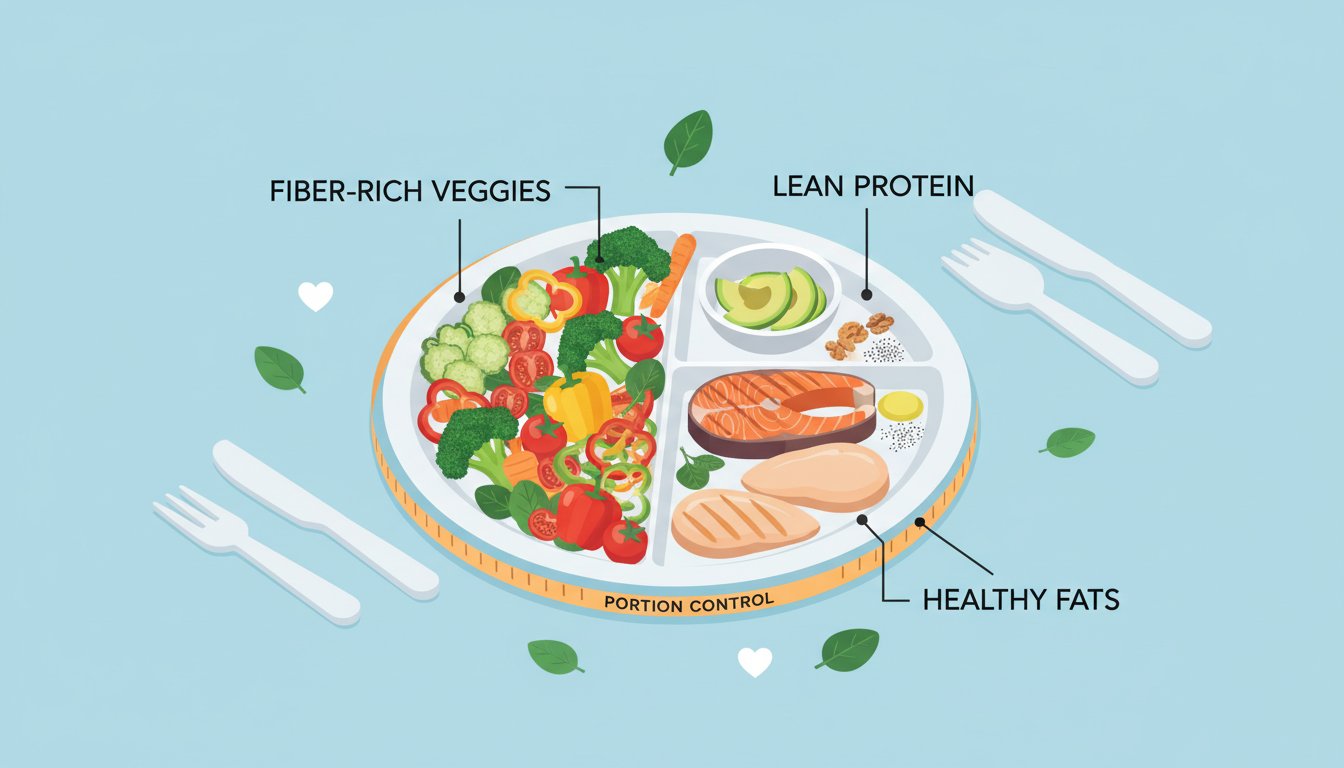
One of the most effective ways to blunt a blood sugar spike is simply changing the sequence in which you eat your food. Research suggests that eating fiber-rich vegetables and protein first, followed by carbohydrates, can significantly slow down the rate at which glucose enters your bloodstream.
Why it matters: Protein and fiber act as a buffer, slowing down gastric emptying—the process by which food leaves your stomach. When you eat carbohydrates on an empty stomach, they are absorbed rapidly, causing a sharp rise in blood glucose. By "padding" your stomach with greens or lean protein first, you create a more gradual absorption curve.
How to do it:
- Start your meal with a side salad or steamed broccoli.
- Eat your protein source (like chicken, fish, or tofu) next.
- Finish with your carbohydrate portion (like brown rice, quinoa, or sweet potato).
For more details on how to structure your plate for better glucose outcomes, check out our related article on food order.
2. Incorporate "Glucose-Lowering" Movement
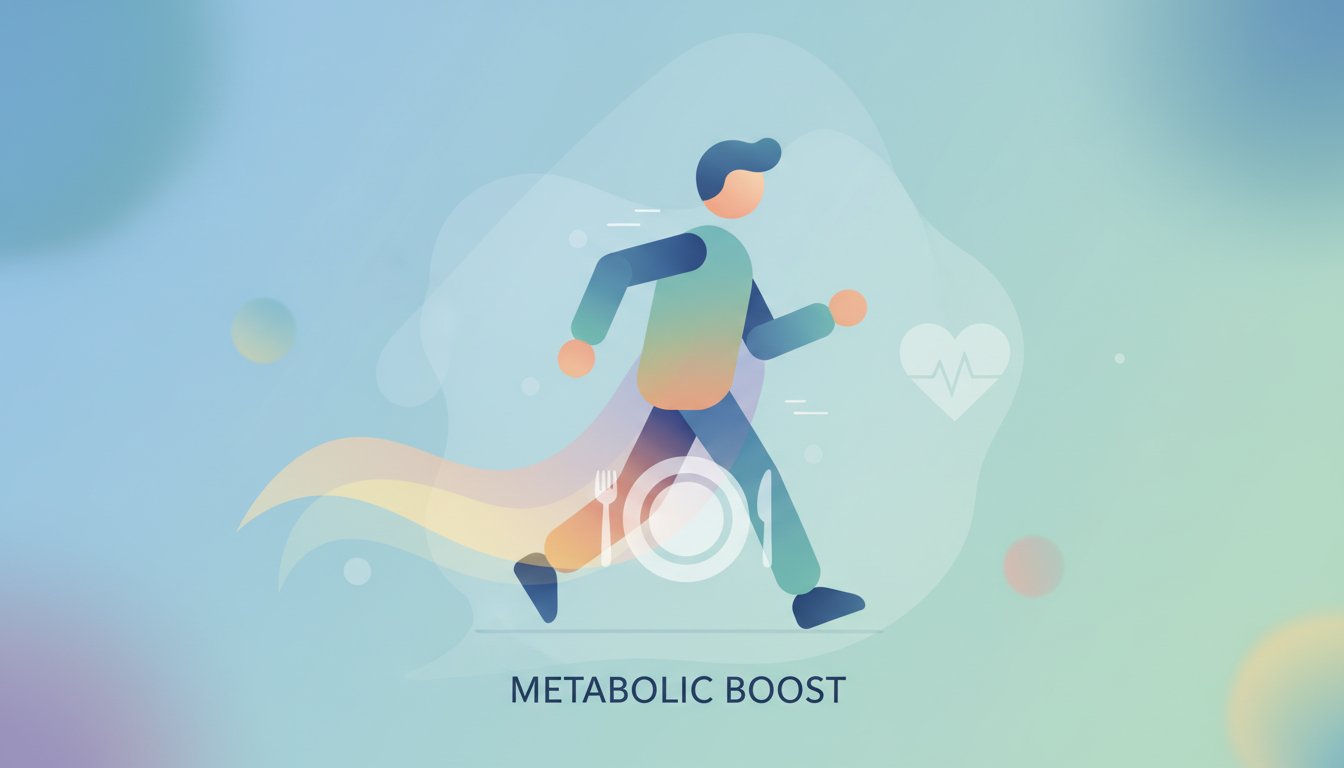
You don't need a grueling gym session to manage post-meal blood sugar. In fact, a light, 10-to-15-minute walk shortly after eating is often more effective than a high-intensity workout hours later.
Why it matters: When you move your body, your muscles require energy. They begin to pull glucose directly from your bloodstream to use as fuel, often without needing as much insulin. This is a powerful, natural way to increase your insulin sensitivity.
How to do it:
- Aim for a brisk walk around your neighborhood or even just pacing through your home.
- If you are at the office, take a quick walk around the floor after lunch.
- Make it a habit to move within 30 minutes of finishing your meal.
3. Leverage Fiber as Your Secret Weapon
Fiber is the unsung hero of glucose management. Unlike other carbohydrates, fiber is not broken down into sugar by the body. Instead, it adds bulk to your meals and slows down the digestion process, which prevents your blood sugar from "spiking" like a mountain peak and instead turns it into a gentle hill.
How to do it:
- Increase your intake of legumes, chia seeds, flaxseeds, and leafy greens.
- Choose whole, intact grains rather than processed, refined flour products.
- Aim for at least 25 to 30 grams of fiber per day to help improve your overall metabolic health.
4. Stay Hydrated Throughout the Day
It sounds simple, but water plays a crucial role in how your body handles glucose. When you are dehydrated, your blood sugar levels become more concentrated. Furthermore, staying well-hydrated helps your kidneys flush out excess sugar through your urine.
How to do it:
- Keep a reusable water bottle at your desk or in your bag.
- If you find plain water boring, infuse it with cucumber, lemon, or mint.
- Avoid sugary drinks like soda or fruit juices, which act as a direct catalyst for blood sugar spikes.
5. Use Data to Identify Your "Trigger Foods"
Everyone’s body responds differently to food. A bowl of oatmeal might spike one person’s glucose levels while having little effect on another's. To truly manage your levels, you need to know how your body specifically reacts to the foods you eat.
Why it matters: Using a continuous glucose monitor (CGM) or a standard blood glucose meter allows you to see the real-time impact of your dietary choices. When you have this data, you stop guessing and start making informed decisions.
How to do it:
- Log your meals and test your blood sugar two hours after eating.
- Use a glucose tracking app to spot patterns over time.
- If you find that a specific food consistently leads to high readings, experiment with smaller portions or swap it for a lower-glycemic alternative.
The Role of Consistent Monitoring
Managing blood sugar isn't about being perfect; it’s about being informed. Using tools like GlucoAI can help you keep track of these post-meal numbers effortlessly. By logging your readings and keeping an eye on your trends, you create a feedback loop that helps you learn what works for your unique metabolism.
If you are just starting your journey, remember that even small improvements in your "Time in Range" (the percentage of time your blood sugar stays within your target goal) can have a massive impact on your long-term health. For more on this metric, read our guide on Time in Range.
Summary: Your Action Plan
Managing blood sugar spikes is an achievable goal when you have the right strategies in your toolkit. To recap:
- Eat in order: Fiber and protein first, carbs last.
- Move after meals: A short walk is a powerful glucose-lowering tool.
- Boost fiber intake: Slow down digestion to keep levels stable.
- Prioritize hydration: Keep your system flushing efficiently.
- Track your data: Use technology to identify your personal triggers.
Start by choosing just one of these strategies to implement this week. Once you feel comfortable, add another. Consistency is the key to long-term success.
Disclaimer: This information is for educational purposes and does not constitute medical advice. Please consult your doctor or a healthcare provider before making significant changes to your diet or diabetes management plan.
Ready to see the impact of your daily habits? Start tracking your meals and glucose levels consistently. Small, daily habits are the bridge to better health, and using tools like GlucoAI makes it easier to stay on top of your numbers. Download or open your app today to log your first meal and see how your choices affect your body!
GlucoAI — Smart Blood Sugar Monitor
Track, analyze, and optimize your glucose levels with AI-powered insights.