
- Published on
Boosting Glucose Stability Through Fiber Intake
Have you ever finished a meal, only to feel a sudden energy crash an hour later? If you are living with diabetes or working to manage your metabolic health, you are likely familiar with the "rollercoaster" effect of blood glucose spikes followed by sharp drops. While many people focus strictly on counting carbohydrates, the secret to smoother blood sugar levels might actually be found in what you are adding to your plate rather than what you are taking away.
Fiber is a powerhouse nutrient that often gets overlooked in the conversation about glucose management. By understanding how different types of fiber interact with your digestion, you can take a significant step toward achieving better post-meal glucose stability. In this guide, we will explore why fiber is your best friend when it comes to keeping your blood sugar levels in a healthy, consistent range.
How Fiber Impacts Your Blood Glucose
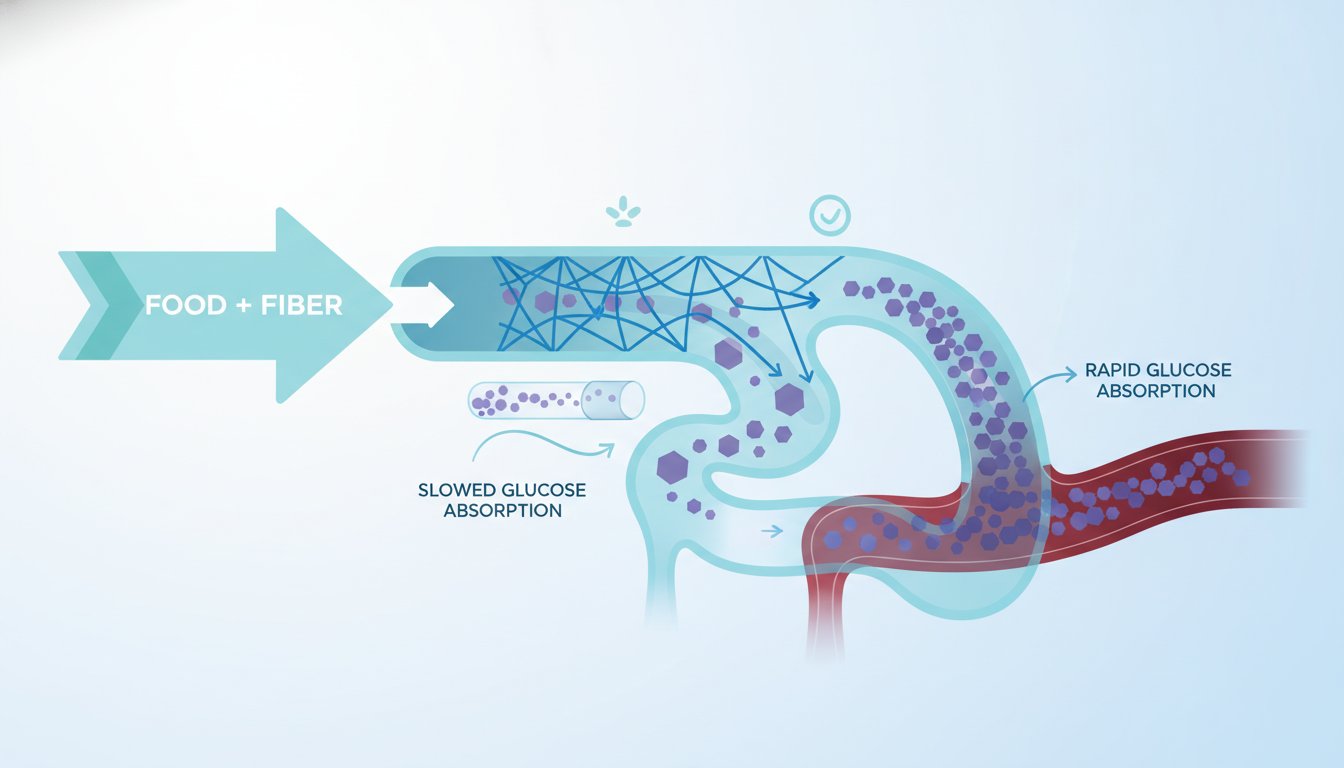
At its core, fiber is a type of carbohydrate that your body cannot digest. Unlike sugar or starch, which break down into glucose and enter your bloodstream quickly, fiber passes through your digestive system relatively intact. This unique characteristic is exactly why it is so effective at stabilizing blood glucose.
When you consume fiber alongside carbohydrates, it acts like a physical barrier. It slows down the rate at which your stomach empties and delays the absorption of sugar into your bloodstream. By "flattening the curve" of your glucose response, fiber helps prevent the rapid spikes that often occur after eating processed meals or simple sugars.
The Two Main Types of Fiber
Not all fiber works the same way. To manage your glucose effectively, it helps to know the two primary categories:
- Soluble Fiber: This type dissolves in water to form a gel-like substance. It is particularly effective at slowing digestion and improving insulin sensitivity. You can find high amounts of soluble fiber in oats, beans, lentils, apples, and blueberries.
- Insoluble Fiber: This type adds bulk to your stool and helps food move through the digestive tract. While it may not have as dramatic an effect on blood sugar as soluble fiber, it is essential for overall digestive health and long-term metabolic function. Look for this in whole grains, nuts, cauliflower, and green beans.
Why Fiber Matters for Your Long-Term Health
Beyond the immediate benefit of preventing post-meal spikes, increasing your fiber intake is associated with improved A1C levels—the measurement of your average blood sugar over the past 3 months. When your glucose stays within your target range more consistently, you reduce the strain on your body to produce or utilize insulin.
Consistent glucose levels also lead to more stable energy throughout the day. Instead of experiencing the mid-afternoon "fog" that often follows a high-glycemic lunch, a fiber-rich meal keeps your fuel release steady and predictable. If you are interested in learning more about how your daily habits affect these patterns, check out our guide to understanding time in range to see why stability is just as important as your average reading.
Practical Steps to Increase Your Fiber Intake
Transitioning to a higher-fiber diet does not have to happen overnight. In fact, it is better to increase your intake gradually to allow your digestive system to adjust. Here are three simple ways to start:
1. The "Fiber First" Approach
Try starting your meal with a fiber-rich appetizer, such as a side salad or a small bowl of vegetable soup. By consuming fiber before your main carbohydrate source, you effectively "prime" your system, reducing the magnitude of the glucose spike that follows. You can learn more about how the sequence of your food impacts your levels in our post on food order for blood sugar control.
2. Choose Whole Over Refined
When shopping, look for "whole" on the label. Swap white rice for quinoa or barley, and choose whole-grain breads that contain at least 3 grams of fiber per serving. These small switches make a cumulative difference in your daily glucose stability.
3. Add Seeds and Legumes
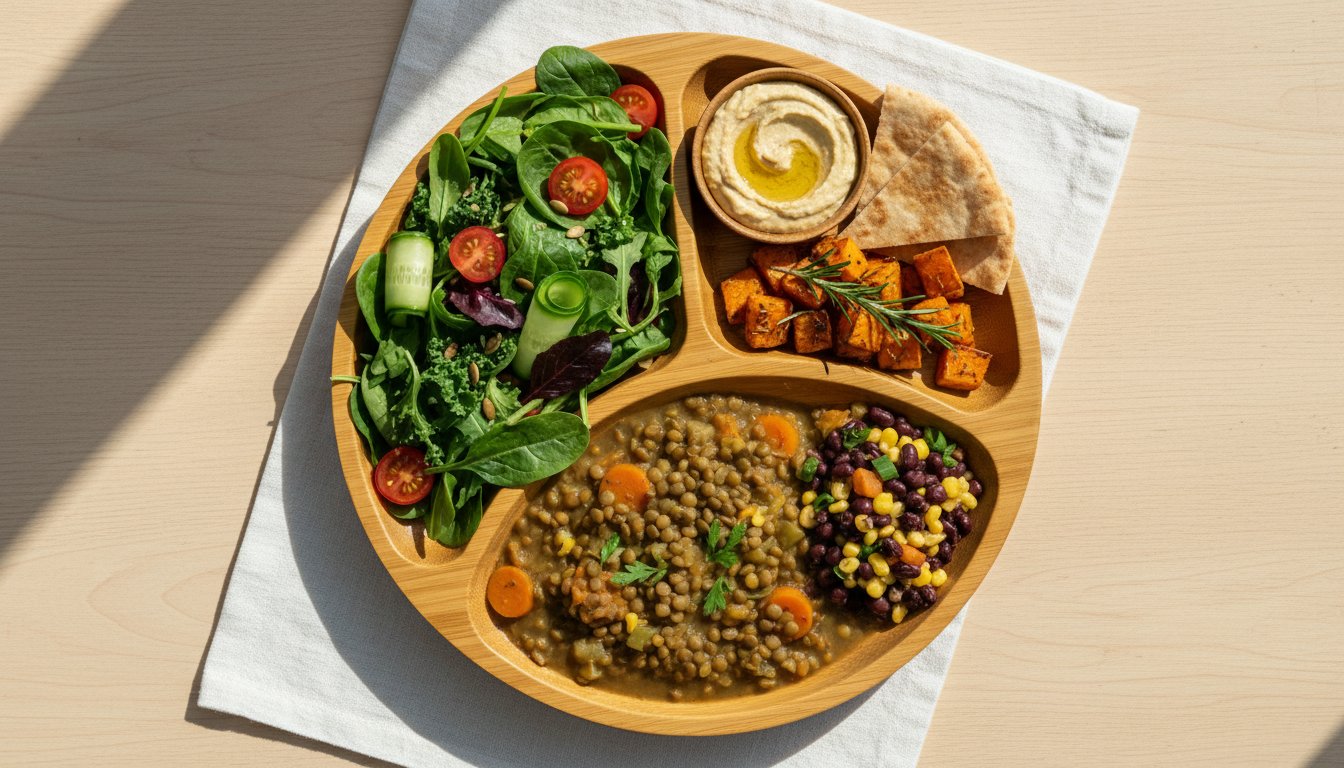
Legumes, like lentils and chickpeas, are an incredible source of both fiber and plant-based protein. Similarly, sprinkling chia or flax seeds onto yogurt or oatmeal can provide a quick boost of soluble fiber without requiring extensive meal prep.
Troubleshooting Common Challenges
Issue: Digestive Discomfort
Solution: If you increase fiber too quickly, you may experience bloating or gas. The key is to start slow and increase your intake by only a few grams per week. Most importantly, you must increase your water intake. Fiber needs water to move through your body; without enough hydration, it can have the opposite effect on your digestion. For more tips on staying balanced, see our article on hydration and blood glucose.
Issue: Not Seeing Results
Solution: Fiber is effective, but it is not a "magic bullet" that allows for unlimited carbohydrates. You still need to monitor how your specific body reacts to different foods. Using a continuous glucose monitor (CGM) or a manual meter, combined with glucose tracking tools like GlucoAI, allows you to observe exactly how your body responds to fiber-rich meals versus others. By logging your meals, you can identify which fiber sources provide the best stability for your unique metabolic profile.
Tracking Your Success
The best way to know if your fiber strategy is working is through consistent monitoring. Data-driven insights can take the guesswork out of your health management. By observing your glucose trends in an app, you can see the direct correlation between a high-fiber breakfast and a more stable morning, providing the motivation you need to stick with your new habits.
Summary and Next Steps
Boosting your glucose stability through fiber is one of the most effective, evidence-based lifestyle changes you can make. By slowing the absorption of glucose, you protect your body from sharp spikes and set the stage for better long-term outcomes.
Key Takeaways:
- Prioritize Soluble Fiber: Focus on foods like beans, oats, and berries to slow digestion.
- Sequence Your Meals: Eat your fiber-rich vegetables before your starches.
- Hydrate: Always drink plenty of water when increasing fiber to support digestion.
- Monitor and Adjust: Use glucose tracking tools to see how your body responds to different fiber sources.
Small, consistent changes are the foundation of sustainable health. Start by adding one extra serving of vegetables to your dinner tonight. If you are ready to see how your body responds to these changes in real-time, GlucoAI is here to help you track your progress and make sense of your glucose data. Please consult your doctor before making significant changes to your diet, especially if you are on medication for diabetes, to ensure your plan is safe and effective for your specific needs.
GlucoAI — Smart Blood Sugar Monitor
Track, analyze, and optimize your glucose levels with AI-powered insights.