
- Published on
Post-Meal Walking: Optimal Timing for Blood Sugar Control
Have you ever finished a satisfying meal only to feel that sluggish, heavy sensation as your blood sugar begins to climb? You aren’t alone. For many of us managing metabolic health, the post-meal window is the most challenging time of the day. But what if the secret to smoother glucose levels wasn't just about what you eat, but what you do immediately after?
The practice of taking a "glucose walk"—a short, intentional stroll after eating—is one of the most effective, evidence-based tools for stabilizing blood sugar. By understanding the science behind timing and intensity, you can transform a simple walk into a powerful metabolic intervention.
Why Post-Meal Walking Works
When you eat, especially carbohydrates, your body breaks them down into glucose (sugar), which enters your bloodstream. In a healthy metabolic state, your body releases insulin to help move that sugar into your cells for energy. If you are living with diabetes or insulin resistance, this process can be less efficient, leading to post-prandial (after-meal) glucose spikes.
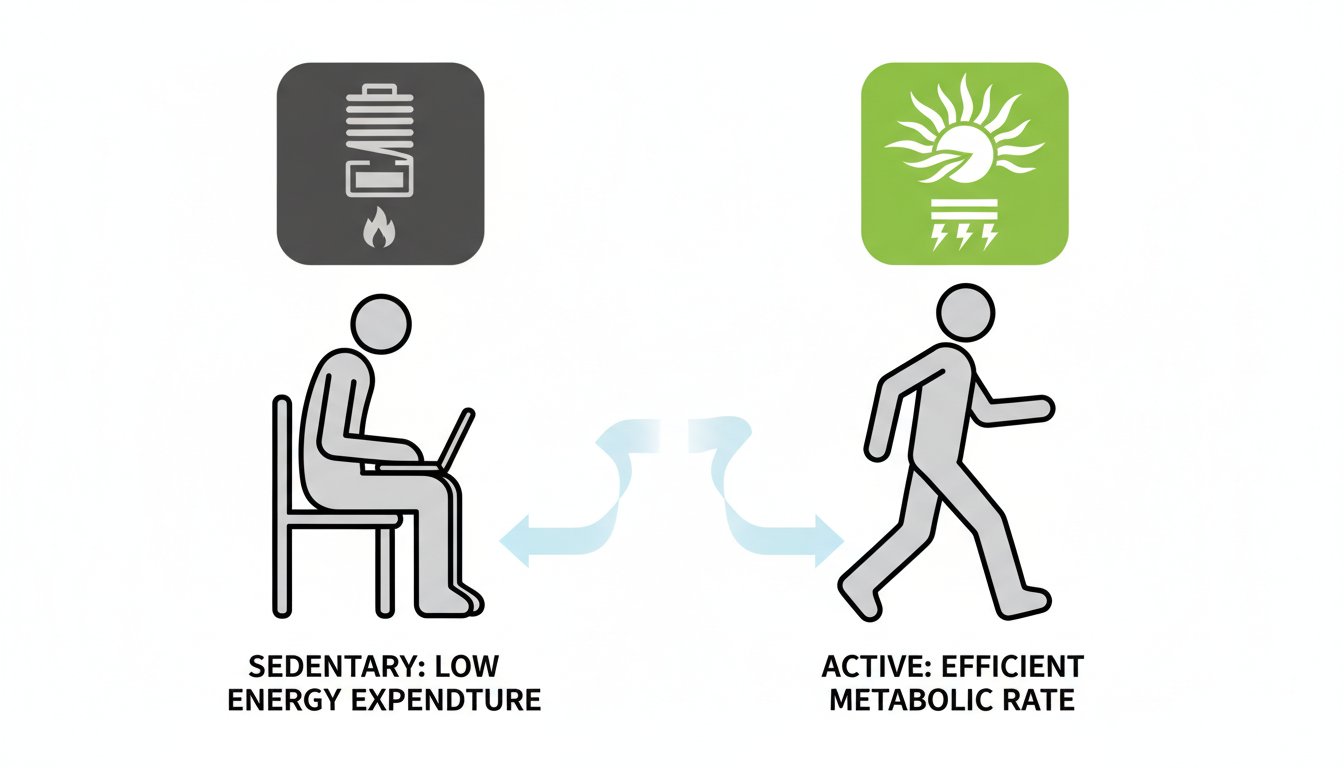
Physical activity acts as a "shortcut" for your body. When your muscles contract during a walk, they become more efficient at absorbing glucose from the bloodstream without needing as much insulin. This process is known as insulin-independent glucose uptake. Essentially, you are giving your muscles a direct line to the sugar circulating in your blood, preventing it from lingering and causing a spike.
The Golden Window: When to Start Your Walk
Timing is everything when it comes to blood sugar management. While any movement is better than no movement, research suggests that timing your walk shortly after you finish eating yields the most significant results.
The 10-to-30-Minute Rule
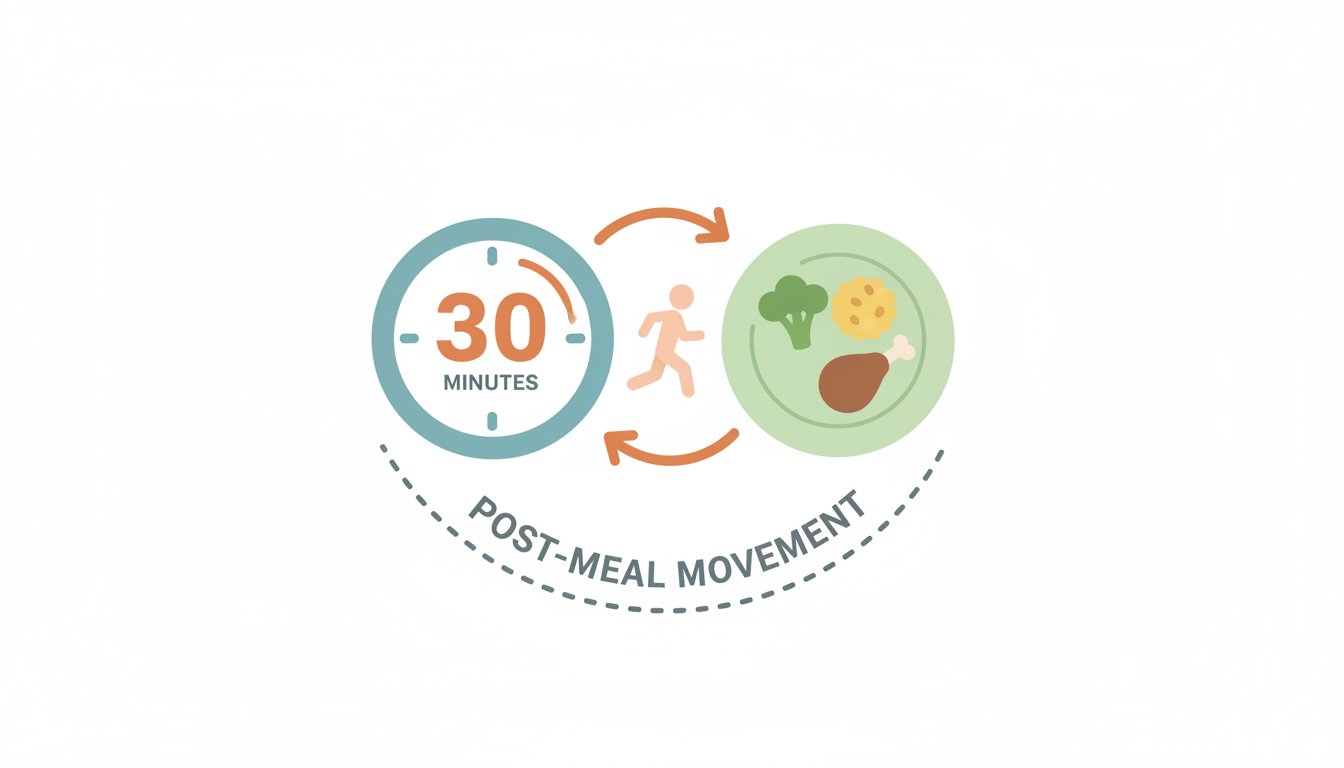
Aim to start your walk within 10 to 30 minutes after finishing your meal. This is when your blood glucose levels are typically beginning their upward trajectory. By engaging your muscles during this early phase, you can blunt the "peak" of the spike before it gets too high.
If you wait an hour or more, your body may have already mounted a stronger insulin response, and the glucose may have already reached its peak. Starting early allows you to intercept the sugar rush while it is still in the early stages of absorption.
Why Duration Matters Less Than You Think
You don’t need to run a marathon or walk for an hour to see results. Studies have shown that even a light, 10-to-15-minute walk can significantly lower post-meal glucose levels. If you are busy, prioritize consistency over length. A short, frequent walk after lunch and dinner is often more beneficial for long-term glycemic control than one long, strenuous workout once a day.
Adjusting Your Pace for Optimal Results
Not all walks are created equal. While a leisurely stroll is better than sitting on the couch, adjusting your pace can change how your body processes glucose.
The "Conversational" Pace
For most people, a brisk, conversational pace is the "sweet spot." You should be moving fast enough to feel a slight increase in your heart rate and breath, but still able to carry on a conversation. This intensity is enough to signal your muscles to pull in glucose efficiently without putting undue stress on your body or triggering a stress-hormone-induced glucose spike (which can happen with overly intense, anaerobic exercise).
When to Slow Down
If you are new to exercise or struggling with high glucose levels, listen to your body. Intense exercise can sometimes cause a temporary rise in blood sugar because the body releases stored glucose in response to "fight or flight" stress. If you find your numbers going up instead of down after a walk, try slowing your pace. A gentle, steady walk is often the best approach to keep your metabolic system calm and balanced.
Practical Tips to Build the Habit
Knowing the science is one thing; making it a daily habit is another. Here is how to integrate post-meal walking into your routine:
- Prepare your environment: If you work from home, have your walking shoes by the door. If you are at an office, keep a pair of comfortable sneakers under your desk.
- The "Two-Song" Strategy: If you struggle to commit to a 15-minute walk, start with the length of two of your favorite songs. It’s a low-barrier way to get moving.
- Use your tools: Many people find it helpful to track their glucose in real-time using a Continuous Glucose Monitor (CGM). By seeing the immediate impact of your 10-minute walk on your screen, you get the positive reinforcement you need to keep going. Using glucose tracking apps can help you log your walks and correlate them with your glucose trends, making it easier to see what pace and timing work best for your unique physiology.
Troubleshooting Common Issues
"I don't have time for a walk."
If you have a packed schedule, look for "movement snacks." Can you walk to the kitchen and back? Can you pace while on a phone call? Even standing or moving around your home for 5 minutes is better than sitting immediately after eating.
"My blood sugar drops too low."
If you use insulin or other medications that can cause hypoglycemia (low blood sugar), please consult your doctor before starting a new exercise routine. You may need to adjust your medication or have a small, balanced snack before your walk. Your doctor can help you find a safe balance.
Results You Can Expect
By making post-meal walking a part of your daily rhythm, you aren’t just managing a single number—you are improving your overall metabolic health. Over time, you may notice:
- Reduced glucose variability: Fewer sharp peaks and deep valleys in your daily charts.
- Improved insulin sensitivity: Your body becomes better at handling carbohydrates over time.
- Better long-term A1C: Consistent post-meal management contributes to a healthier average over three months.
Summary and Next Steps
The simple act of walking after a meal is one of the most powerful tools in your diabetes management kit. By starting your walk 10–30 minutes after you eat and maintaining a brisk, conversational pace, you can significantly reduce post-meal glucose spikes.
Consistency is your best friend here. Start small, track your results, and pay attention to how your body responds. If you want to see how these small changes impact your health over time, consider using GlucoAI to track your meals, walks, and blood sugar trends. Seeing your progress in one place makes it much easier to stay motivated and refine your routine.
Please note: Always consult with your healthcare provider or a registered dietitian before making significant changes to your exercise or diabetes management plan.
Ready to see the impact? Start by taking a 10-minute walk after your next meal and log your glucose levels to see the difference for yourself. Small, consistent actions lead to the biggest improvements in your metabolic health journey.
GlucoAI — Smart Blood Sugar Monitor
Track, analyze, and optimize your glucose levels with AI-powered insights.