
- Published on
Managing Stress-Induced Blood Glucose Spikes
Managing Stress-Induced Blood Glucose Spikes
Have you ever noticed your blood sugar levels climbing even when you haven’t eaten a single gram of carbohydrates? It can be incredibly frustrating to see a high reading on your monitor after doing everything "right" with your diet. If this sounds familiar, you aren’t alone—and it isn’t in your head. Stress is a powerful, often overlooked driver of glucose fluctuations, and understanding how it affects your body is a vital step in gaining better control over your metabolic health.
The Science of Stress and Your Glucose
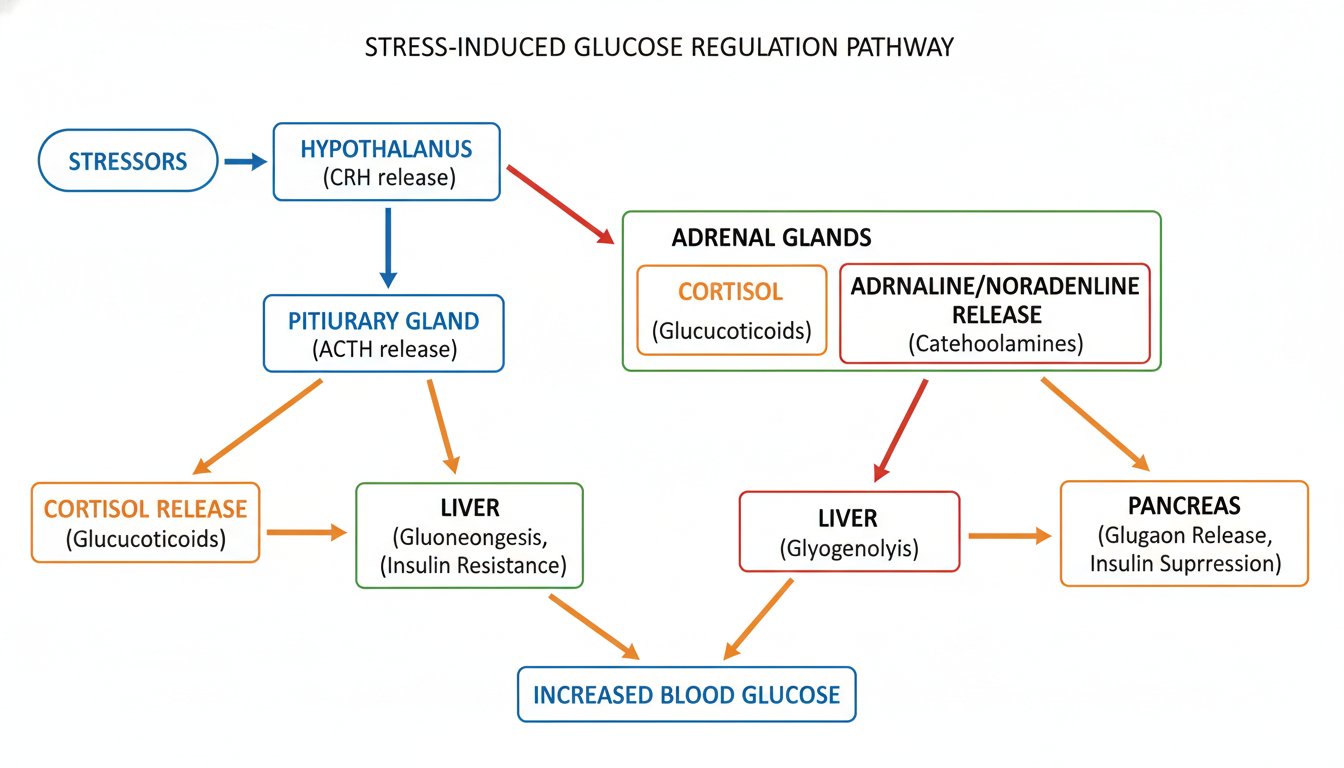
When you experience stress—whether it is a looming work deadline, a difficult conversation, or even physical exhaustion—your body initiates a "fight or flight" response. This evolutionary mechanism is designed to prepare you for immediate action.
During this process, your adrenal glands release a cocktail of hormones, most notably cortisol and adrenaline. These hormones signal your liver to release stored glucose (glycogen) into your bloodstream to provide your muscles with the quick energy they need to "flee" or "fight."
For someone living with diabetes or working to manage metabolic health, this extra fuel becomes problematic. Because your body may not be able to effectively process this sudden surge of glucose—or because the insulin you have available is not quite enough to cover the internal release—you see a spike on your glucose monitor. Unlike a meal-based spike, which you can often predict, these cortisol-driven surges can feel unpredictable and stubborn.
Why Cortisol Matters for Your A1C
You might be wondering if a few stressful days really matter in the long run. Unfortunately, chronic stress can have a cumulative effect. When your body is in a state of persistent tension, cortisol levels remain elevated. This can lead to increased insulin resistance, making it harder for your cells to absorb glucose efficiently.
Over time, this cycle of elevated cortisol and insulin resistance can impact your A1C, which is your average blood sugar level over the past three months. While we often focus heavily on nutrition and exercise, managing your internal environment is just as important. If you are struggling to keep your numbers in range despite a balanced diet, it may be time to look at your stress management toolkit.
If you want to see exactly how your lifestyle choices—including stress levels—impact your numbers, using a tool like GlucoAI can help. By logging your stress levels alongside your glucose data, you can start to identify patterns and see how specific events correlate with your spikes.
Practical Strategies to Mitigate Stress-Induced Spikes
You cannot eliminate all stress from your life, but you can change how your body responds to it. Here are four actionable ways to dampen the glucose impact of a stressful day.
1. Prioritize "Micro-Breaks" for Nervous System Regulation
When you feel your heart rate rising, your body is already starting that glucose release. Instead of powering through, take a 3-minute break to reset. Deep, diaphragmatic breathing—where you exhale longer than you inhale—can physically switch your nervous system from "fight or flight" to "rest and digest." This simple shift can help prevent the secondary release of stress hormones.
2. Move Your Body (Gently)
If you notice a spike during a period of high stress, a gentle walk can be incredibly effective. Physical movement helps your muscles utilize that extra glucose circulating in your bloodstream. You don't need a high-intensity workout; even a 10-minute stroll can help bring your levels back toward your target range. For more tips on how movement influences your numbers, check out our related article on exercise timing.
3. Practice Mindful Monitoring
Sometimes, the act of checking your glucose during a high-stress moment can cause more stress. If you find yourself obsessing over numbers, try to use your data as a tool for curiosity rather than judgment. Acknowledge the spike, note the stressor, and focus on one small action to help your body recover. If you're interested in learning more about how to interpret these trends, our guide on interpreting CGM data is a great resource.

4. Build a "Buffer" with Sleep
Sleep deprivation is a major physiological stressor. When you are tired, your body is naturally more insulin resistant the next day. Prioritizing consistent sleep hygiene helps your body maintain a lower baseline of stress hormones, making you more resilient to the challenges of the day. You can learn more about this connection in our post on sleep quality and morning blood sugar control.
Troubleshooting Your Glucose Trends
"I see a spike, but I didn't eat anything. What do I do?"
Solution: First, take a deep breath. Check your surroundings: are you in a high-pressure situation? If so, try to remove yourself from the environment if possible, or engage in a quick breathing exercise. Don't immediately correct with extra insulin (if you are on insulin therapy) without first consulting your doctor, as stress-induced spikes can sometimes drop rapidly once the stressor passes.
"My numbers are consistently high during the work week."
Solution: This suggests that your environment is the primary stressor. Try to identify "anchor points" in your day—maybe a morning meditation or a dedicated lunch break away from your desk—to create a sense of control. Tracking these periods in a glucose tracking app will help you see if these habits actually move the needle on your daily average.
Summary: Taking Control of Your Metabolic Health
Managing stress is not just about "relaxing"—it is a core pillar of metabolic health. By understanding that cortisol is a biological trigger for glucose, you can move away from self-blame and toward proactive management.
Key Takeaways:
- Stress is a biological trigger: Cortisol signals the liver to release glucose, leading to spikes without food intake.
- Consistency is key: Chronic stress impacts insulin sensitivity and can affect your long-term A1C.
- Actionable recovery: Use breathing, gentle movement, and better sleep to regulate your nervous system.
- Track to learn: Use tools like GlucoAI to identify the specific stressors that impact your unique glucose profile.
Remember, you don't have to be perfect. Even small changes in how you handle stress can have a significant, positive impact on your blood sugar stability. If you are ever unsure about how to adjust your management plan, please consult your doctor to ensure your approach is safe and tailored to your specific medical needs.
Ready to gain deeper insights into your glucose patterns? Start tracking your daily habits and stress levels with GlucoAI today—your journey to better metabolic balance is just one step away.
GlucoAI — Smart Blood Sugar Monitor
Track, analyze, and optimize your glucose levels with AI-powered insights.