
- Published on
Travel Tips: Protecting Insulin and CGM Accuracy
Travel Tips: Protecting Insulin and CGM Accuracy
Whether you are heading to a sunny beach resort or a chilly mountain retreat, travel is an exciting opportunity to explore the world. However, if you are living with diabetes, your gear requires a little extra attention. Temperature fluctuations, long flights, and changing time zones can impact the effectiveness of your insulin and the accuracy of your Continuous Glucose Monitor (CGM).
Understanding how environmental factors influence your medical supplies is essential for a stress-free trip. By taking proactive steps to protect your devices and medication, you can spend less time worrying about your numbers and more time enjoying your destination.
The Impact of Temperature on Insulin Stability
Insulin is a delicate protein-based medication that is highly sensitive to extreme temperatures. When insulin is exposed to excessive heat or freezing conditions, it can begin to break down, losing its potency. If your insulin loses its effectiveness, it won't lower your blood sugar as expected, which can lead to frustrating and unnecessary spikes.
Why Heat and Cold Matter
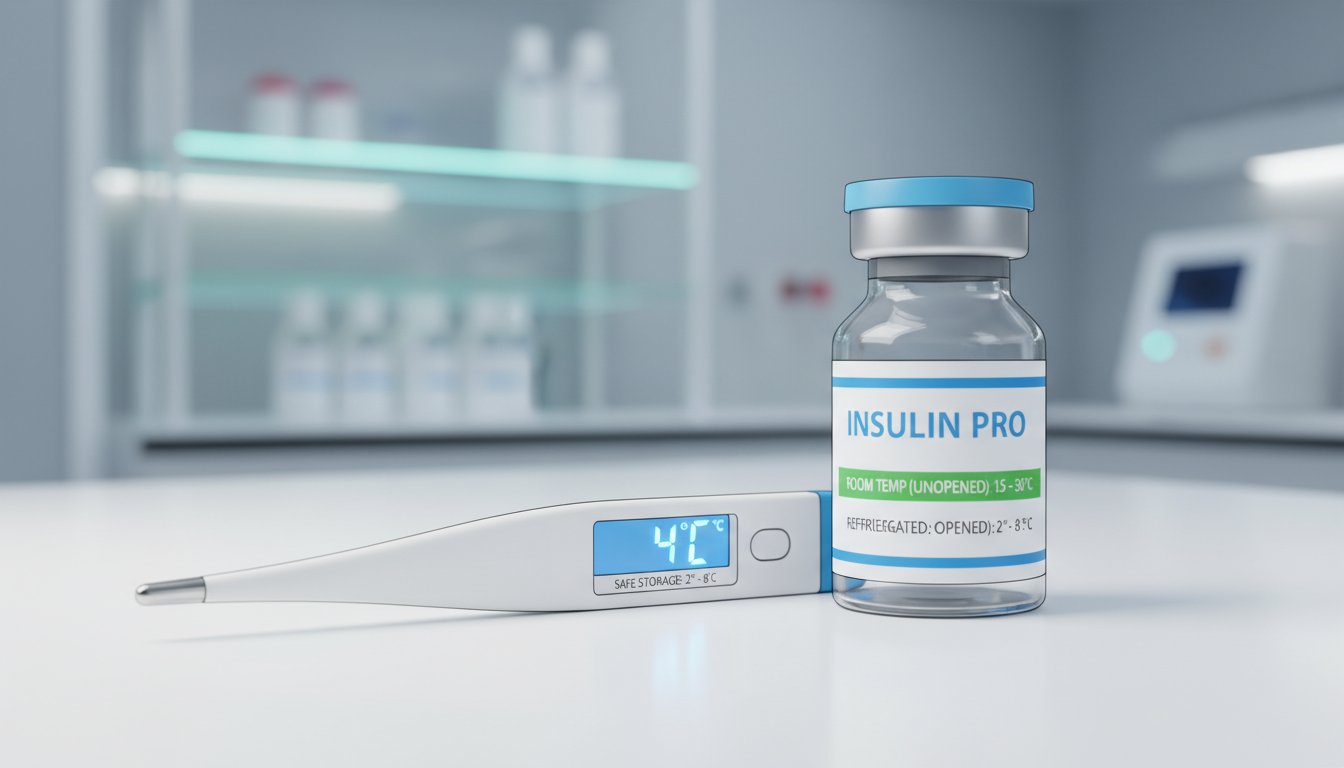
Most manufacturers recommend storing unopened insulin in a refrigerator between 36°F and 46°F. Once in use, it is generally stable at room temperature—typically defined as 59°F to 86°F—for about 28 days.
When you travel, you face two primary risks:
- Heat Damage: Leaving insulin in a hot car, a sun-drenched hotel room, or a bag on the tarmac can quickly push it past its safe storage range. Once insulin starts to denature (break down), it cannot be "fixed" by cooling it back down.
- Freezing Damage: It might seem safer to keep insulin near ice packs, but direct contact with frozen gel packs can cause the insulin to freeze, which also renders it ineffective.
Pro Tip: Always use a dedicated, insulated travel pouch designed for medical supplies. These cases provide a buffer against extreme temperatures without the risk of direct freezing.
How Temperature Impacts CGM Accuracy
A CGM (Continuous Glucose Monitor) is a marvel of modern technology, but like any sensitive electronic device, it has limits. Extreme heat can affect the chemical reactions occurring within the sensor’s filament, while extreme cold can impact the sensor's ability to maintain a consistent connection and provide accurate readings.
The Role of Body Temperature and Environment
When you are traveling, your body might experience stress from heat, humidity, or high altitudes. These factors, combined with the environment the sensor is exposed to, can lead to "sensor drift" or inaccurate readings.
If you are swimming in very cold water or lounging in a hot sauna, your CGM might struggle to report your blood sugar levels correctly. In these instances, the sensor might display a "sensor error" or show a value that doesn't match how you feel. If your reading seems off, the most reliable practice is to perform a manual fingerstick test with a blood glucose meter to verify your levels.
Strategies for Sensor Reliability
- Shield the Sensor: If you are in direct, intense sunlight, consider wearing a loose-fitting garment over your sensor site to prevent it from overheating.
- Stay Hydrated: Travel often leads to dehydration, which can skew glucose readings. Ensuring you are well-hydrated helps your body—and your sensor—maintain better stability.
- Monitor for Compression Lows: If you are traveling on a long flight and tend to sleep against the arm where your sensor is placed, you might trigger a "false low" due to pressure on the sensor. Be mindful of your positioning during long-haul travel.
Practical Tips for Stress-Free Travel
Preparation is the best way to ensure your metabolic health remains stable throughout your journey. By following a structured approach to your packing and transit, you can minimize the impact of travel on your glucose management.
1. Carry-On is Non-Negotiable
Never check your insulin or CGM supplies in your luggage. The cargo hold of an airplane can experience extreme temperature drops—sometimes reaching freezing levels—that will destroy your insulin. Always keep your supplies in your carry-on bag where the temperature is controlled.
2. Prepare for Security Checks
Security personnel are generally well-versed in medical devices, but it is always helpful to have a clear plan.
- Keep all your supplies in their original packaging.
- Carry a letter from your doctor explaining that you are traveling with medical devices.
- If you have a CGM, inform the security agent before you go through the scanner. Some sensors and insulin pumps should not go through full-body X-ray machines.
3. Pack Extra Supplies
Travel is unpredictable. Always pack at least 50% more supplies than you think you will need. If you are going for a week, pack enough for at least 10 or 11 days. This buffer accounts for potential sensor failures, damaged supplies, or unexpected travel delays.
4. Leverage Technology
Using a digital management tool can simplify your life significantly while traveling. By using an app like GlucoAI, you can keep a digital log of your glucose trends, which helps you identify how travel-related stress or changes in your meal routine affect your numbers. Tracking these patterns allows you to make informed adjustments to your insulin or diet in real-time.
Troubleshooting Common Issues
Issue: My CGM is showing erratic readings
Solution: If you suspect the environment is the culprit, move to a temperature-neutral area for 15 to 30 minutes. If the readings don't stabilize, perform a fingerstick check. If the meter and the sensor remain significantly different, contact the manufacturer's support line for your specific device.
Issue: My insulin feels warm after a long day
Solution: If your insulin has been exposed to temperatures above 86°F for an extended period, it is safer to assume it has lost some potency. If you notice your blood sugar levels are uncharacteristically high despite taking your usual doses, it is time to switch to a fresh, properly stored vial or pen.
Summary and Key Takeaways
Traveling with diabetes requires a bit of logistical planning, but it should never stop you from seeing the world. By keeping these principles in mind, you can protect your supplies and maintain your health:
- Protect your insulin: Keep it away from extreme heat and direct freezing. Use insulated medical travel cases.
- Verify your readings: If your CGM is exposed to extreme temperatures or shows results that don't match your symptoms, always use a traditional blood glucose meter to verify.
- Pack extra: Always bring more supplies than you need, and keep them in your carry-on bag to avoid the temperature extremes of the cargo hold.
- Stay organized: Consistent tracking is your best friend on the road. Using tools like GlucoAI helps you keep an eye on your trends, making it easier to manage your metabolic health while on the go.
Before your next trip, take a moment to review your travel health plan. If you are concerned about how travel might impact your specific medication or CGM, please consult your doctor for personalized advice. With the right preparation, you can enjoy your journey with confidence and stability.
Disclaimer: This blog post is for educational purposes only and does not constitute medical advice. Always consult with your healthcare provider before making changes to your diabetes management routine or travel plans.
GlucoAI — Smart Blood Sugar Monitor
Track, analyze, and optimize your glucose levels with AI-powered insights.