
- Published on
Cold Exposure and Glucose: Boosting Metabolic Health
Have you ever noticed how a brisk morning walk in the autumn air seems to leave you feeling more energized than a workout in a stuffy gym? While we often focus on nutrition and exercise to manage our blood sugar, there is an emerging, chilly frontier in metabolic health: cold exposure.
For many people living with diabetes or working to optimize their metabolic health, the goal is always the same: achieving better stability and improving insulin sensitivity (how effectively your body uses insulin to lower blood sugar). While diet and movement are the pillars of this journey, cold exposure—the practice of intentionally exposing the body to cold temperatures—is gaining traction as a powerful tool to support those efforts.
Understanding the metabolic response to cold
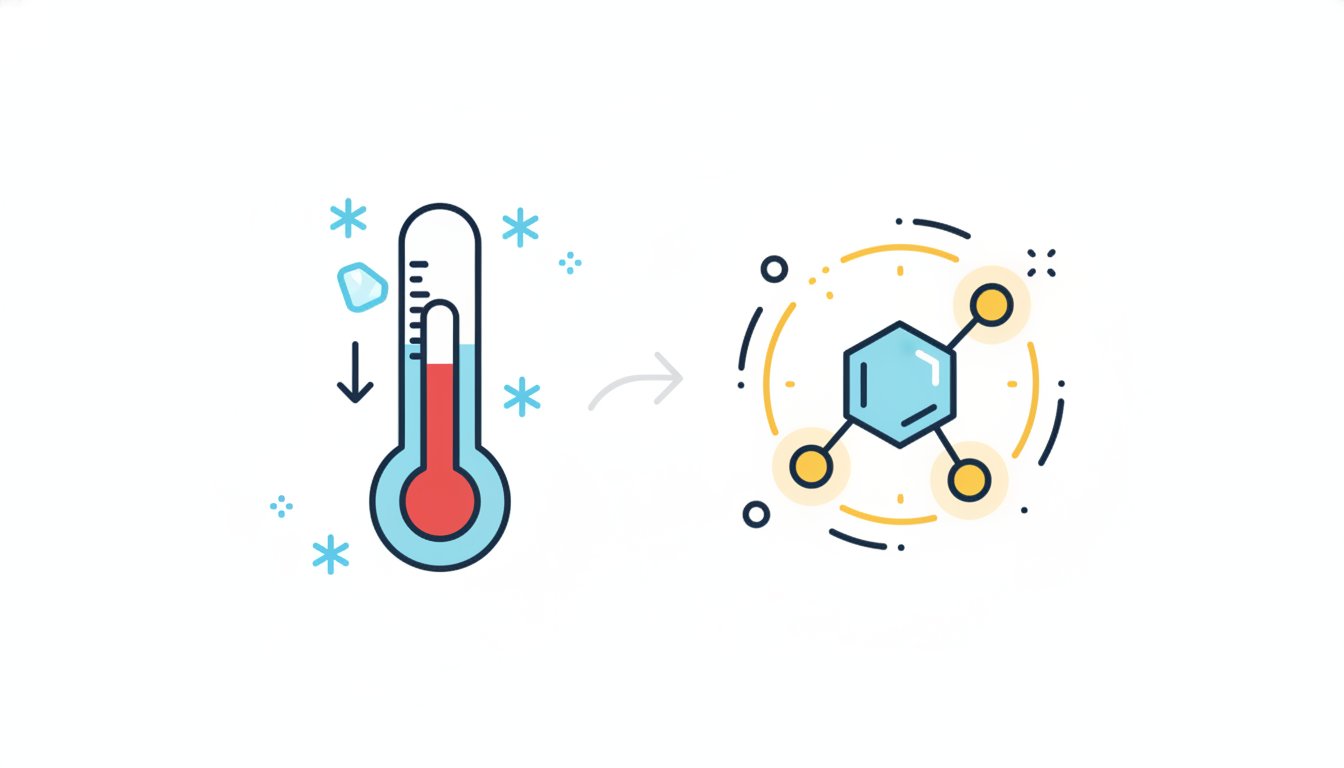
When your body is exposed to cold, it initiates a series of physiological responses designed to keep your core temperature stable. This isn't just about shivering; it is a complex metabolic activation. The primary mechanism at play involves "brown adipose tissue," or brown fat.
Unlike white fat, which stores energy, brown fat acts like a furnace. It contains a high density of mitochondria—the powerhouses of your cells—which burn glucose and lipids (fats) to generate heat. When you are exposed to cold, your body recruits this brown fat to help maintain your internal temperature. As your brown fat activates, it effectively pulls glucose out of your bloodstream to fuel this heat-production process, which can help improve your overall metabolic flexibility.
The connection between cold and insulin sensitivity
Insulin sensitivity is a cornerstone of managing blood sugar. If your body is resistant to insulin, it struggles to move glucose from the blood into your cells, leading to higher levels circulating in your system. Research suggests that regular cold exposure may help "sensitize" your tissues to insulin, making it easier for your body to manage glucose throughout the day.
When your muscles and brown fat are activated by cold, they become more efficient at utilizing the energy available in your bloodstream. This is a significant advantage for anyone looking to flatten the curve of their glucose spikes. By increasing the metabolic demand on your body in a controlled way, you are essentially training your cells to be more responsive to insulin.
Practical ways to incorporate cold exposure
You don’t need to jump into a frozen lake to reap these benefits. In fact, for those new to cold therapy, starting slow is the safest and most sustainable approach. Always remember to listen to your body and, as with any change to your health routine, please consult your doctor before starting cold exposure, especially if you have existing cardiovascular or nerve-related complications from diabetes.
1. The cold shower finish
The easiest way to begin is by ending your morning shower with 30 to 60 seconds of cold water. Gradually increase the duration as you become more comfortable. This brief burst is enough to trigger a mild metabolic response without causing extreme stress.
2. Lowering the thermostat
Sleeping in a cooler room, typically around 65°F (18°C), has been linked to improved metabolic markers. A cooler environment encourages your body to keep its internal metabolic processes active overnight, which may contribute to better morning glucose readings.
3. Outdoor activity in cooler air
If you enjoy walking, try shifting your routine to the early morning or cooler months. Exercising in cooler temperatures adds a layer of cold-induced metabolic demand to your standard movement, potentially compounding the benefits for your blood sugar control.

Monitoring your results with GlucoAI
The key to understanding how cold exposure affects your unique physiology is through consistent tracking. What works for one person might have a different impact on another. This is where glucose tracking tools become essential. By using a CGM (Continuous Glucose Monitor), you can observe your real-time data and see how your body reacts to these cold-induced challenges.
With a platform like GlucoAI, you can log your cold exposure sessions alongside your glucose trends. Over time, you might notice patterns—perhaps your post-exposure blood sugar levels are more stable, or your fasting glucose trends downward after a week of consistent cold showers. Seeing this data in black and white is incredibly empowering; it turns a "wellness trend" into a personalized health strategy.
Potential risks and considerations
While the potential benefits are exciting, cold exposure is a form of physiological stress. It is important to approach it with caution:
- Peripheral Neuropathy: If you have diabetes-related nerve damage (neuropathy) in your feet or hands, be very careful with cold exposure. Your ability to sense temperature might be impaired, which increases the risk of cold-induced injury.
- Cardiovascular strain: The initial shock of cold water causes blood vessels to constrict, which can temporarily raise blood pressure. If you have heart health concerns, definitely speak with your healthcare provider first.
- Consistency over intensity: It is better to do a short, daily cold exposure than an occasional, extreme session. The goal is to build metabolic resilience, not to shock your system to the point of exhaustion.
Summary
Cold exposure is a fascinating, low-cost intervention that could provide a valuable boost to your metabolic health. By engaging your body’s natural heating systems, you can improve insulin sensitivity and support more stable glucose levels.
Key takeaways:
- Brown fat activation: Cold exposure triggers brown fat to burn glucose for heat, which can aid in blood sugar management.
- Improved insulin sensitivity: Regular exposure can help your cells become more efficient at utilizing glucose.
- Start slow: Begin with short, cold shower finishes or cooler sleeping environments rather than extreme methods.
- Track your data: Use tools like GlucoAI to log your sessions and observe how your body specifically responds to cold.
- Safety first: Always consult your doctor, especially if you have complications like neuropathy or heart conditions.
The journey to stable glucose is built on small, consistent habits. Whether it’s adjusting your food order, optimizing your sleep, or adding a minute of cold water to your shower, every step counts toward a more balanced life. If you are ready to see how your lifestyle choices truly impact your numbers, start tracking your progress with GlucoAI today and see the difference for yourself.
GlucoAI — Smart Blood Sugar Monitor
Track, analyze, and optimize your glucose levels with AI-powered insights.