
- Published on
7 Bedtime Snacks for Stable Morning Blood Sugar
Have you ever gone to bed with a perfect blood sugar reading, only to wake up with a frustratingly high number in the morning? You are not alone. It is incredibly common to experience morning blood sugar spikes even when you feel like you did everything right. Finding the right bedtime snacks for stable morning blood sugar can be a game-changer in keeping your overnight numbers steady and starting your day with confidence.
When you go many hours without eating during overnight fasting, your body relies on stored energy to keep your systems running. For many people with diabetes or insulin resistance, this fasting period can trigger hormonal shifts that cause blood sugar to climb. Fortunately, eating a small, strategic snack before sleeping can provide a steady source of fuel, preventing overnight fluctuations. Let's explore how a simple evening routine can transform your morning glucose levels.
Why does your blood sugar spike overnight?
To understand how a bedtime snack helps, we first need to look at what happens while you sleep. When you sleep, your body is still hard at work. Two primary physiological events can cause your morning blood sugar to rise unexpectedly: the dawn phenomenon and the Somogyi effect.
The dawn phenomenon occurs when your body naturally releases hormones like cortisol, growth hormone, and glucagon in the early hours of the morning (typically between 3:00 AM and 8:00 AM). These hormones prepare your body to wake up by signaling your liver to release stored glucose into your bloodstream. If your body does not produce enough insulin, or if you have insulin resistance, this glucose release leads to a high morning reading. You can learn more about managing this in our guide on managing the dawn phenomenon.
The Somogyi effect, on the other hand, is a rebound response to hypoglycemia (low blood sugar) during the night. If your blood sugar drops too low while you sleep, your body panics and releases stress hormones to rescue you, causing a sharp rebound spike by morning. To dive deeper into this pattern, read our detailed breakdown of understanding the Somogyi effect.
A carefully chosen bedtime snack acts as a buffer. It prevents your blood sugar from dropping too low, which stops the Somogyi effect. At the same time, it gives your liver a gentle, slow-digesting source of energy, reducing the need for your liver to dump massive amounts of glucose into your bloodstream.
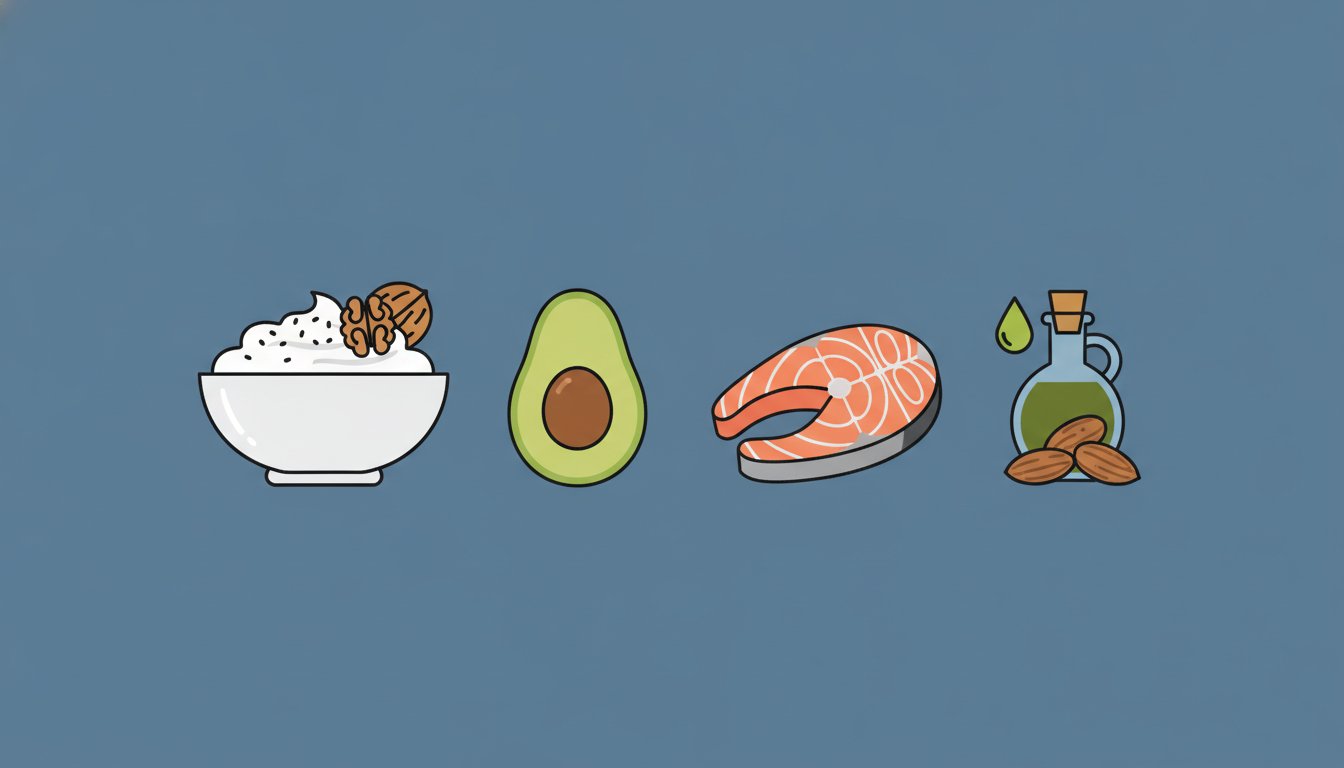
The formula for a perfect glucose-friendly bedtime snack
Not all snacks are created equal when it comes to overnight blood sugar control. A high-carbohydrate snack, like cookies, cereal, or chips, will cause a rapid glucose spike followed by a crash, worsening your overnight stability.
The ideal bedtime snack relies on a balance of three key components:
- Healthy fats: These take the longest to digest, providing a slow, steady release of energy and flattening your post-meal glucose curve.
- Lean protein: Protein stimulates a hormone called glucagon, which helps stabilize insulin levels and keeps you feeling full.
- Complex carbohydrates and fiber: If your snack includes carbohydrates, they must be rich in fiber. Fiber slows down the absorption of glucose into your bloodstream.
By combining these elements, you create a slow-burning fuel source that supports your metabolism through the night without overloading your system.
7 Bedtime snacks for stable morning blood sugar
Here are seven delicious, easy-to-prepare bedtime snacks that utilize this powerful nutritional formula to keep your morning numbers in check.
1. Almonds or walnuts with a few fresh berries
A handful of nuts paired with a small serving of berries is a classic, nutrient-dense option. Almonds and walnuts are packed with monounsaturated fats, protein, and dietary fiber, which have minimal impact on your blood sugar. Berries, such as raspberries or blackberries, are low-glycemic fruits that satisfy your sweet tooth while delivering antioxidants and fiber.
- Why it works: The combination of healthy fats and fiber slows down digestion, ensuring a gradual release of glucose.
- Portion size: 1 ounce of nuts (about a handful) and 1/4 cup of fresh berries.
2. Plain Greek yogurt with chia seeds
Greek yogurt is an excellent source of protein, containing significantly more protein than regular yogurt. Opt for plain, unsweetened Greek yogurt to avoid added sugars. Stirring in a spoonful of chia seeds adds healthy omega-3 fatty acids and soluble fiber.
- Why it works: The high protein content in Greek yogurt keeps you satisfied, while the fiber in chia seeds creates a gel-like substance in your stomach that further slows carbohydrate absorption.
- Portion size: 1/2 cup of Greek yogurt with 1 tablespoon of chia seeds.
3. Celery sticks with natural peanut butter
Celery is naturally low in calories and carbohydrates, making it the perfect crunchy vehicle for rich, creamy peanut butter. Make sure to choose natural peanut butter with no added sugars or hydrogenated oils—the ingredients should ideally just be peanuts and a pinch of salt.
- Why it works: Peanut butter provides the necessary fat and protein to stabilize your overnight glucose, while celery adds hydration and crunch without any carbohydrate load.
- Portion size: 2 medium celery stalks with 1 to 2 tablespoons of peanut butter.
4. Pumpkin seeds (pepitas)
If you prefer a simple, savory snack that requires zero prep time, pumpkin seeds are a fantastic choice. They are incredibly rich in magnesium, a mineral that plays a vital role in insulin sensitivity and glucose metabolism. For more on this beneficial mineral, read about magnesium for glucose control.
- Why it works: Pumpkin seeds contain a balanced ratio of protein, healthy fats, and fiber, making them highly effective at preventing midnight glucose crashes.
- Portion size: 1/4 cup of roasted, unsalted pumpkin seeds.
5. Avocado on a slice of seeded crispbread
Avocado is one of the best sources of healthy monounsaturated fats and soluble fiber. Mashing a quarter of an avocado onto a single, high-fiber seeded crispbread provides a satisfying combination of creamy and crunchy textures.
- Why it works: The high fiber and fat content in this snack ensures that the minimal carbohydrates in the crispbread are absorbed incredibly slowly.
- Portion size: 1/4 of an avocado mashed onto 1 slice of high-fiber seeded crispbread.
6. Low-fat cottage cheese with a dash of cinnamon
Cottage cheese is rich in casein protein, a slow-digesting protein that provides your body with a steady release of amino acids throughout the night. Adding a dash of cinnamon not only enhances the flavor without sugar but also provides antioxidant properties that support insulin action.
- Why it works: Casein protein digests much slower than other proteins, making cottage cheese highly effective at preventing nighttime hypoglycemia and subsequent rebound spikes.
- Portion size: 1/2 cup of cottage cheese with a generous sprinkle of cinnamon.
7. A hard-boiled egg with a handful of baby spinach
Hard-boiled eggs are a convenient, pre-portioned source of high-quality protein and healthy fats. Pairing an egg with a small handful of baby spinach adds beneficial micronutrients and fiber with virtually zero impact on your blood sugar.
- Why it works: Because this snack contains almost no carbohydrates, it keeps your baseline insulin levels low and stable while preventing midnight dips.
- Portion size: 1 large hard-boiled egg and a small handful of baby spinach.
Timing and portion control: Key rules for success
While selecting the right food is crucial, how and when you eat your bedtime snack also plays a major role in your morning results.
First, keep your portions small. A bedtime snack is not meant to be a full meal; it should range between 100 and 150 calories. Overeating before bed can put a strain on your digestive system, disrupt your sleep quality, and lead to unwanted weight gain.
Second, aim to eat your snack approximately 30 to 60 minutes before you go to sleep. This gives your body a chance to begin digesting the food before you lie down, preventing acid reflux and allowing the nutrients to start stabilizing your system as you drift off. To learn more about how late-night habits affect your metabolic health, explore our guide on late-night snacking and your next-day glucose.
Additionally, pay attention to your overall sleep hygiene. Poor sleep quality can elevate cortisol levels, which directly raises blood sugar. You can find practical tips on optimizing your sleep environment in our article on sleep quality and morning blood sugar control.
How to track your overnight glucose response
Every individual's metabolism is unique. A snack that keeps your friend's morning blood sugar perfectly stable might cause a slight rise in yours. The only way to know for sure what works for your body is to track your data.
Using a continuous glucose monitor (CGM) is an incredibly powerful way to see what is happening to your blood sugar while you sleep. A CGM records your glucose levels every few minutes, allowing you to see if your blood sugar is dropping too low in the middle of the night (suggesting the Somogyi effect) or if it remains steady until a sharp rise right before waking (suggesting the dawn phenomenon).
By pairing your CGM data with a glucose tracking app, you can easily log what you ate before bed and compare it to your morning readings. Using a smart tool like GlucoAI allows you to log your meals, track your sleep habits, and analyze your glucose trends effortlessly. Over time, you will build a personalized list of bedtime snacks that keep your metabolism happy and your morning numbers stable.
Summary
Managing morning blood sugar spikes can feel like a puzzle, but adjusting your evening routine is a highly effective place to start.
- Understand the cause: Morning spikes are often driven by the dawn phenomenon (hormone release) or the Somogyi effect (rebound from a nighttime low).
- Balance your plate: Choose bedtime snacks that combine healthy fats, lean protein, and fiber to slow down digestion.
- Keep it light: Limit your bedtime snack to 100 to 150 calories and eat it 30 to 60 minutes before sleeping.
- Track your progress: Use a
CGMand a glucose tracking app to discover which snacks work best for your unique body. - Please consult your doctor or a registered dietitian before making significant changes to your diet or diabetes management plan.
Waking up with stable, healthy blood sugar levels is within your reach. By incorporating these satisfying, nutrient-dense snacks into your evening routine and tracking your patterns, you can take control of your metabolic health and start every morning feeling your best.
If you are ready to take the guesswork out of your glucose tracking, download GlucoAI today. Our intelligent platform helps you log your meals, analyze your trends, and find the perfect habits to support your wellness journey.
GlucoAI — Smart Blood Sugar Monitor
Track, analyze, and optimize your glucose levels with AI-powered insights.