
- Published on
Late-Night Snacking and Your Next-Day Glucose
We have all been there: it is 10:00 PM, the house is quiet, and a sudden craving for a midnight snack hits. While a small treat might seem harmless in the moment, have you ever wondered why your blood sugar readings look a little unusual the following morning?
The relationship between your evening eating habits and your metabolic health is much deeper than just "extra calories." When you eat late at night, you are not just consuming fuel; you are challenging your body’s internal clock and its ability to process glucose—the primary source of energy in your blood—while you sleep. Understanding this connection is a vital step in maintaining stable glucose levels and improving your overall metabolic health.
The Science of Nighttime Digestion
Your body operates on a circadian rhythm, a natural internal process that regulates the sleep-wake cycle and repeats roughly every 24 hours. This clock doesn't just tell you when to feel sleepy; it governs your hormonal responses, including how your pancreas secretes insulin—the hormone responsible for helping your cells absorb glucose.
During the day, your body is primed to process food efficiently. However, as evening approaches and your internal clock shifts toward "rest mode," your insulin sensitivity naturally declines. When you consume a heavy or carbohydrate-rich snack late at night, your body struggles to clear that glucose from your bloodstream as effectively as it would during the afternoon. This leads to higher glucose levels lingering in your system while you are trying to enter a restorative sleep state.
How Late-Night Snacking Affects Your Morning Numbers
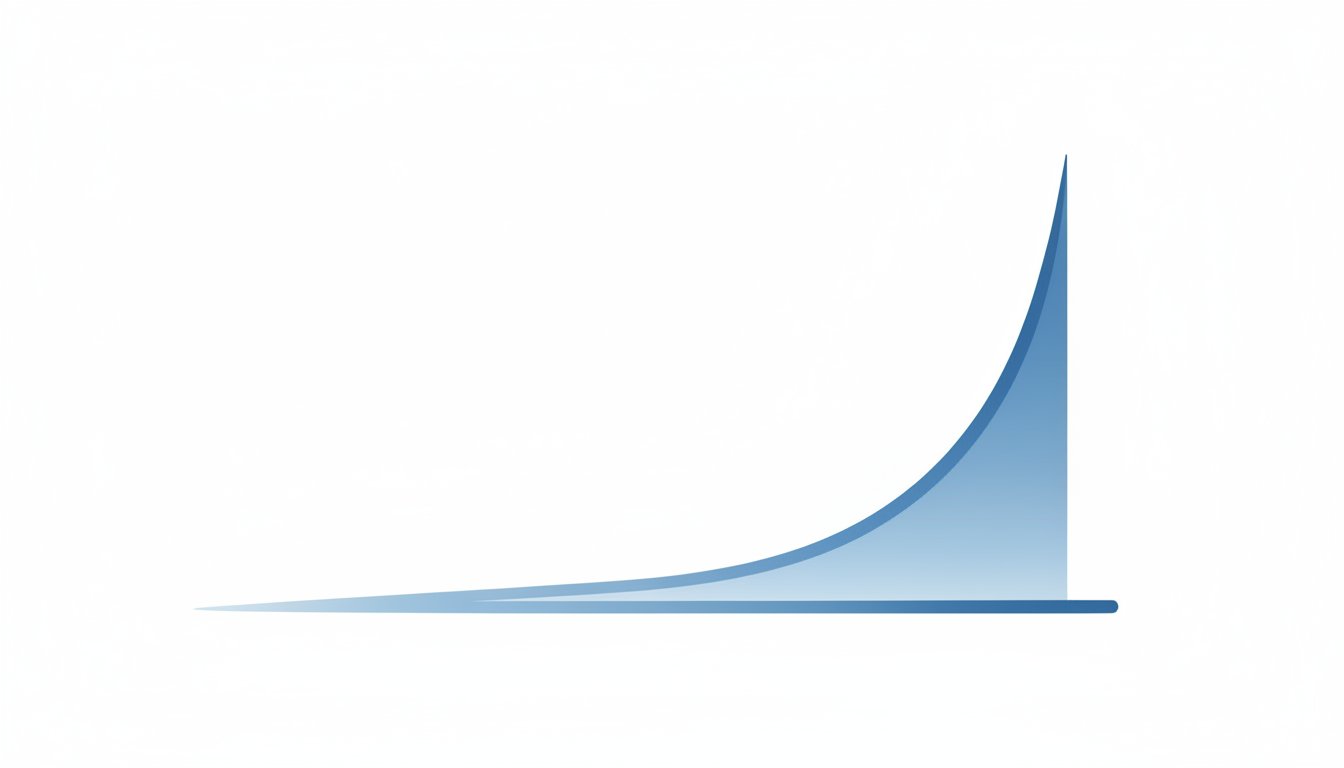
The most noticeable impact of a late-night snack often appears on your CGM (Continuous Glucose Monitor) screen the moment you wake up. If you eat shortly before bed, your body is still actively digesting and absorbing nutrients during the early hours of the morning.
This can lead to a few different outcomes:
1. Elevated Fasting Glucose
When you consume food late, your baseline glucose level may stay elevated throughout the night. Instead of reaching a stable, low baseline during deep sleep, your body is essentially "working overtime," which can result in a higher-than-expected fasting glucose reading upon waking.
2. The Interaction with the Dawn Phenomenon
Many people living with diabetes are familiar with the "dawn phenomenon"—a natural surge in hormones like cortisol and growth hormone that occurs in the early morning to prepare you for the day. These hormones trigger the liver to release stored glucose. If your system is already processing a late-night snack, this natural morning spike can become amplified, making it much harder to keep your numbers in your target range.
3. Reduced Quality of Sleep
Metabolic health and sleep quality are deeply intertwined. When your blood sugar is elevated due to a late-night snack, your body may struggle to reach the deeper, more restorative stages of sleep. Poor sleep, in turn, is a well-known driver of insulin resistance, creating a cycle where one bad night leads to harder-to-manage glucose the next day.
Identifying Your Personal Triggers
Not everyone responds to late-night eating in the exact same way. Some people might find that a small, fiber-rich snack has little impact, while others see significant spikes even from modest portions. This is where glucose tracking tools become your most valuable asset.
By using a tool like GlucoAI, you can log your snacks and observe how your body specifically reacts to different foods at different times of the night. Do you see a spike from a handful of almonds, or is it only when you have a slice of fruit? Data-driven insights allow you to move from guessing to knowing exactly what your body needs.
Practical Tips for Curbing Late-Night Cravings
If you find that late-night snacking is a regular habit that is affecting your morning results, it can be tough to break. Here are some actionable strategies to help you stabilize your evening glucose:
- Focus on Nutrient Density: If you must have a snack, prioritize proteins and healthy fats over simple carbohydrates. A small portion of Greek yogurt or a few walnuts will have a significantly lower impact on your glucose levels than sugary or refined flour snacks.
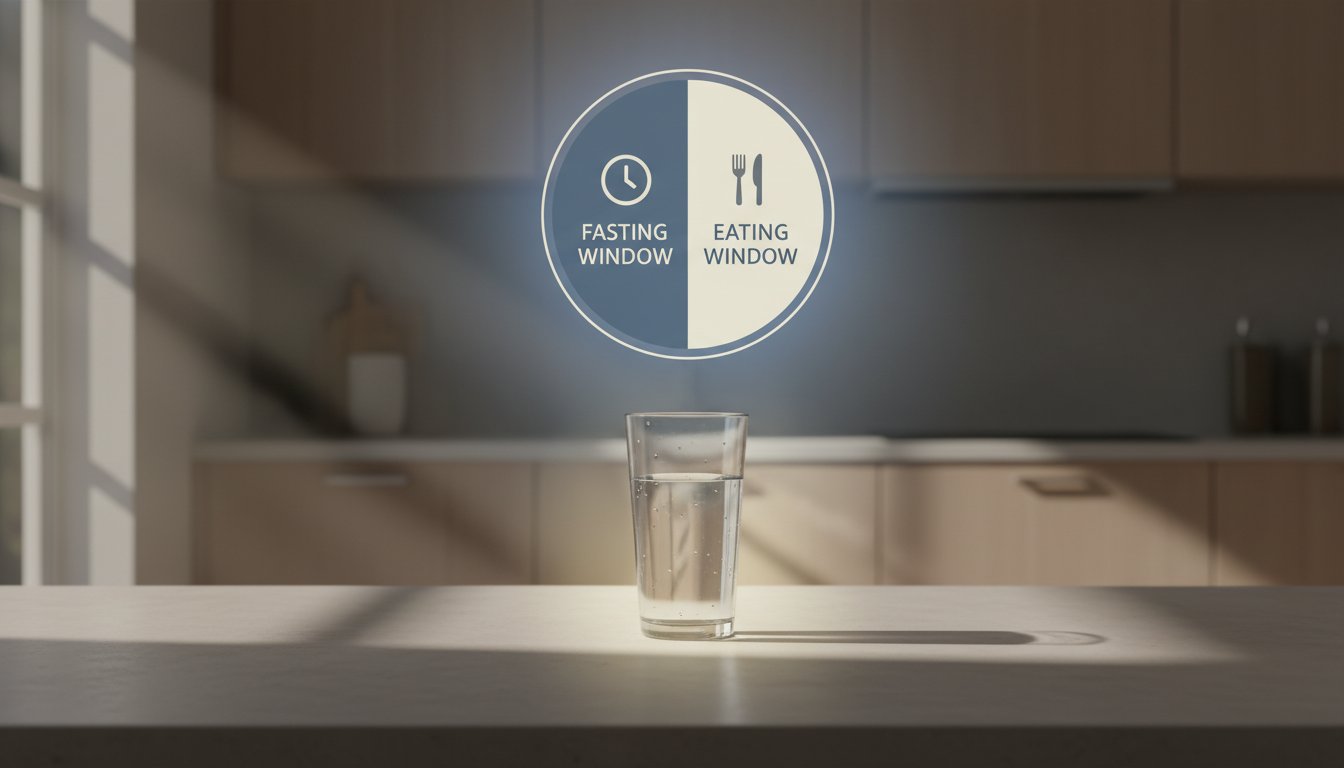
- Establish a "Kitchen Closing" Time: Aim to finish your last meal or snack at least 2 to 3 hours before you head to bed. This gives your digestive system the time it needs to process the food before you enter your sleep cycle.
- Hydrate Instead: Often, what we perceive as hunger at night is actually mild dehydration. Try drinking a glass of water or herbal tea before deciding if you truly need a snack.
- Analyze Your Dinner: Sometimes, late-night hunger is a sign that your dinner was lacking in sufficient protein or fiber. By balancing your evening meal, you can stay satiated longer and reduce the urge to reach for a late-night treat.
When to Speak with Your Doctor
While monitoring your glucose and adjusting your habits can be incredibly empowering, it is important to remember that everyone’s metabolic profile is unique. If you notice consistently high morning readings or persistent spikes that you cannot explain through diet and lifestyle changes, please consult your doctor. They can help you determine if your medication or insulin regimen needs adjustment, especially if you are managing conditions like type 1 or type 2 diabetes.
Summary
The impact of late-night snacking extends far beyond the moment you eat. By influencing your overnight glucose levels and interacting with your body's natural circadian rhythms, these snacks can set the tone for your metabolic health the following day.
Key takeaways to remember:
- Insulin sensitivity is lower at night, making it harder for your body to process late-night calories.
- Fasting glucose levels are often a reflection of your previous evening’s habits.
- Consistency is key: Use glucose tracking to understand your unique response to nighttime snacks.
- Prioritize healthy fats and proteins if you need a late-night bridge to keep you full without the glucose spike.
Taking control of your evening habits is a small change that can lead to significant improvements in your morning numbers. If you are looking for a way to better understand your body’s signals and patterns, GlucoAI provides the clarity you need to make informed decisions. By tracking your meals and seeing your real-time glucose data, you can build sustainable habits that work for you, not against you.
Start by monitoring your evening snacks this week and observe how your morning glucose changes—you might be surprised by how much power you have over your daily trends.
GlucoAI — Smart Blood Sugar Monitor
Track, analyze, and optimize your glucose levels with AI-powered insights.