
- Published on
Lighting, Screens, and Your Glucose: A Circadian Guide
Have you ever noticed your blood sugar levels creeping up, even when your diet and exercise habits haven't changed? While we often focus on what we eat, the light we expose ourselves to—especially after sunset—plays a massive, often overlooked role in metabolic health.
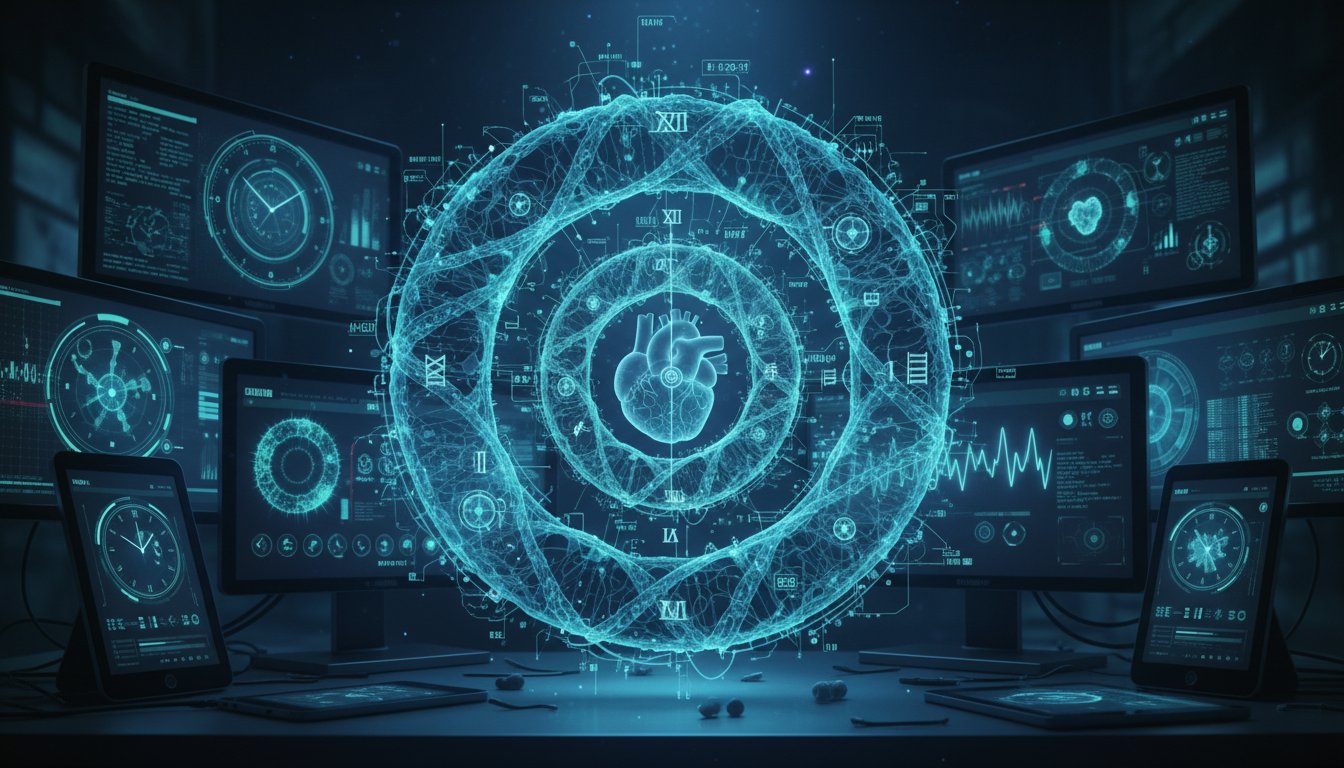
Your body operates on a master internal clock known as the circadian rhythm. This 24-hour cycle governs everything from hormone production to insulin sensitivity. When we bathe our homes in harsh blue light or stare at screens late into the night, we effectively "trick" our biology into thinking it is still midday. This disruption doesn't just ruin your sleep; it can interfere with how your body processes glucose.
The Science of Light and Metabolic Health
The human body is evolved to align with the rising and setting of the sun. Historically, our exposure to light was limited to the warm, low-intensity glow of firelight after dark. Today, we live in a world of high-intensity LEDs and blue-light-emitting screens that suppress melatonin, the hormone responsible for sleep.
How Light Affects Insulin Sensitivity
Research suggests that exposure to artificial light at night (ALAN) can reduce insulin sensitivity—the body's ability to use insulin effectively to move glucose from the bloodstream into cells. When melatonin levels are suppressed by artificial light, the pancreas may struggle to secrete insulin efficiently, or the cells may become temporarily resistant to its signals.
This creates a metabolic "double whammy": you are not only more likely to experience poor sleep quality, but you are also more likely to see elevated blood glucose readings the following day. If you use a continuous glucose monitor (CGM), you might notice higher-than-expected fasting glucose levels after a night of heavy screen use.
Why Screens Are Disruptors
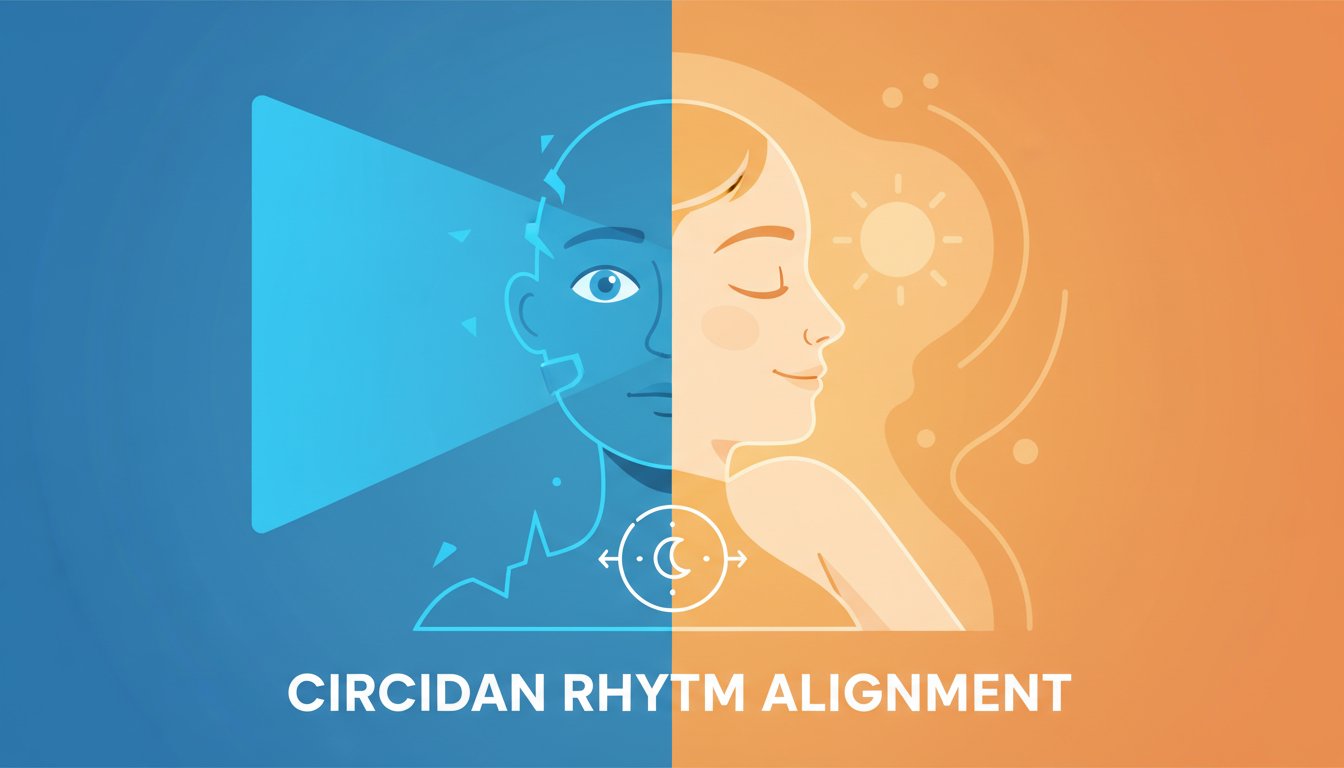
The primary culprit is blue light. While blue light is beneficial during the day because it keeps us alert and improves cognitive performance, it is problematic after sunset. Screens from smartphones, tablets, and computers emit a high concentration of this short-wavelength light, which penetrates deep into the retina and signals the brain to stay awake.
The Cortisol Connection
Beyond melatonin, evening screen time can trigger a stress response. Engaging with social media, work emails, or high-intensity gaming stimulates the nervous system. This spike in mental activity can elevate cortisol—the "stress hormone." Cortisol is a natural glucose-raising hormone; it signals the liver to release stored energy into the bloodstream to prepare for "fight or flight." If you are sitting on the couch while this happens, that extra glucose has nowhere to go, leading to unnecessary blood sugar spikes.
Practical Strategies for Light Management
You don't need to live in complete darkness to protect your metabolism. Small, consistent changes to your evening environment can make a significant difference in your glucose stability and overall sleep quality.
1. Optimize Your Evening Lighting
As the sun goes down, your home environment should shift. Consider swapping bright overhead lights for lower-level lamps. You can even use "warm" light bulbs (typically 2700K or lower) in the living room and bedroom to mimic the spectrum of sunset.
2. Implement a "Digital Sunset"
Try to power down all screens at least 60 to 90 minutes before bed. If you must use a device, enable "night mode" or "blue light filter" settings, which shift the screen color temperature to warmer, amber tones. These tools reduce the impact of blue light on your circadian rhythm.
3. Track the Correlation
It can be difficult to see how your environment affects your health without data. Using glucose tracking apps is an excellent way to connect the dots. By logging your evening habits—such as "screen-free hour" or "dim light transition"—alongside your glucose readings, you can identify patterns. If you notice your fasting glucose is lower on nights when you read a physical book instead of scrolling on your phone, you have found a powerful, actionable lifestyle intervention.
Managing Glucose in a Digital World
If you are currently managing diabetes or prediabetes, it is easy to become overwhelmed by the number of factors that influence your blood sugar. It is important to remember that you don't have to overhaul your entire life overnight. Start by focusing on one habit at a time, such as setting a hard stop for screens before dinner.
Troubleshooting Common Challenges
- "I have to work late at night." If your job requires late-night screen time, invest in high-quality blue-light-blocking glasses. They can help filter out the most disruptive wavelengths while you work.
- "I feel anxious if I don't check my phone." Replace the "check" with a low-impact activity. Listen to a podcast or audiobook instead of watching a screen, which allows your eyes to rest while still providing entertainment.
Results You Can Expect
By aligning your light exposure with your circadian rhythm, you may notice:
- More stable fasting glucose levels: Reduced metabolic stress leads to better blood sugar regulation overnight.
- Improved sleep quality: Falling asleep faster and experiencing deeper, more restorative rest.
- Better morning energy: A well-regulated circadian rhythm helps you wake up feeling refreshed rather than groggy.
The Role of GlucoAI in Your Journey
Understanding the impact of your environment is a process of trial and error. GlucoAI is designed to help you make sense of these complex variables. By providing a centralized space to track your food, activity, and environmental factors like sleep and lighting, you can see how specific changes affect your glucose trends.
Instead of guessing why your numbers are fluctuating, you can look at the data and make evidence-based decisions. Whether you are adjusting your evening light or fine-tuning your nutrition, having a dedicated management tool makes the journey toward metabolic health more transparent and achievable.
Summary
The modern world is filled with light and screen stimulation that our bodies were not designed to handle after dark. By understanding how blue light and screen-induced stress impact your circadian rhythm and insulin sensitivity, you can take control of your metabolic health.
Key takeaways:
- Artificial light at night disrupts melatonin and can lower insulin sensitivity.
- Screen-induced stress raises cortisol, which can lead to unnecessary glucose spikes.
- Small habits like using warm lighting and implementing a "digital sunset" can protect your sleep and your blood sugar.
- Track your habits alongside your glucose data to identify what works best for your unique physiology.
Consistency is your greatest asset. Start tonight by dimming the lights and putting the phone away an hour before bed. Your body—and your blood sugar—will thank you tomorrow morning.
Disclaimer: This information is for educational purposes and is not a substitute for professional medical advice. Please consult your doctor regarding any changes to your diabetes management plan.
GlucoAI — Smart Blood Sugar Monitor
Track, analyze, and optimize your glucose levels with AI-powered insights.