
- Published on
Mastering Carbohydrate Timing for Stable Glucose
Mastering Carbohydrate Timing for Stable Glucose
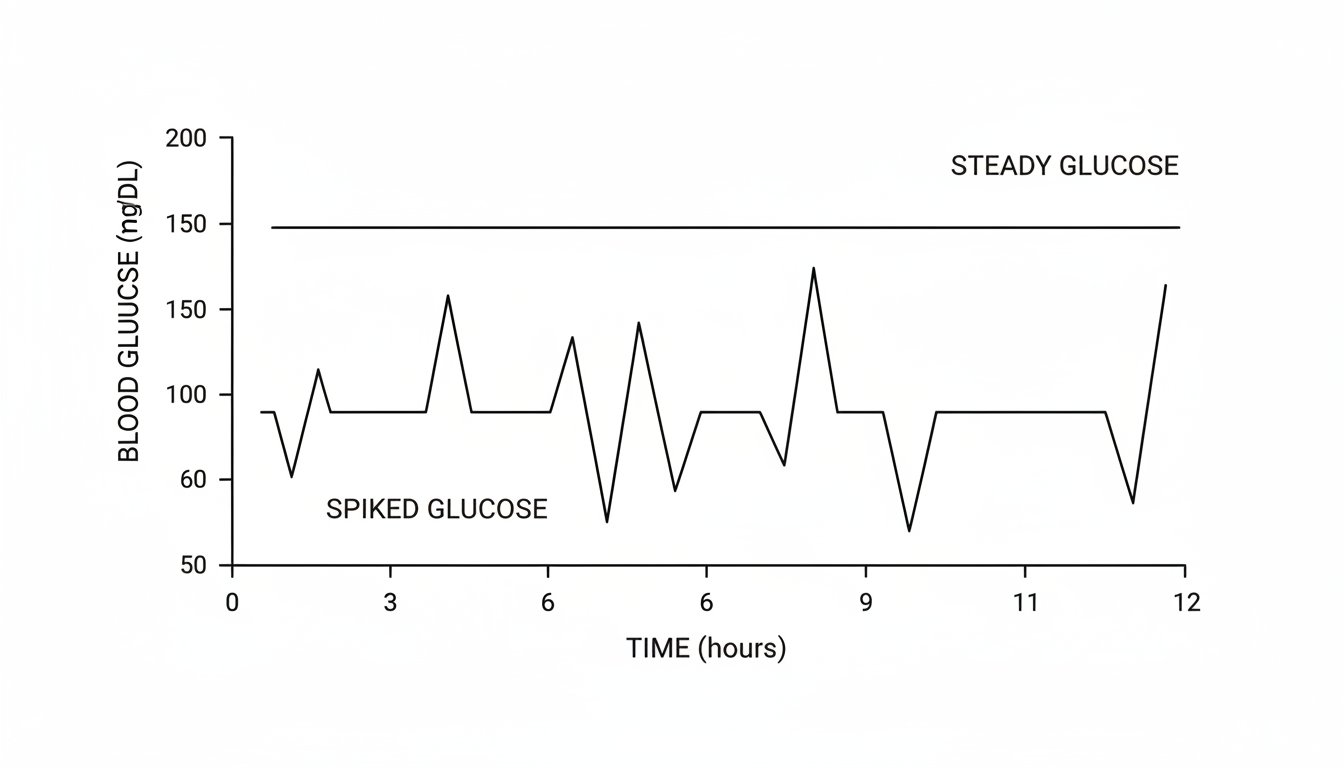
Have you ever noticed your blood glucose levels spiking sharply after a meal, only to crash a few hours later? While we often focus on what we eat, the timing of our carbohydrate intake is just as critical for maintaining metabolic balance. For those of us managing diabetes or aiming for better glucose stability, how we distribute our carbohydrates throughout the day can make the difference between a smooth, stable line on our monitor and a series of frustrating, unpredictable spikes.
Managing blood sugar isn't just about counting grams; it’s about understanding how your body processes energy. When you consume a large amount of carbohydrates in one sitting, your pancreas—or your insulin delivery system—has to work overtime to clear the excess glucose from your bloodstream. By shifting how you space your meals, you can take the pressure off your system and achieve more consistent energy levels throughout the day.
Why Carbohydrate Timing Matters for Glucose Control
Your body has a limited capacity to store and process glucose at any given moment. When you eat a heavy carbohydrate meal, your blood glucose levels rise, signaling the release of insulin—the hormone responsible for moving glucose into your cells. If the influx of glucose is too rapid or too large, your body may struggle to keep up, leading to hyperglycemia (high blood sugar).
Conversely, if you go too long without food and then consume a large portion, your body may overcompensate, leading to a roller-coaster effect. This variability is not just stressful; it can also affect your A1C (the measure of your average blood glucose over the past 3 months). By leveling out your intake, you support better metabolic health and provide your body with a steady, reliable stream of fuel.
The Power of Distribution: Spacing Your Meals
Instead of viewing meals as isolated events, try to think of your day as a continuous flow. The goal is to avoid "glucose loading"—a situation where you consume a disproportionate amount of your daily carbohydrates at a single time.
The Strategy of Consistency
Consistency is the cornerstone of glucose management. By eating at similar times each day and distributing your carbohydrate intake relatively evenly, you help your body anticipate energy needs. This predictability can significantly improve your Time in Range (the percentage of time your glucose stays within your target goal).
The "Little and Often" Approach
For many people, spreading carbohydrate intake across three moderate meals—or even including small, balanced snacks—prevents the extreme spikes associated with massive, one-time loads. If you are using a Continuous Glucose Monitor (CGM), you can observe firsthand how your glucose responds to different meal patterns. If you notice a spike after your dinner, try shifting a portion of those carbohydrates to lunch or breakfast to see if it flattens the curve.
Practical Steps to Optimize Your Timing
Mastering your carbohydrate timing doesn't mean you have to overhaul your entire lifestyle overnight. Small, deliberate changes often yield the most sustainable results.
- Audit your current intake: Use a glucose tracking tool to log not just the grams of carbohydrates, but the time you eat them. Seeing the data mapped against your glucose levels can reveal patterns you might otherwise miss.
- Prioritize fiber and protein: Pairing carbohydrates with protein, healthy fats, and fiber slows down digestion. This "cushioning" effect means glucose enters your bloodstream more gradually, making the timing of your carbohydrates less volatile.
- Align with activity: If you know you have a high-carbohydrate meal planned, try to schedule some movement shortly after. Walking for 10–15 minutes post-meal can significantly improve your body’s ability to utilize the glucose you just consumed.
- Consistency is key: While life can be unpredictable, try to keep your meal windows relatively stable. This helps your body and your insulin sensitivity remain more predictable.

Troubleshooting Common Timing Hurdles
Even with the best planning, you may encounter days where your glucose levels don't behave as expected. Here is how to navigate those moments:
Challenge 1: The Morning Spike
Many people experience higher glucose levels in the morning due to the "dawn phenomenon," where the body releases hormones to prepare for the day. If this is the case, consuming a large carbohydrate breakfast might exacerbate the issue. Solution: Try shifting some of your carbohydrate intake to later in the day and focus on a protein-heavy breakfast to keep your morning glucose curve flatter.
Challenge 2: Late-Night Snacking
Eating carbohydrates late in the evening can lead to elevated fasting glucose levels the next morning. Solution: Aim to finish your last meal or snack at least two to three hours before bedtime. This gives your body time to process the energy before you enter a resting state.
Monitoring Your Success with GlucoAI
Understanding how your body responds to the timing of your food is a journey, and having the right tools makes that journey much easier. With GlucoAI, you can visualize the impact of your meal timing in real-time. By connecting your data, you can identify which meal patterns lead to the most stable glucose levels for your specific metabolic profile.
Instead of guessing, you can make informed decisions based on your own history. Whether you are adjusting your carbohydrate distribution or experimenting with meal composition, GlucoAI provides the insights you need to stay in control.
Conclusion and Key Takeaways
Mastering carbohydrate timing is one of the most effective, actionable ways to improve your glucose stability. By being mindful of when and how you consume your carbohydrates, you can reduce the frequency of spikes and improve your overall metabolic health.
Key takeaways for your journey:
- Spread it out: Aim for a balanced distribution of carbohydrates throughout the day rather than lumping them into one or two large meals.
- Pair for protection: Always accompany carbohydrates with protein, fiber, or healthy fats to slow their absorption.
- Use your data: Leverage your CGM data and glucose tracking tools to see what works for your unique body.
- Move after meals: Leverage the power of post-meal movement to help manage the glucose response.
Every small adjustment you make to your routine is a step toward better health. Start by tracking your meals consistently and observing the relationship between your plate and your glucose monitor. If you are looking for a partner in this process, GlucoAI is here to help you turn that data into daily, actionable progress.
Disclaimer: This information is for educational purposes and should not replace professional medical advice. Please consult your doctor or a registered dietitian before making significant changes to your diet or diabetes management plan.
GlucoAI — Smart Blood Sugar Monitor
Track, analyze, and optimize your glucose levels with AI-powered insights.