
- Published on
Protein Quality and Post-Meal Glucose Response
Protein Quality and Post-Meal Glucose Response
Have you ever noticed that even when you eat the same number of carbohydrates, your blood sugar spikes differently depending on what you pair them with? While most people focus heavily on the "carb count" of a meal, the protein you choose to accompany those carbohydrates plays a surprisingly significant role in your metabolic health. Understanding how protein quality influences your post-meal glucose response can be a game-changer for maintaining steady levels throughout the day.
When we talk about glucose management, we often think about insulin, the hormone that helps cells absorb sugar from the bloodstream. However, the amino acid composition of the protein you consume—whether it is plant-based, whey, or lean meat—can trigger different hormonal responses, including the release of glucagon-like peptide-1 (GLP-1), a hormone that slows down stomach emptying and helps regulate blood sugar.
The Science of Protein and Glucose Stability
Protein is the building block of life, but not all proteins are created equal when it comes to their impact on metabolic health. The "quality" of a protein is generally determined by its amino acid profile and its digestibility. High-quality proteins contain all nine essential amino acids that your body cannot produce on its own.
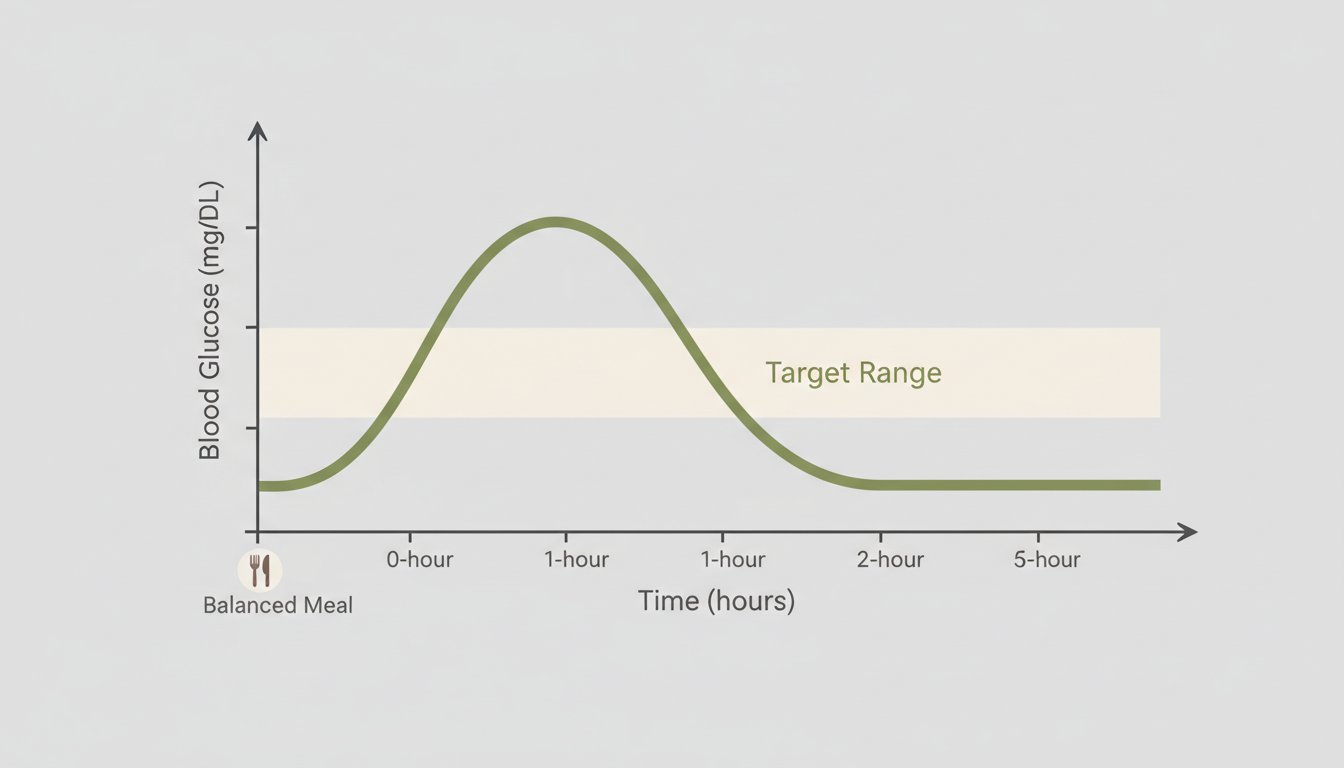
When you consume protein alongside carbohydrates, it acts as a buffer. It slows the rate at which glucose enters your bloodstream, preventing the sharp, rapid spikes that can leave you feeling fatigued or hungry an hour later. Research suggests that high-quality proteins—specifically those rich in leucine—may stimulate a more robust insulin response, which helps clear glucose from the blood more efficiently.
Why Protein Quality Matters for Your Metabolism
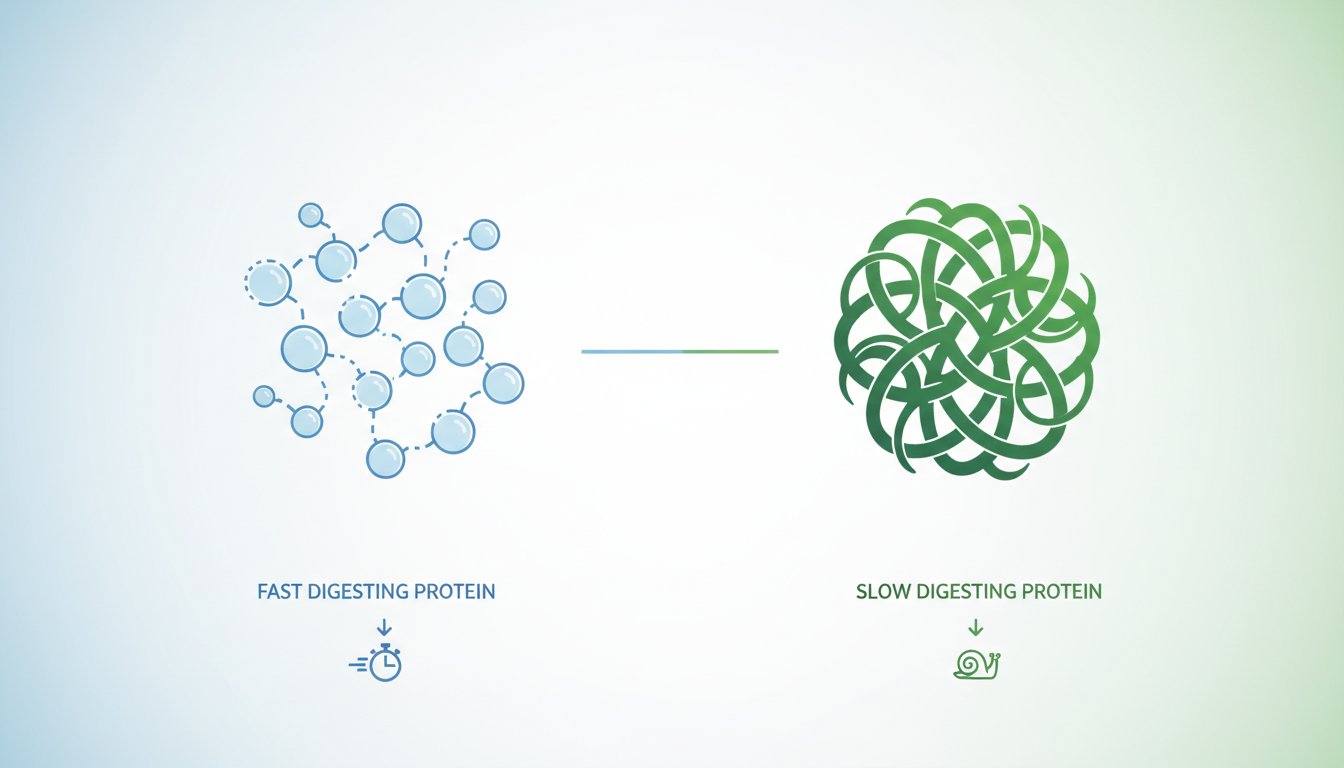
Not every protein source provides the same metabolic benefit. For example, whey protein is known for its rapid absorption and high leucine content, which can be particularly effective at dampening a blood sugar spike when consumed before or during a meal. On the other hand, certain plant-based proteins may lack specific essential amino acids, potentially requiring larger portions to achieve the same metabolic effect.
The Role of Insulin Secretion
Certain proteins can stimulate the release of insulin even in the absence of high carbohydrate intake. By choosing higher-quality proteins, you are essentially "priming" your body to handle the incoming glucose more effectively. This is why many people find that prioritizing protein at the start of a meal—a strategy often called "food sequencing"—leads to more stable glucose readings.
Satiety and Long-Term Management
Beyond the immediate glucose response, protein quality dictates how full you feel. High-quality protein sources trigger satiety signals in the brain, which helps prevent overeating later in the day. When you feel satisfied, you are less likely to reach for high-glycemic snacks that cause further glucose instability.
Comparing Protein Sources
To optimize your post-meal glucose, it helps to understand how common protein sources stack up. While you should always aim for a variety of nutrient-dense foods, consider these categories:
- Animal-Based Proteins: Sources like wild-caught fish, pasture-raised eggs, and grass-fed beef are complete proteins. They offer excellent bioavailability, meaning your body can easily use the amino acids to support muscle repair and metabolic function.
- Plant-Based Proteins: Legumes, lentils, and tempeh are fantastic, but they are often lower in leucine compared to animal sources. You can improve their "quality" by combining them—for instance, pairing beans with rice creates a more complete amino acid profile.
- Protein Supplements: Whey protein isolate is a high-quality, fast-digesting option. However, be mindful of hidden sugars in flavored powders, which can negate the metabolic benefits of the protein itself.
Practical Steps to Optimize Your Meals
You don't need to be a nutritionist to start seeing the benefits of better protein choices. By making small, intentional shifts in how you build your plate, you can gain better control over your metabolic health.
1. Prioritize Protein in Your First Bite
The order in which you eat your food matters. By consuming your protein and non-starchy vegetables first, you create a physical and hormonal buffer in your digestive tract. By the time you get to the carbohydrates, your blood sugar response is already dampened.
2. Aim for Leucine-Rich Options
Leucine is the "master switch" for muscle protein synthesis and has strong ties to metabolic regulation. Incorporating sources like Greek yogurt, lean meats, or soy can provide that extra metabolic edge to keep your glucose levels within a healthy range.
3. Track Your Personal Response
Everyone’s metabolism is unique. What causes a spike for one person might be perfectly manageable for another. This is where using a tool like GlucoAI can be incredibly empowering. By logging your meals and noting the source of your protein, you can begin to see patterns in how your specific body reacts. Does a meal with salmon keep your glucose flatter than a meal with lentils? Your data will tell the story.
Troubleshooting Common Protein Challenges
"I don't feel satisfied after meals."
If you find yourself hungry shortly after eating, you may be skimping on protein quality or quantity. Try increasing your portion of high-quality protein by 10–20 grams and see if that helps stabilize your hunger and your glucose readings.
"I'm vegan; how do I get high-quality protein?"
If you follow a plant-based diet, focus on diversity. Rotate your protein sources throughout the day and consider using a high-quality plant-based protein powder to supplement your meals, ensuring you get a complete amino acid profile without relying on the same few ingredients.
Summary
Protein quality is a critical, often overlooked pillar of blood sugar management. By choosing high-quality, complete proteins and being mindful of your meal sequencing, you can significantly reduce post-meal glucose spikes and improve your overall metabolic flexibility.
Remember that your journey is individual. Start by making small adjustments—like eating your protein first or adding a high-quality protein source to your breakfast—and monitor how your body responds. If you are looking for a way to make sense of these patterns, using glucose tracking apps like GlucoAI can help you visualize your progress and make data-backed decisions about your nutrition.
Always remember to consult your doctor or a registered dietitian before making significant changes to your diet, especially if you are managing diabetes or other metabolic conditions. With consistent tracking and the right nutritional choices, you can achieve the stability you’re looking for.
GlucoAI — Smart Blood Sugar Monitor
Track, analyze, and optimize your glucose levels with AI-powered insights.