
- Published on
Using Vinegar to Improve Post-Meal Glucose Levels
Using Vinegar to Improve Post-Meal Glucose Levels
Have you ever wondered if a simple pantry staple could help you manage your blood sugar spikes? It sounds almost too good to be true, but research into the metabolic effects of vinegar—specifically apple cider vinegar—has been gaining traction in the diabetes management community. If you are looking for a simple, low-cost habit to add to your toolkit, you might find that a little bit of acidity goes a long way.
When we talk about glucose management, we are often focused on the quality and quantity of the carbohydrates we consume. However, the way we consume those foods matters just as much. By adding a small amount of vinegar to your meal, you may be able to blunt the sharp rise in blood glucose (the amount of sugar circulating in your bloodstream) that typically follows a carbohydrate-heavy meal. Let’s explore the science behind this practice and how you can implement it safely into your daily routine.
How Vinegar Impacts Your Glucose Response
The primary active component in vinegar is acetic acid. Scientific studies suggest that acetic acid may influence the way our bodies process carbohydrates in a few distinct ways. First, it appears to slow down gastric emptying, which is the speed at which food leaves your stomach and enters your small intestine. When digestion is slightly slowed, glucose enters your bloodstream at a more gradual, steady pace rather than all at once.
Furthermore, some research suggests that acetic acid may increase the uptake of glucose by your muscles. By helping your muscles "soak up" sugar more effectively, vinegar may improve insulin sensitivity, making it easier for your body to move glucose out of the blood and into the cells where it belongs. While it is certainly not a replacement for medical treatments or prescribed insulin, it acts as a helpful, evidence-based "nudge" for your metabolic health.

Is Vinegar a "Quick Fix" for Diabetes?
It is important to approach this with realistic expectations. Vinegar is not a cure for diabetes, nor is it a substitute for a balanced diet, regular physical activity, or the glucose tracking apps you use to monitor your progress. Instead, think of it as a complementary strategy to support your existing efforts.
Data from the American Diabetes Association and various metabolic studies indicate that while vinegar can reduce the post-meal glucose response, the effect is most pronounced when consumed immediately before or during a meal. If you rely solely on vinegar while ignoring other pillars of health, you likely won't see the systemic improvements you are aiming for. However, when combined with consistent monitoring through tools like GlucoAI, you can see exactly how your body responds to this intervention in real-time.
Practical Ways to Incorporate Vinegar
If you are ready to experiment with this strategy, you do not need to drink straight vinegar (which can be harsh on your tooth enamel and throat). Here are a few gentle ways to include it in your meals:
1. The Salad Dressing Approach
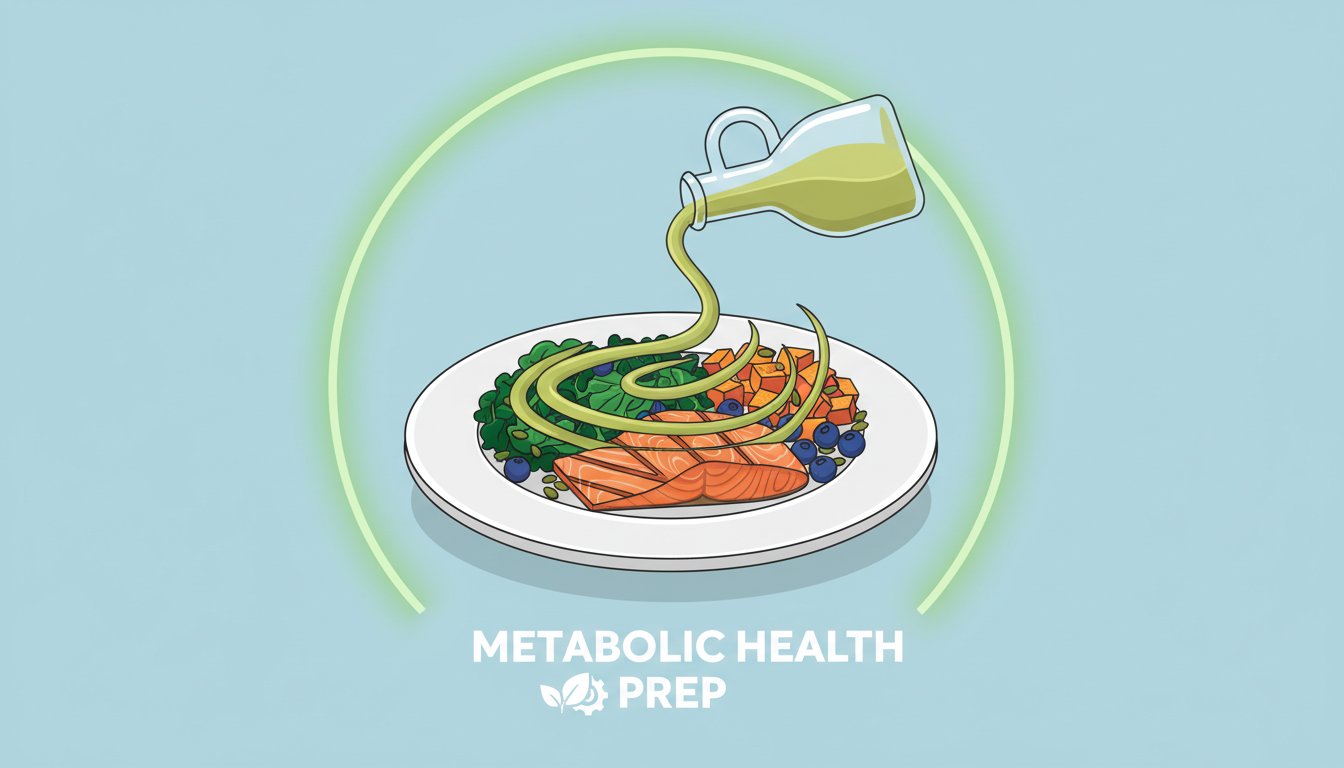
The easiest way to consume vinegar is to make your own vinaigrette. Mix one tablespoon of apple cider vinegar with olive oil, a dash of Dijon mustard, and your favorite herbs. Pour this over a leafy green salad as a "starter" before your main course. Starting your meal with fiber and acid is a gold-standard strategy for flattening your glucose curve.
2. Diluted Drinks
If you prefer not to have a salad, mix one tablespoon of vinegar into a large glass of water. Adding a squeeze of lemon or a pinch of cinnamon can help mask the strong taste. Drink this about 10 to 15 minutes before your meal.
3. Pickled Sides
Incorporating naturally fermented pickles or pickled vegetables into your lunch or dinner is another effective way to get that acetic acid boost. Just be sure to check the labels on store-bought pickles to ensure they do not contain added sugars.
Monitoring Your Results with GlucoAI
The most exciting part of testing a new metabolic intervention is seeing the data for yourself. Everyone’s body reacts differently to various foods and supplements. What works perfectly for one person might have a minimal impact on another. This is why tracking your glucose variability is essential.
When you start incorporating vinegar, use your glucose monitoring tools to log your meals. By comparing your post-meal glucose levels on days you consume vinegar versus days you do not, you can determine if this habit is truly working for you. GlucoAI allows you to visualize these trends, helping you make informed decisions about your diet based on your unique metabolic profile rather than guesswork.
Troubleshooting and Safety Tips
While vinegar is generally safe for most people, there are a few precautions to keep in mind:
- Protect Your Enamel: Because vinegar is acidic, it can erode tooth enamel over time. Always dilute it in water, and consider drinking it through a straw. Rinsing your mouth with plain water afterward is also a good habit.
- Watch for Gastrointestinal Issues: If you have a sensitive stomach or conditions like acid reflux, vinegar might exacerbate your symptoms. Start with a smaller amount—like one teaspoon—to see how your body tolerates it.
- Consult Your Doctor: If you are currently taking medications for blood sugar, please consult your doctor before making changes to your diet. Significant changes in your glucose levels might necessitate a review of your current medication dosage.
Summary
Incorporating vinegar into your diet is a simple, practical, and low-cost way to potentially improve your post-meal glucose levels. By slowing gastric emptying and supporting better insulin sensitivity, this simple pantry staple can be a powerful ally in your metabolic health journey.
Key Takeaways:
- Mechanism: The acetic acid in vinegar helps slow digestion and improves muscle glucose uptake.
- Application: Aim for one tablespoon diluted in water or as a salad dressing starter before meals.
- Data-Driven: Use your glucose tracking tools to see if this works for your specific body.
- Safety First: Always dilute vinegar to protect your teeth and stomach, and check with your healthcare provider before starting any new dietary routine.
Managing your health is a marathon, not a sprint. By stacking small, evidence-based habits, you can gain better control over your metabolic future. If you are looking for a way to track these small changes and see how they impact your overall health, start logging your meals and glucose trends with GlucoAI today. With consistent tracking, you can turn these small, simple adjustments into lasting progress.
GlucoAI — Smart Blood Sugar Monitor
Track, analyze, and optimize your glucose levels with AI-powered insights.