
- Published on
Seasonal Shifts: Managing Glucose in Changing Temperatures
Have you ever noticed your blood glucose readings acting a little unpredictable just as the seasons begin to turn? Whether it is the first nip of autumn air or the sweltering heat of mid-July, changing temperatures can have a surprising impact on your metabolic health.
For many people living with diabetes, the body’s internal thermostat is closely linked to blood sugar control. When the environment shifts, your body has to work harder to maintain stability, which can lead to fluctuations that seem to come out of nowhere. Understanding how these external factors influence your glucose levels is a vital part of proactive management. In this guide, we will explore why these shifts happen and how you can stay in balance, no matter what the weather report says.
The Science of Temperature and Metabolism
Temperature changes affect your blood glucose through several biological pathways. When you are exposed to extreme heat or cold, your body initiates a stress response to maintain its core temperature. This process involves the release of hormones like adrenaline and cortisol, which can signal your liver to release stored glucose into your bloodstream.
Furthermore, physical activity levels often change with the seasons. We may be more active in the spring and autumn, while the peak of winter or summer might lead to more sedentary indoor behavior. These shifts in activity, combined with the body’s physiological response to temperature, create a unique challenge for insulin sensitivity. When your sensitivity changes, the same dose of insulin that worked perfectly last month might suddenly feel too strong or not strong enough.
How Heat Affects Insulin and Glucose
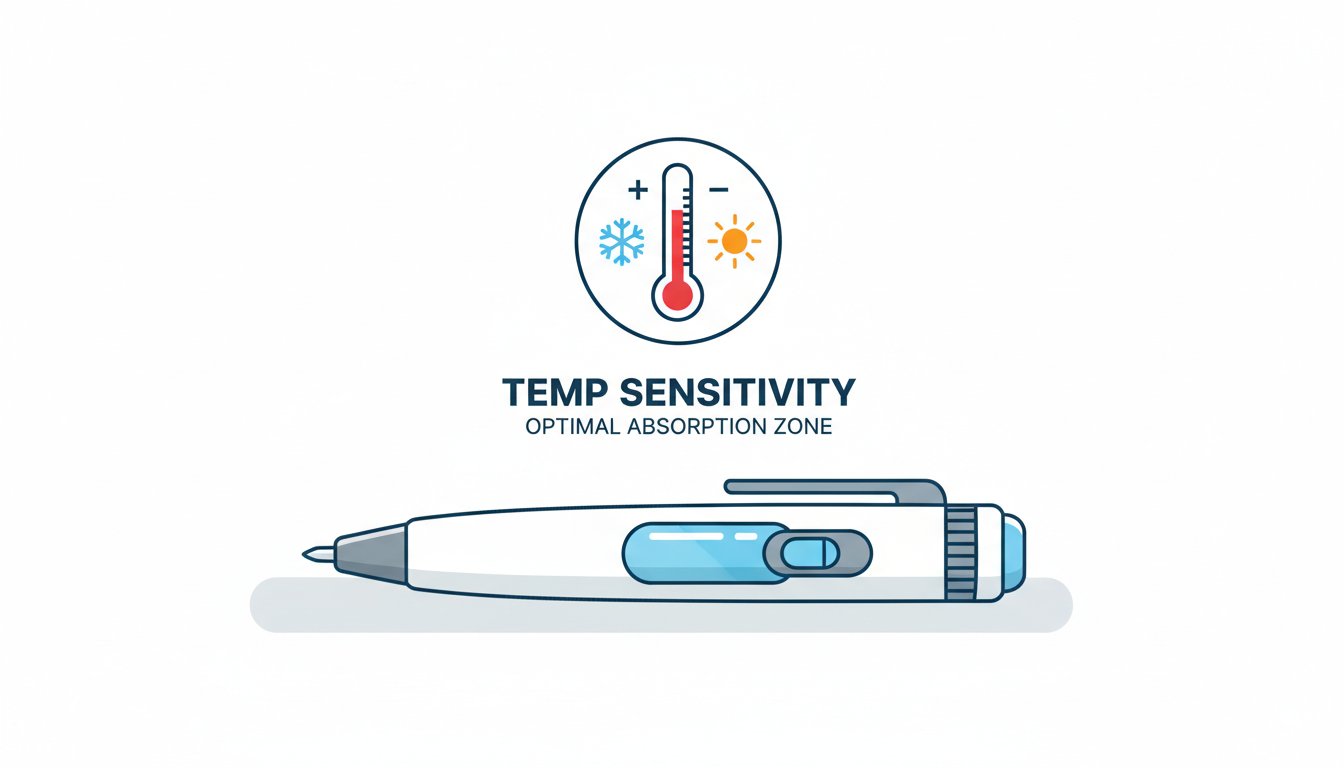
High temperatures can be particularly tricky for glucose management. Heat causes your blood vessels to dilate (widen), which increases blood flow to the skin to help you cool down. This change in circulation can cause insulin to be absorbed more quickly from injection sites, which may increase the risk of hypoglycemia (low blood sugar).
Conversely, severe heat exhaustion can lead to dehydration. When you are dehydrated, your blood volume decreases, which can cause your blood glucose concentration to rise. It becomes a balancing act: you are fighting the increased absorption rate of your insulin while simultaneously managing a potential rise in glucose due to fluid loss.
Tips for Summer Glucose Management:
- Monitor hydration: Drink plenty of water to maintain blood volume and support kidney function.
- Rotate injection sites: Keep an eye on how your body reacts to insulin in different spots during hot weather.
- Protect your supplies: Insulin is heat-sensitive. Keep your insulin, glucose meters, and sensors out of direct sunlight and away from hot cars.
Navigating the Winter Chill
While summer brings heat-related risks, winter presents its own set of hurdles. Cold weather can cause blood vessels to constrict (narrow), which may slow down the absorption of insulin. If you find your blood sugar running higher than usual during the winter months, it could be a result of this slower absorption or a decrease in physical activity.
Additionally, winter often brings an increase in seasonal illnesses, such as the flu or common cold. Infections place stress on the body, which almost always results in higher blood sugar levels. Staying diligent with your monitoring during the colder months is essential to catch these trends before they become persistent patterns.
Practical Steps for Seasonal Stability
Maintaining stable glucose levels throughout the year requires a blend of vigilance and consistency. The goal is to identify your personal patterns so you can adjust your habits before your levels swing too far out of range.
1. Track Your Data Consistently
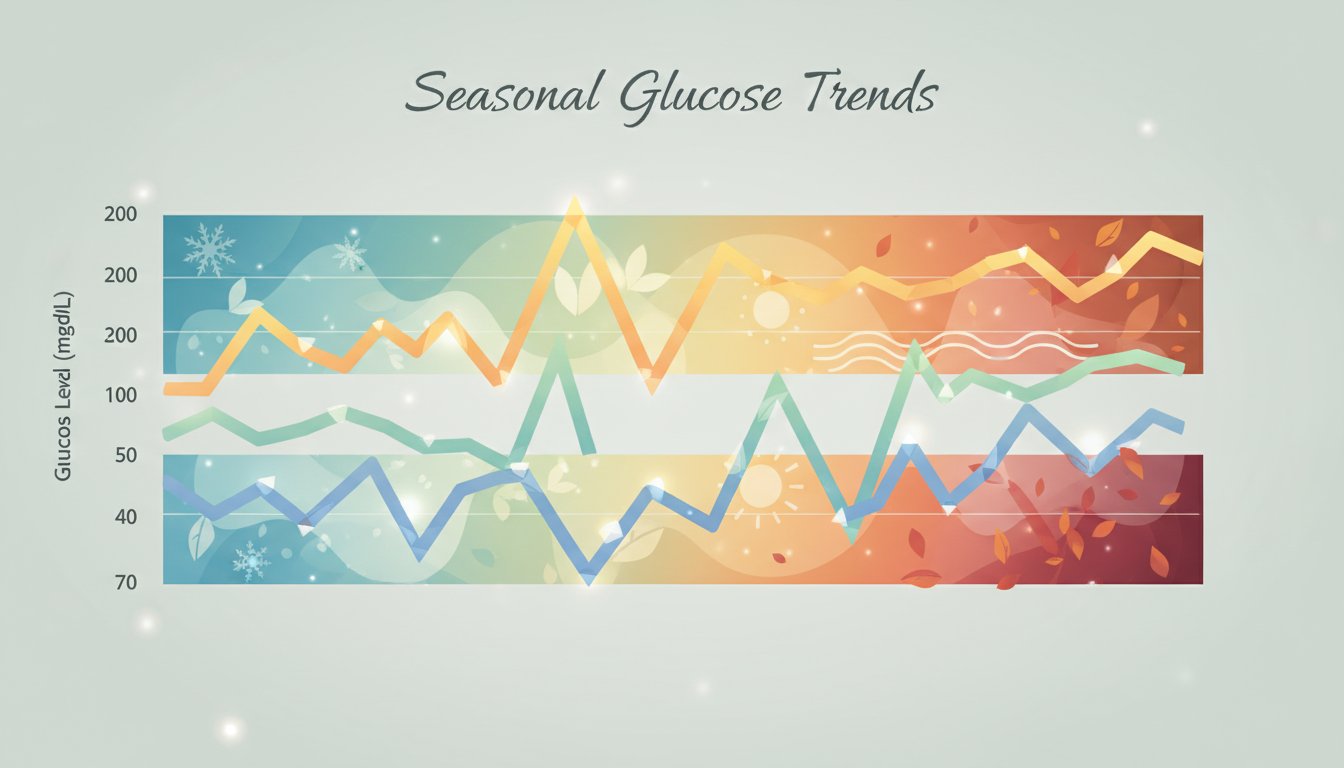
The most effective way to navigate seasonal changes is to keep a detailed record of your readings alongside your environment. By using glucose tracking tools like a Continuous Glucose Monitor (CGM), you can see how your body responds to specific temperatures. GlucoAI is designed to help you visualize these patterns over time, making it easier to correlate your blood sugar fluctuations with seasonal weather shifts.
2. Adjust Your Activity Levels
If you find yourself moving less during the winter, consider indoor activities like yoga, resistance training, or walking on a treadmill. Even 15 minutes of activity can significantly improve your insulin sensitivity. When it comes to exercise and glucose management, consistency is often more important than intensity.
3. Review Your Management Plan
If you notice that your glucose levels consistently shift when the seasons change, it may be time to have a conversation with your healthcare provider. They might recommend temporary adjustments to your basal rates or insulin-to-carbohydrate ratios. Please always consult your doctor before making any changes to your medication regimen.
Troubleshooting Common Issues
Issue: My CGM sensor is reading differently in the heat.
Solution: Extreme heat can sometimes affect the adhesive or the sensor's internal chemistry. Ensure your sensor is well-protected from direct sunlight and check your readings with a finger-stick test if you suspect the CGM is inaccurate due to environmental factors.
Issue: I am less active in the winter, and my morning blood sugar is rising.
Solution: Consider looking at your sleep quality and evening nutrition. Small adjustments to your nighttime routine—such as avoiding late-night snacks, maintaining a consistent sleep schedule, and reducing screen time before bed—can have a significant impact on your fasting glucose.
Summary and Next Steps
Seasonal shifts are a natural part of life, but they do not have to disrupt your health goals. By recognizing that temperature impacts blood vessel dilation, insulin absorption, and metabolic stress, you can approach these changes with a plan rather than frustration.
Key takeaways for managing your health through the seasons:
- Stay hydrated to keep blood volume stable during hot weather.
- Monitor more frequently during transitions between seasons to capture new trends.
- Keep your supplies protected from extreme temperatures to ensure their efficacy.
- Use data to your advantage by logging your readings in an app like GlucoAI, which helps you spot patterns that the human eye might miss.
Managing your glucose is a continuous learning process. By staying aware of how your environment influences your numbers, you empower yourself to make small, effective adjustments that lead to long-term stability. If you haven't started tracking your trends systematically yet, now is the perfect time to begin. Download GlucoAI and start building a clearer picture of your metabolic health today.
GlucoAI — Smart Blood Sugar Monitor
Track, analyze, and optimize your glucose levels with AI-powered insights.