
- Published on
Caffeine and Blood Glucose: A Guide for Coffee Lovers
Caffeine and Blood Glucose: A Guide for Coffee Lovers
For millions of us, the day doesn't truly begin until that first aromatic cup of coffee hits our senses. But if you are managing diabetes or keeping a close watch on your metabolic health, you might have paused mid-sip to wonder: Does this morning ritual actually cause my blood sugar to spike?
The relationship between caffeine and blood glucose is complex, and it often feels like the advice changes every time you open a health magazine. The truth is that caffeine affects everyone differently, and understanding how it interacts with your body is key to maintaining stable numbers. Let’s explore the science behind that caffeine buzz and how you can continue to enjoy your favorite beverages while keeping your glucose levels in a healthy range.
How Caffeine Affects Your Glucose Levels
At its core, caffeine is a stimulant that triggers the release of adrenaline, often called the "fight-or-flight" hormone. When adrenaline surges, your body prepares for physical activity by releasing stored energy—in the form of glucose—into your bloodstream. For someone without diabetes, the body produces enough insulin to quickly move that sugar into the cells. However, for those with insulin resistance or diabetes, this sudden influx of glucose can lead to a noticeable rise in blood sugar.
Furthermore, some research suggests that caffeine may temporarily decrease insulin sensitivity. This means your body’s cells might not respond as effectively to insulin, causing glucose to linger in your bloodstream longer than usual. It is important to note that this effect is often subtle and varies significantly from person to person. Factors like your baseline health, your tolerance to caffeine, and even your genetics play a role in how your body processes that morning brew.
The Hidden Culprits: Add-ins and Syrups
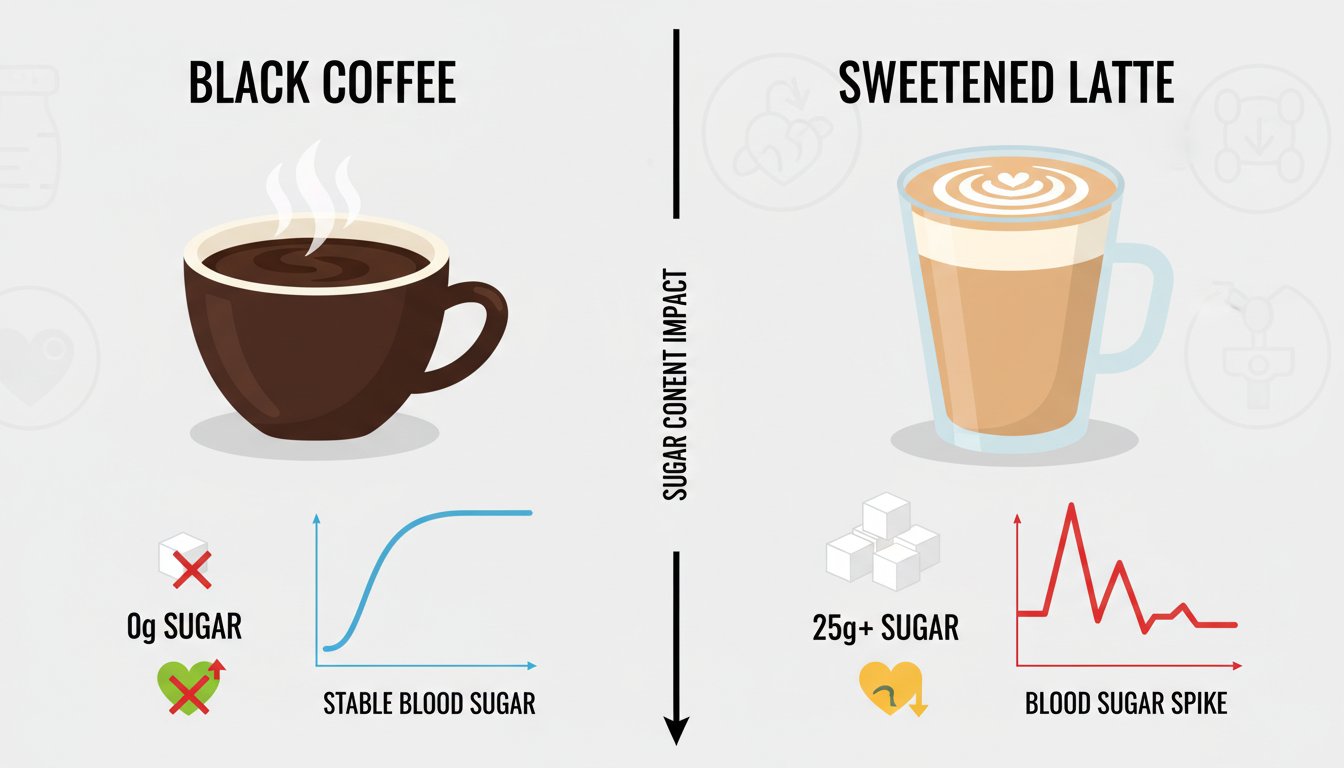
Often, it isn't the coffee or tea itself that causes the biggest blood sugar shifts, but what we add to it. A plain black coffee or a cup of green tea has virtually no carbohydrates and minimal impact on glucose. However, once you add flavored syrups, sweetened creamers, or excessive amounts of sugar, you are essentially turning your morning drink into a dessert.
Many popular coffee shop beverages contain 30 to 60 grams of sugar—or more. This is a significant amount that will almost certainly lead to a sharp spike in blood glucose, regardless of the caffeine content. If you are monitoring your levels using glucose tracking apps, you might be surprised to see how much a "small" flavored latte can impact your "Time in Range" (the percentage of time your blood sugar stays within your target range).
Tips for a Glucose-Friendly Brew
- Opt for plain: Try to get used to the taste of black coffee or unsweetened tea.
- Use natural alternatives: If you need sweetness, consider stevia or monk fruit, which generally have a minimal impact on blood glucose.
- Choose healthy fats: A splash of unsweetened almond milk, coconut milk, or a small amount of heavy cream can provide a creamy texture without the glucose spike caused by sugary flavored creamers.
Monitoring Your Personal Response
Because everyone’s metabolic response is unique, the best way to understand how caffeine affects you is to observe your own data. You don't have to give up your coffee, but you should be mindful of how your body reacts to it.
I recommend testing your blood sugar before and about one to two hours after consuming your caffeinated beverage. By doing this consistently for a few days, you can build a clearer picture of your specific threshold. If you notice consistent spikes, you might consider adjusting the timing of your caffeine intake or pairing it with a meal rather than drinking it on an empty stomach. If you are using a Continuous Glucose Monitor (CGM), this process becomes much simpler, as you can see real-time trends instead of relying on isolated finger-prick readings.
Caffeine and Exercise: A Strategic Advantage?
Interestingly, some studies suggest that caffeine can actually be a performance enhancer for those who exercise regularly. If you consume caffeine before a workout, it can help you train harder or longer, which in turn can lead to better glucose uptake by your muscles. This is a classic example of how context matters. While a cup of coffee on a sedentary morning might lead to a slight rise in glucose, that same cup consumed before a brisk walk or a resistance training session might actually help stabilize your levels.
For more on how physical activity influences your readings, check out our related article on post-meal walking.
When to Consult Your Doctor
While coffee and tea are generally safe for most people, it is essential to consult your doctor or a registered dietitian, especially if you are taking medication for diabetes. Caffeine can sometimes interfere with the absorption of certain medications or exacerbate anxiety, which can indirectly affect your glucose control. If you are experiencing unexplained variability in your numbers, your healthcare provider can help you determine if your caffeine habits are a contributing factor or if other lifestyle adjustments are needed.
Summary of Key Takeaways
Managing your health doesn't mean you have to abandon the simple pleasures of life, like your morning cup of coffee. Here are the core takeaways to keep your glucose levels balanced:
- Mind the extras: The sugar and high-carb syrups in specialty drinks are usually the primary cause of spikes, not the caffeine itself.
- Test and learn: Use your glucose tracking tools to observe how your body personally responds to caffeine.
- Timing is everything: Pairing your caffeine intake with movement or a balanced meal can help mitigate the insulin-sensitizing effects of caffeine.
- Stay hydrated: Caffeine has a mild diuretic effect, so ensure you are drinking plenty of water throughout the day to support overall metabolic health.
Ultimately, consistency and awareness are your best tools. By using a tool like GlucoAI, you can log your caffeine intake and track your glucose trends over time. This helps you identify patterns, such as whether your morning coffee affects you differently on days you exercise versus days you don't.
Small, data-driven changes lead to sustainable health improvements. If you are ready to gain deeper insights into how your lifestyle choices—including your coffee habits—impact your A1C and overall stability, download the GlucoAI app today. Let's work together to make your health journey as informed and manageable as possible.
Disclaimer: This blog post is for informational purposes only and does not constitute medical advice. Please consult your doctor or a healthcare professional before making significant changes to your diet, exercise routine, or diabetes management plan.
GlucoAI — Smart Blood Sugar Monitor
Track, analyze, and optimize your glucose levels with AI-powered insights.