
- Published on
Oatmeal and Blood Sugar: Hacks to Stop Glucose Spikes
Have you ever finished a warm, wholesome bowl of oatmeal only to find yourself fighting off a massive energy crash just 90 minutes later? It is one of the most frustrating experiences in metabolic health. You make what you believe is the perfect, heart-healthy choice, but your body responds as if you just ate a sugary dessert.
This common phenomenon leaves many people living with prediabetes, type 2 diabetes, or general insulin resistance feeling incredibly discouraged. Oatmeal is widely celebrated as a nutritional superstar, yet it frequently causes rapid blood sugar spikes. Understanding why this happens—and learning how to stop it—is the key to reclaiming this comforting breakfast staple without compromising your metabolic health.
The Oatmeal Paradox: Why Does a "Healthy" Food Spike Your Blood Sugar?
To understand why oats can send your glucose levels soaring, we have to look closely at their nutritional structure. Oats are primarily composed of carbohydrates. Even though they contain complex carbohydrates, which take longer to break down than simple sugars, they are still converted entirely into glucose during digestion.
The rate at which a food raises blood sugar is measured by the Glycemic Index (GI). Pure glucose has a GI rating of 100. While whole oats contain a highly beneficial soluble fiber called beta-glucan (which helps lower cholesterol and supports heart health), modern food processing often strips away the physical barriers that slow down our digestive enzymes.
When your body processes these carbohydrates too quickly, a sudden influx of glucose enters your bloodstream. This rapid rise triggers a large insulin response, which can cause your blood sugar to crash just as quickly as it spiked, leaving you feeling fatigued, shaky, and hungry again.
Note: While oats offer excellent cardiovascular benefits, managing their glycemic impact is crucial. If you have diabetes or prediabetes, please consult your doctor or a registered dietitian to tailor your carbohydrate intake to your specific medical needs.
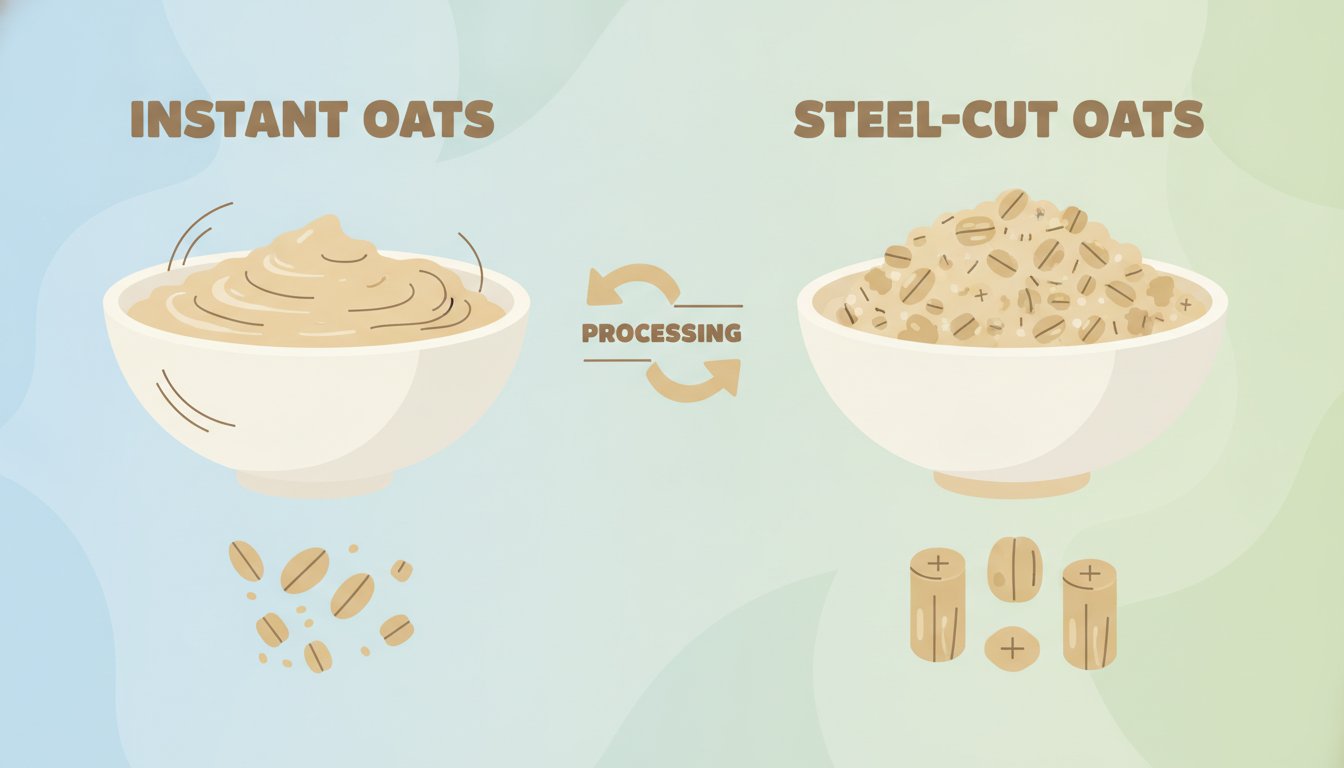
Not All Oats Are Created Equal: The Processing Spectrum
When you walk down the breakfast aisle, you will find several different types of oats. The level of physical processing they undergo directly dictates how quickly they turn into sugar in your body.
- Instant Oats (GI ~70–80): These are pre-cooked, dried, and rolled incredibly thin. Because they are highly processed, your digestive enzymes convert them into glucose almost instantly, mimicking simple sugars.
- Rolled Oats (GI ~55–60): These oats are steamed and flattened. They offer a middle ground, requiring moderate digestion time, but they can still cause significant spikes if eaten alone.
- Steel-Cut Oats (GI ~52): Also known as Irish oats, these are whole oat groats chopped into two or three pieces with steel blades. They undergo minimal processing, retaining their dense, fibrous structure. This physical barrier forces your body to digest them slowly, resulting in a much flatter glucose curve.
Selecting steel-cut or whole oat groats is your first line of defense against unexpected glucose surges.
5 Step-by-Step Hacks to Stop Oatmeal Glucose Spikes
Fortunately, you do not have to banish oatmeal from your pantry. By applying a few simple, science-backed culinary hacks, you can dramatically slow down carbohydrate absorption and keep your blood sugar stable.
1. Build a "Protein, Fat, and Fiber" Shield
Eating carbohydrates entirely by themselves is a recipe for a rapid glucose spike. To prevent this, you should always "clothe" your carbs. Adding healthy fats, proteins, and extra fiber slows down gastric emptying—the rate at which food leaves your stomach and enters your small intestine.
To build this metabolic shield, stir in one tablespoon of chia seeds or ground flaxseeds for extra soluble fiber. Top your bowl with a handful of walnuts or almonds for healthy fats, and stir in a scoop of high-quality protein powder. This combination transforms a quick-burning carb meal into a slow-releasing energy source.
2. Change Your Food Order
Did you know that the order in which you eat your food can change your post-meal glucose spike by up to 70%? Research shows that eating protein, fats, and fiber before carbohydrates significantly reduces postprandial (post-meal) glucose excursions.
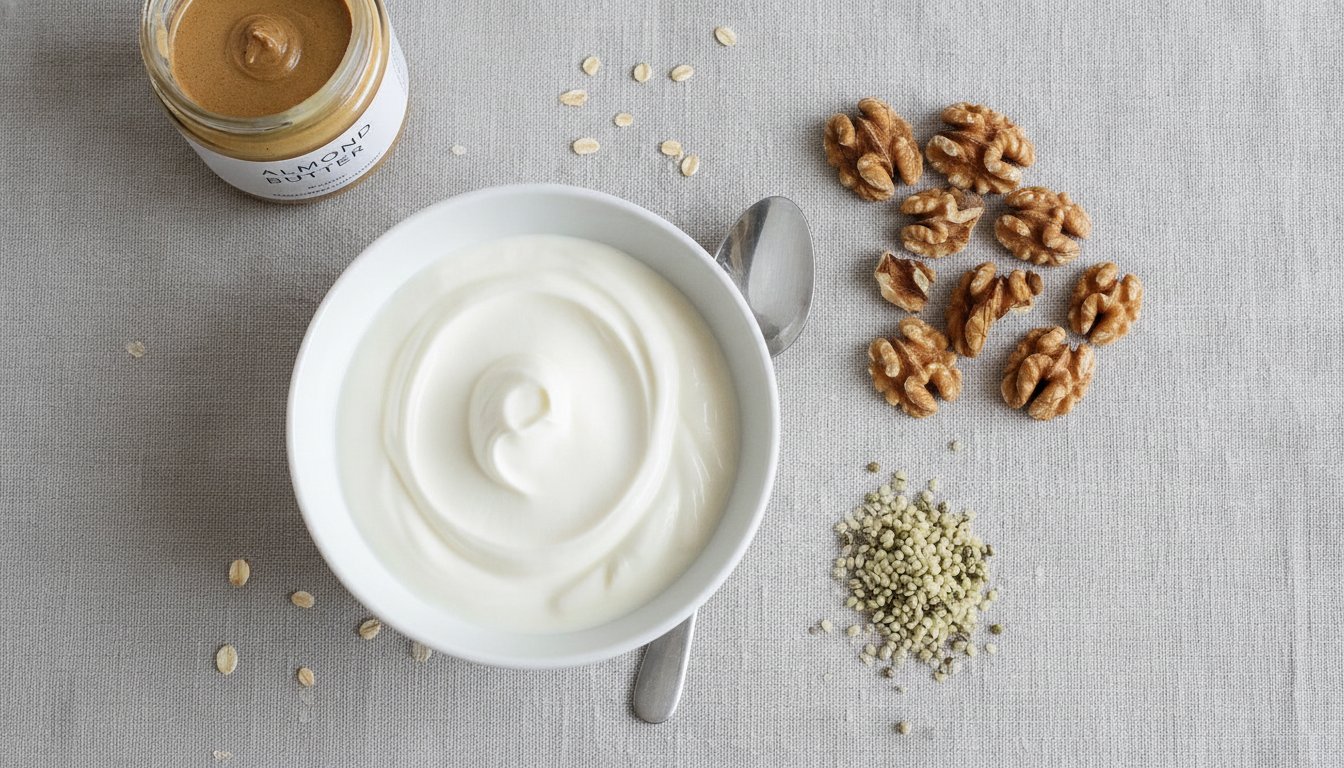
Before you touch your oatmeal, eat a small starter rich in protein or healthy fats. This could be a half-cup of unsweetened Greek yogurt, a handful of almonds, or two scrambled eggs. By the time the oats reach your digestive tract, the protein and fat have already slowed down your stomach's motility, preventing a rapid rise in blood sugar.
3. Use the "Cook and Cool" Method (Resistant Starch)
This is one of the most fascinating hacks in metabolic science. When you cook starch-rich foods like oats and then let them cool in the refrigerator overnight, a chemical process occurs where the digestible starches recrystallize into "resistant starch."
Resistant starch literally resists digestion in your small intestine. Instead, it travels to your large intestine, where it feeds your beneficial gut bacteria. This process not only lowers the overall glycemic impact of the oats but also improves your overall insulin sensitivity. You can make overnight oats with rolled oats, leave them in the fridge, and eat them cold or gently reheated the next morning for a fraction of the usual glucose spike.
4. Transition to Savory Oats
Most of us are accustomed to sweet oatmeal loaded with maple syrup, honey, bananas, or dried fruit. Unfortunately, these toppings act like a double-dose of fast-acting sugars on top of an already carbohydrate-dense meal.
Try shifting your palate toward savory oats. Cook your steel-cut oats in bone broth instead of water or milk. Top them with a fried egg, sautéed spinach, mushrooms, and a drizzle of extra virgin olive oil. This savory twist naturally eliminates added sugars while packing the meal with metabolic-friendly fats and micronutrients.
5. Harness the Power of Cinnamon and Acid
Certain kitchen ingredients possess natural glucose-lowering properties. Cinnamon, particularly Ceylon cinnamon, has been shown to improve insulin sensitivity and mimic insulin's effects, helping glucose enter your cells more efficiently.
Additionally, incorporating an acidic element can slow down starch digestion. Stirring in a spoonful of acidic Greek yogurt or adding a splash of lemon juice can slow the enzymatic breakdown of the starches, helping to flatten your glucose curve.
How to Test Your Personal Oatmeal Response
Every individual's metabolic system is unique. What causes a sharp blood sugar spike of 180 mg/dL in one person might only raise another person's level to 110 mg/dL. Factors like your gut microbiome, stress levels, sleep quality, and baseline insulin sensitivity play massive roles in how you tolerate oats.
The most effective way to understand your personal response is to track your numbers using a continuous glucose monitor (CGM). By monitoring your glucose curves in real-time, you can see exactly how traditional oatmeal affects you versus oatmeal prepared with our metabolic hacks.
Using a specialized glucose tracking app like GlucoAI makes this process seamless. GlucoAI allows you to log your meals, track your post-meal glucose trends, and receive personalized insights. You can easily compare your "before" and "after" curves to see which hacks work best for your unique body.
Summary and Key Takeaways
Managing your blood sugar does not mean you have to give up the comforting foods you love. It simply requires a smarter, more mindful approach to how you prepare and consume them.
- Choose minimal processing: Opt for steel-cut oats over instant varieties to slow down natural digestion.
- Always add partners: Never eat oats plain; always mix in healthy fats, proteins, and extra fiber to build a digestive shield.
- Try overnight cooling: Utilize the "cook and cool" method to create blood-sugar-friendly resistant starch.
- Go savory: Swap sweet syrups and sweet fruits for savory toppings like eggs, spinach, and olive oil.
- Track your trends: Use a glucose tracking app to see exactly how your body responds to these modifications.
By making these minor adjustments, you can transform oatmeal from a blood sugar trigger into a sustained, nourishing source of morning energy. If you are ready to take control of your metabolic health and discover the exact foods that keep your glucose stable, download GlucoAI today. Start logging your breakfast experiments and unlock the personalized insights your body has been trying to tell you.
GlucoAI — Smart Blood Sugar Monitor
Track, analyze, and optimize your glucose levels with AI-powered insights.