
- Published on
Berberine and Glucose: Science of Nature's Metformin
If you’ve been browsing wellness forums or social media lately, you have likely come across a vibrant yellow supplement being hailed as "Nature’s Metformin." It’s called berberine, and it has quickly become one of the most talked-about natural compounds in the world of metabolic health. But does it actually live up to the hype? For those of us managing blood sugar levels, the promise of a plant-based compound that mimics a leading pharmaceutical is incredibly enticing.
However, navigating the world of supplements can feel like walking through a maze. With so much anecdotal evidence and "viral" success stories, it’s essential to step back and look at the hard science. Is berberine a legitimate tool for glucose management, or is it just another passing trend? In this guide, we will explore the mechanisms behind berberine, how it compares to traditional treatments, and—most importantly—how you can use tools like CGMs and glucose tracking apps to see if it actually works for your unique body.
What Exactly is Berberine?
Berberine isn't a new discovery. In fact, it has been a staple in Traditional Chinese Medicine (TCM) and Ayurvedic medicine for thousands of years. It is a bioactive alkaloid—a naturally occurring compound—found in several different plants, including European barberry, goldenseal, goldthread, Oregon grape, and tree turmeric.
Historically, it was used to treat infections and digestive issues. Today, however, the focus has shifted toward its profound impact on metabolic health. When you take a berberine supplement, it travels into your bloodstream and travels into your cells. There, it binds to several different molecular targets and changes their function. This is very similar to how pharmaceutical drugs work, which is why berberine is often treated with more "respect" in the scientific community than many other herbal supplements.
The most notable feature of berberine is its ability to activate an enzyme inside cells called AMP-activated protein kinase (AMPK). This enzyme is often referred to as a "metabolic master switch." It plays a crucial role in regulating metabolism and energy levels and is found in cells throughout your body, including the brain, muscles, liver, and kidneys.

The Science: How Berberine Manages Glucose
To understand why berberine is compared to Metformin, we have to look at what happens at the cellular level. When AMPK is activated, it triggers a cascade of events that help your body handle sugar more efficiently. Here are the three primary ways berberine impacts your glucose levels:
1. Improving Insulin Sensitivity
Insulin is the key that lets sugar enter your cells. In many people with prediabetes or Type 2 diabetes, the "locks" on the cells become rusty—this is insulin resistance. Berberine helps "grease the locks," making your cells more responsive to insulin. This means your body doesn't need to produce as much insulin to get the same job done, which helps lower overall blood sugar levels.
2. Decreasing Sugar Production in the Liver
Your liver is like a backup generator; it produces glucose when it thinks you need energy (like during the "Dawn Phenomenon"). However, in metabolic dysfunction, the liver often pumps out too much sugar. Berberine helps signal the liver to slow down this production (gluconeogenesis), leading to lower fasting blood glucose levels.
3. Slowing Carbohydrate Breakdown in the Gut
Berberine also works in the digestive tract. It inhibits certain enzymes that break down carbohydrates into simple sugars. By slowing this process, it prevents the sharp "spikes" that usually occur after a high-carb meal. This makes it an excellent tool for those looking to flatten their glucose curves.
Berberine vs. Metformin: The "Nature's Metformin" Label
The comparison to Metformin isn't just marketing—it's based on clinical observations. Metformin, the most widely prescribed drug for Type 2 diabetes, also works primarily by activating AMPK.
In a landmark study published in the journal Metabolism, researchers compared the effects of berberine and Metformin in patients with newly diagnosed Type 2 diabetes. The results were startling: berberine produced nearly identical results to Metformin in lowering blood glucose levels. Both groups saw a significant drop in their A1C (average blood sugar level over 3 months), falling from an average of 9.5% to 7.5% over the course of three months.
However, there is a catch. While berberine is natural, "natural" does not always mean "side-effect-free." Just like Metformin, berberine can cause gastrointestinal issues like cramping, diarrhea, or constipation in some users. This is why it is vital to start with a lower dose and, most importantly, please consult your doctor before adding berberine to your regimen, especially if you are already taking blood-sugar-lowering medications.
The Added Benefits: Beyond Blood Sugar
While we focus on glucose, berberine is a "multi-tasker." Because it activates the AMPK switch, it affects several other markers of metabolic health:
- Weight Management: Some studies suggest berberine can inhibit the growth of fat cells at the molecular level and improve the function of fat-regulating hormones like insulin, leptin, and adiponectin.
- Cholesterol and Heart Health: Berberine has been shown to lower LDL (the "bad") cholesterol and triglycerides while raising HDL (the "good") cholesterol. This is a significant advantage, as many people with glucose issues also struggle with cardiovascular markers.
- Anti-inflammatory Properties: Chronic high blood sugar often leads to systemic inflammation. Berberine’s antioxidant and anti-inflammatory effects can help protect the blood vessels and organs from the damage caused by glucose variability.
How to Use Berberine Effectively
If you and your healthcare provider decide that berberine is right for you, there are a few practical tips to ensure you get the most out of it:
Bioavailability Matters
One of the biggest challenges with berberine is that it is not easily absorbed by the body. To overcome this, most supplements are sold in 500 mg capsules. Many experts recommend taking berberine with a meal, or shortly before, to take advantage of the glucose-lowering effects on that specific meal and to improve absorption via the fats and oils in your food.
The Typical Dosage
A common dosage used in clinical trials is 1,500 mg per day, divided into three doses of 500 mg each (taken before breakfast, lunch, and dinner). Dividing the dose helps maintain stable levels in your bloodstream and reduces the risk of stomach upset.
Tracking the Impact
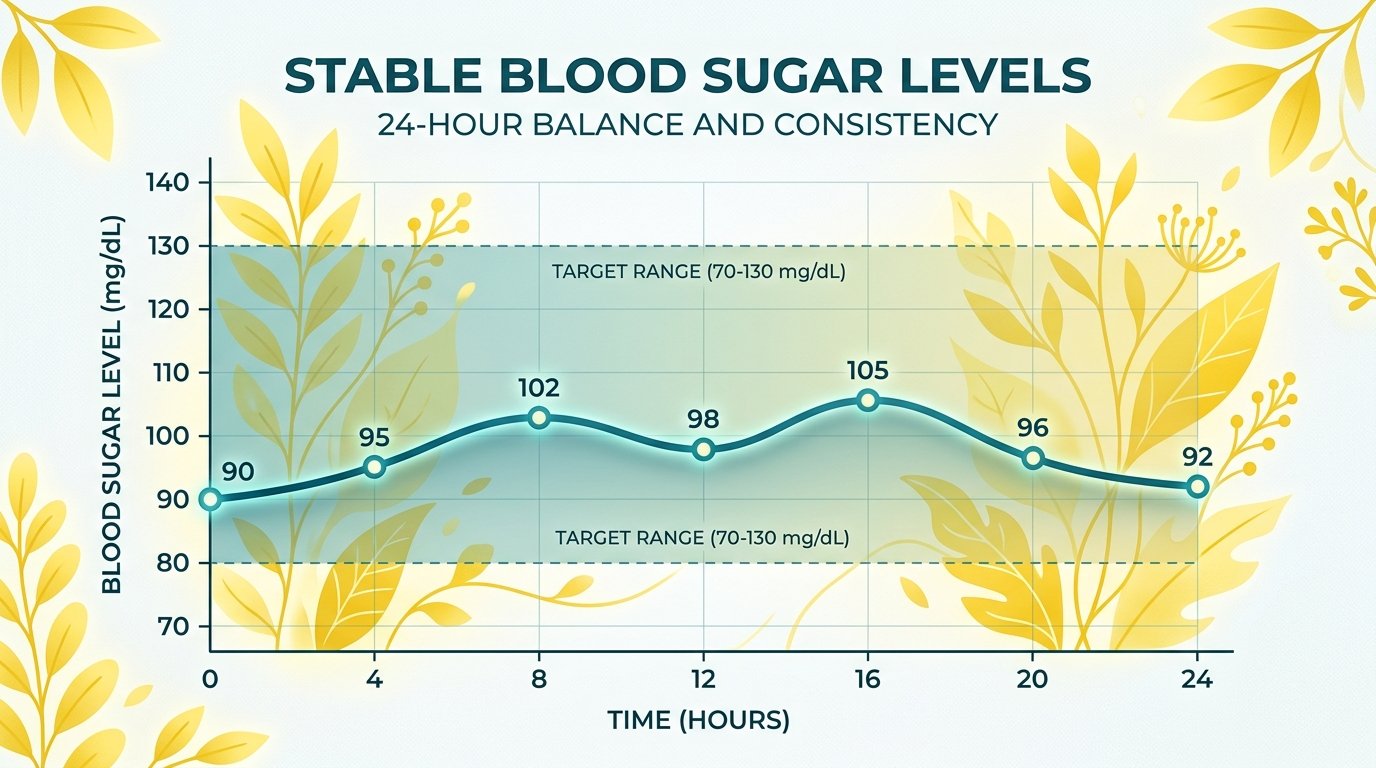
This is where technology becomes your best friend. Because everyone’s metabolism is different, berberine might work wonders for one person and do very little for another. Using a CGM (Continuous Glucose Monitor) or a traditional finger-prick meter allows you to see the data in real-time.
When you start a new supplement like berberine, use a tool like GlucoAI to log your doses alongside your meals. By looking at your glucose charts, you can answer questions like:
- Did my post-meal spike decrease after I started taking berberine?
- Is my fasting blood sugar lower in the morning?
- Am I experiencing fewer "crashes" during the day?
For more on how to read these patterns, you might find our Beginner's Guide to Interpreting CGM Data helpful.
Potential Risks and Considerations
We must emphasize that berberine is a potent compound. It can interact with other medications, particularly those metabolized by the liver. If you are already on Metformin or insulin, adding berberine could potentially lead to hypoglycemia (low blood sugar), which can be dangerous.
Furthermore, berberine is not recommended for pregnant or breastfeeding women, as it can cross the placenta and may cause harm to the developing fetus. Always prioritize safety over supplements.
Summary: Key Takeaways
Berberine is one of the few natural supplements that is backed by robust clinical evidence. Its ability to activate the "metabolic master switch" (AMPK) makes it a powerful ally in the quest for stable blood sugar and improved insulin sensitivity.
Key points to remember:
- Science-Backed: Berberine works similarly to Metformin by activating the AMPK enzyme.
- Effective: Studies show it can significantly lower
A1Cand fasting glucose. - Multi-benefit: It may also help with weight loss, cholesterol, and inflammation.
- Caution Required: GI side effects are common, and doctor consultation is mandatory due to potential drug interactions.
- Monitor Your Progress: Data is the only way to know if it’s working. Use a glucose tracking app to correlate your supplement intake with your glucose levels.
Managing your metabolic health is a journey of discovery. Whether you are using natural tools like berberine, lifestyle changes like post-meal walking, or pharmaceutical interventions, the goal is always the same: stability and longevity.
Ready to see how your body reacts to your lifestyle and supplements? Start logging your meals and glucose levels today. By using GlucoAI to analyze your data, you can move beyond guesswork and start making decisions based on what your body is actually telling you. Consistent monitoring is the bridge between "trying a supplement" and "optimizing your health."
GlucoAI — Smart Blood Sugar Monitor
Track, analyze, and optimize your glucose levels with AI-powered insights.