
- Published on
Managing the Pizza Effect: Handling Delayed Glucose Spikes
Have you ever enjoyed a few slices of your favorite pizza, checked your blood sugar an hour later, and felt a sense of triumph because your numbers were perfectly stable? You might have thought you "got away with it," only to find yourself staring at a frustratingly high number four, six, or even eight hours later. If this sounds familiar, you have experienced the "Pizza Effect."
It is one of the most puzzling challenges in glucose management. For many of us living with diabetes or tracking our metabolic health, pizza is the ultimate "math problem." It isn't just about the carbohydrates in the crust; it is about how the high fat and protein content change the way your body processes those carbs. Understanding why this happens is the first step toward enjoying your favorite foods without the midnight glucose rollercoaster.
The Science Behind the "Pizza Effect"
To understand the Pizza Effect, we have to look at how our digestive system handles different macronutrients. Typically, when you eat simple carbohydrates, your body breaks them down into glucose quickly. This usually leads to a spike within 30 to 60 minutes. However, pizza is a complex mixture of refined flour (carbs), heavy cheese (fat and protein), and often high-fat meats like pepperoni.
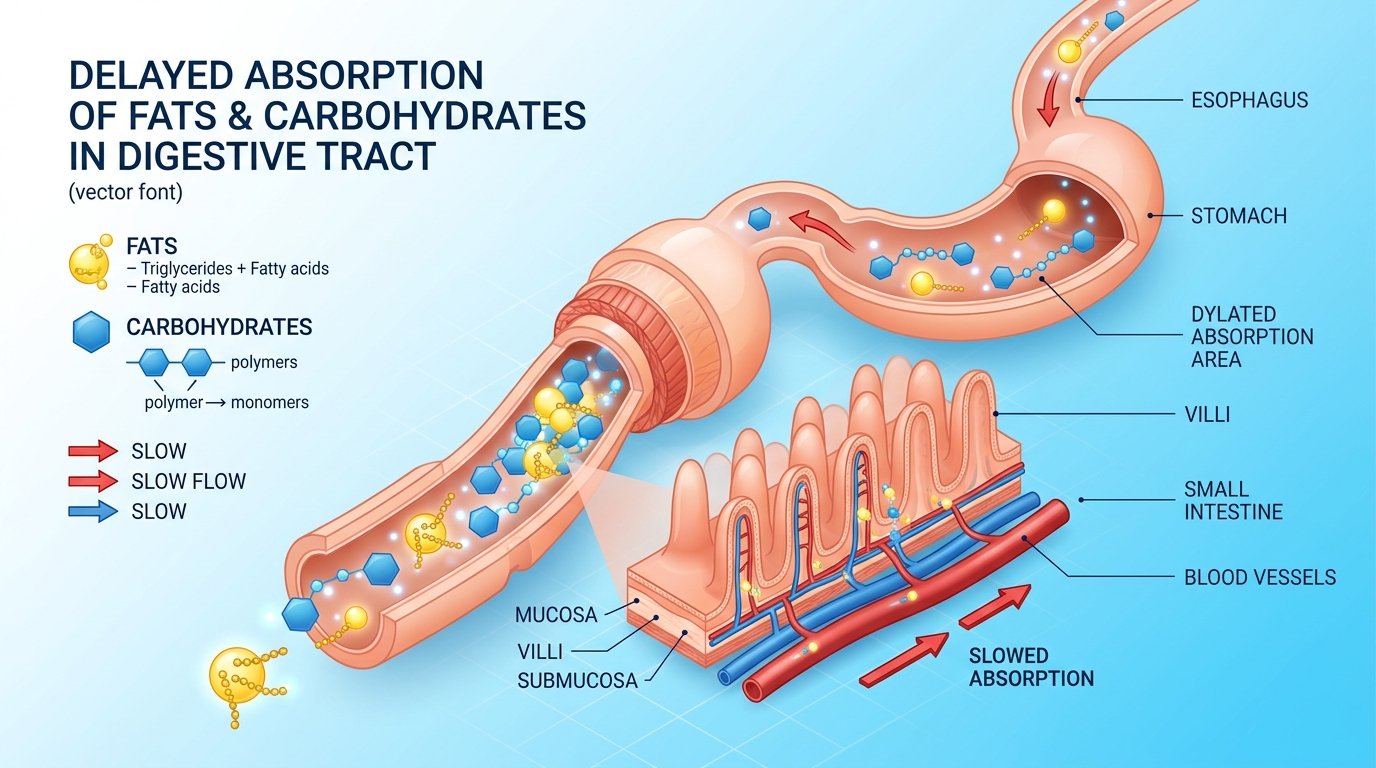
Fat is the primary "brake" in this equation. It slows down gastric emptying, which is the speed at which food leaves your stomach and enters the small intestine. Because the fat in the cheese and toppings slows everything down, the carbohydrates in the crust don't hit your bloodstream all at once. Instead, they trickle in over several hours.
Furthermore, high levels of dietary fat can cause a temporary state of insulin resistance. Research has shown that high-fat meals can elevate free fatty acids in the blood, making it harder for insulin to do its job of ushering glucose into your cells. The result? A delayed, stubborn rise in blood sugar that lingers long after the meal is over.
Why the Standard "Bolus" Often Fails
For those who use insulin, a standard "pre-bolus" (taking insulin 15–20 minutes before eating) is designed to match the rapid peak of most carbohydrates. But with pizza, the insulin often peaks and begins to leave your system before the bulk of the glucose from the crust finally arrives. This can lead to a "double whammy": a low blood sugar shortly after eating because the insulin worked too fast, followed by a massive spike hours later when the insulin is gone but the pizza is still being digested.
Even if you aren't on insulin, your pancreas faces a similar struggle. It produces an initial burst of insulin that handles the first bit of glucose, but it may struggle to keep up with the slow, steady stream of sugar that follows over the next six hours. This is why many people see their highest readings of the day at 2:00 AM after a pizza dinner.
The Role of Protein
While fat gets most of the blame for the delay, protein also plays a part. In large amounts—like the extra cheese or meat on a "Meat Lover's" pie—protein can also be converted into glucose through a process called gluconeogenesis. While this process is slow, it adds another layer to the delayed rise, contributing to that late-night peak.
Strategies to Master the Pizza Spike
Managing the Pizza Effect requires a shift in strategy. You aren't just managing a meal; you are managing a 6-to-8-hour metabolic event. Here are several practical ways to level out the curve.
1. The "Fiber First" Rule
One of the most effective ways to blunt any glucose spike is to change your food order. Start your meal with a large green salad dressed in vinegar and olive oil. Fiber creates a "mesh" in your digestive tract that further slows the absorption of glucose. Additionally, the acetic acid in vinegar has been shown to improve insulin sensitivity. By the time you reach for that first slice, your body is better prepared to handle the incoming load.
2. Choose Your Toppings Wisely
Not all pizzas are created equal. A thin-crust pizza with plenty of vegetables and lean protein (like grilled chicken) will behave very differently than a deep-dish pizza loaded with stuffed crust and greasy sausage.
- Thin Crust: Reduces the total carbohydrate load.
- Veggie Loaded: Adds fiber to the meal.
- Blot the Oil: It might feel a bit awkward at a restaurant, but dabbing the excess grease off your pizza with a napkin can significantly reduce the total fat content, potentially reducing the duration of the delayed spike.
3. The Power of the "Pizza Walk"
Light physical activity after a high-carb, high-fat meal can work wonders. A 20-to-30-minute walk shortly after eating helps your muscles soak up some of that initial glucose without requiring as much insulin. While it might not stop the 6-hour spike entirely, it lowers the "starting point" of that rise, making the peak much more manageable.
Using Data to Crack the Code
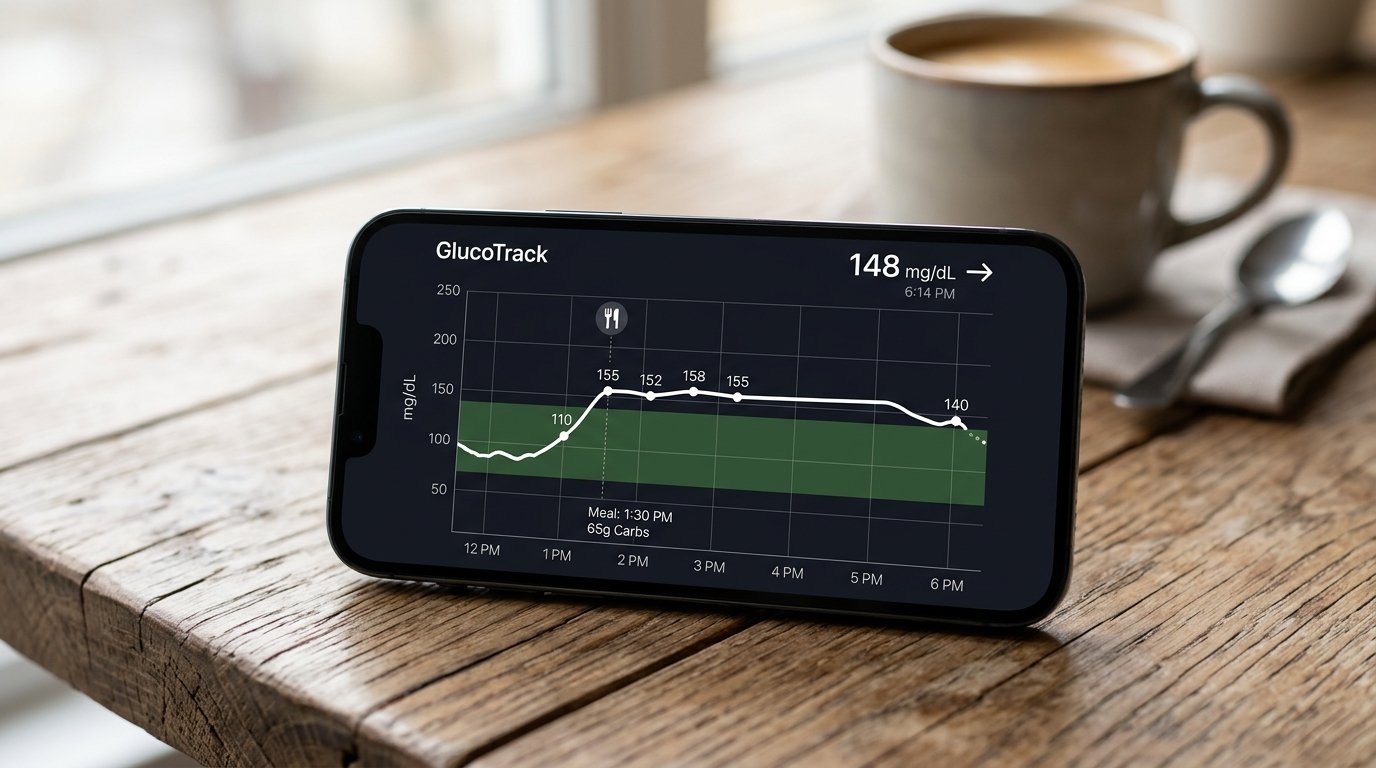
The best way to handle the Pizza Effect is to stop guessing and start tracking. Every person's body reacts to fat and carbs differently. This is where tools like a Continuous Glucose Monitor (CGM) and smart tracking apps become invaluable.
When you use GlucoAI to log your meals, you can begin to see patterns that aren't obvious on a standard blood glucose meter. By tagging a meal as "Pizza" and monitoring your trends over the next eight hours, you can identify exactly when your personal "delayed spike" occurs. Does it happen at hour four? Hour six? Once you know your timing, you can work with your healthcare provider to adjust your management plan.
For example, many insulin users utilize a "dual-wave" or "square-wave" bolus on their insulin pumps. This delivers a portion of the insulin upfront and the rest gradually over several hours. If you aren't on a pump, some people discuss "splitting" their dose with their doctor—taking half the insulin when they eat and the other half two hours later.
Note: Always consult your doctor before changing how you take your prescribed medications or insulin.
Practical Takeaways for Your Next Pizza Night
You don't have to banish pizza from your life to maintain healthy glucose levels. It is all about preparation and observation.
- Hydrate: Dehydration can make blood sugar readings appear higher. Drink plenty of water throughout the evening.
- Portion Awareness: Instead of four slices of pizza, try having two slices and a large side of roasted vegetables or a salad.
- Don't Correct Too Early: If you see your sugar is 140 mg/dL two hours after pizza, be cautious about taking extra insulin (a "correction dose") too soon. Because of the delayed digestion, you might end up with "insulin stacking," where the correction dose and the original dose overlap, leading to a dangerous low later on.
- Track the "Aftermath": Use a glucose tracking app to see how you feel the next morning. High overnight glucose can lead to "brain fog" and fatigue the next day.
Summary
The "Pizza Effect" is a biological reality caused by the combination of high fat, protein, and carbohydrates slowing down digestion and increasing temporary insulin resistance. To manage it effectively:
- Start with fiber (a salad) to slow glucose absorption further.
- Opt for thinner crusts and vegetable toppings to reduce the carb and grease load.
- Engage in light movement after the meal to help your muscles use the glucose.
- Monitor your data using a CGM and GlucoAI to find your specific "spike timing."
- Consult your medical team about advanced dosing strategies like split boluses.
Managing your health shouldn't mean giving up the foods you love. It means becoming a "metabolic detective." By paying attention to how your body responds to complex meals and using the right tools to track your progress, you can enjoy your pizza night and wake up with numbers you’re proud of.
Ready to see how your favorite meals affect your trends? Start logging your dinner tonight in GlucoAI and take the guesswork out of your glucose management!
GlucoAI — Smart Blood Sugar Monitor
Track, analyze, and optimize your glucose levels with AI-powered insights.