
- Published on
CGM for Weight Loss: A Beginner’s Guide to Success
Have you ever felt like you’re doing everything "right"—eating salads, hitting the gym, and skipping the donuts—but the scale still won't budge? It is a frustrating cycle that many of us know all too well. While traditional weight loss advice focuses almost entirely on "calories in versus calories out," there is a deeper, more personal layer to the story: your metabolic health.
For years, Continuous Glucose Monitors (CGMs) were seen strictly as tools for managing type 1 or type 2 diabetes. However, a metabolic revolution is happening. People are realizing that understanding how their blood sugar responds to food, stress, and sleep is the "missing link" in achieving sustainable weight loss. By monitoring your glucose in real-time, you can stop guessing and start eating for your unique biology.
In this guide, we will explore how you can use a CGM as a powerful compass for your weight loss journey. We’ll break down the science of insulin, how to identify your personal "trigger foods," and how to use data to finally reach your goals without the restrictive "yo-yo" dieting.
The Science: Why Glucose Matters for Weight Loss
To understand how a CGM helps with weight loss, we first need to talk about insulin. Often called the "master storage hormone," insulin’s primary job is to move glucose (sugar) out of your bloodstream and into your cells for energy.
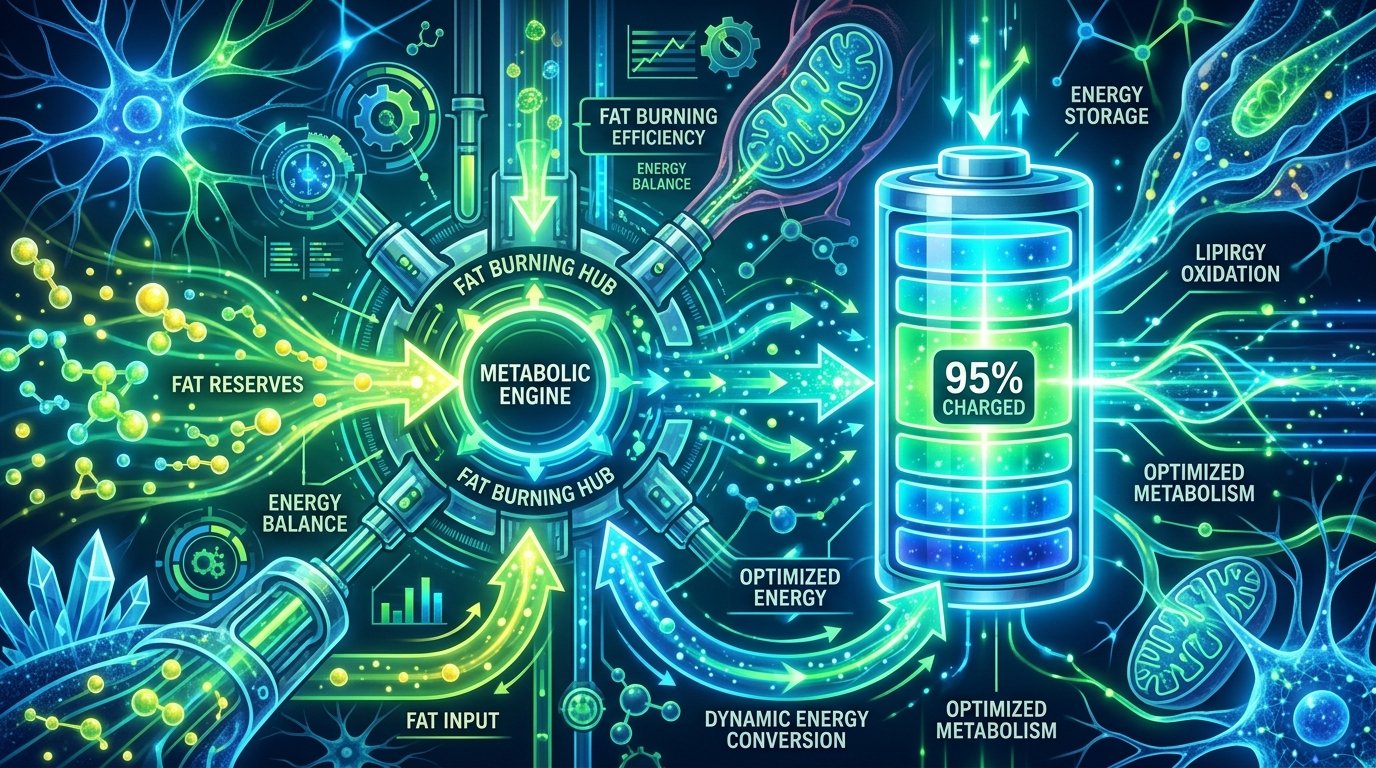
When you eat something that causes a sharp spike in blood sugar, your pancreas releases a large amount of insulin to handle the load. While this keeps your blood sugar safe, high levels of insulin send a clear signal to your body: "Store energy, and do not burn fat." As long as insulin levels remain high, your body stays in storage mode, making it biologically difficult to access stored body fat for fuel.
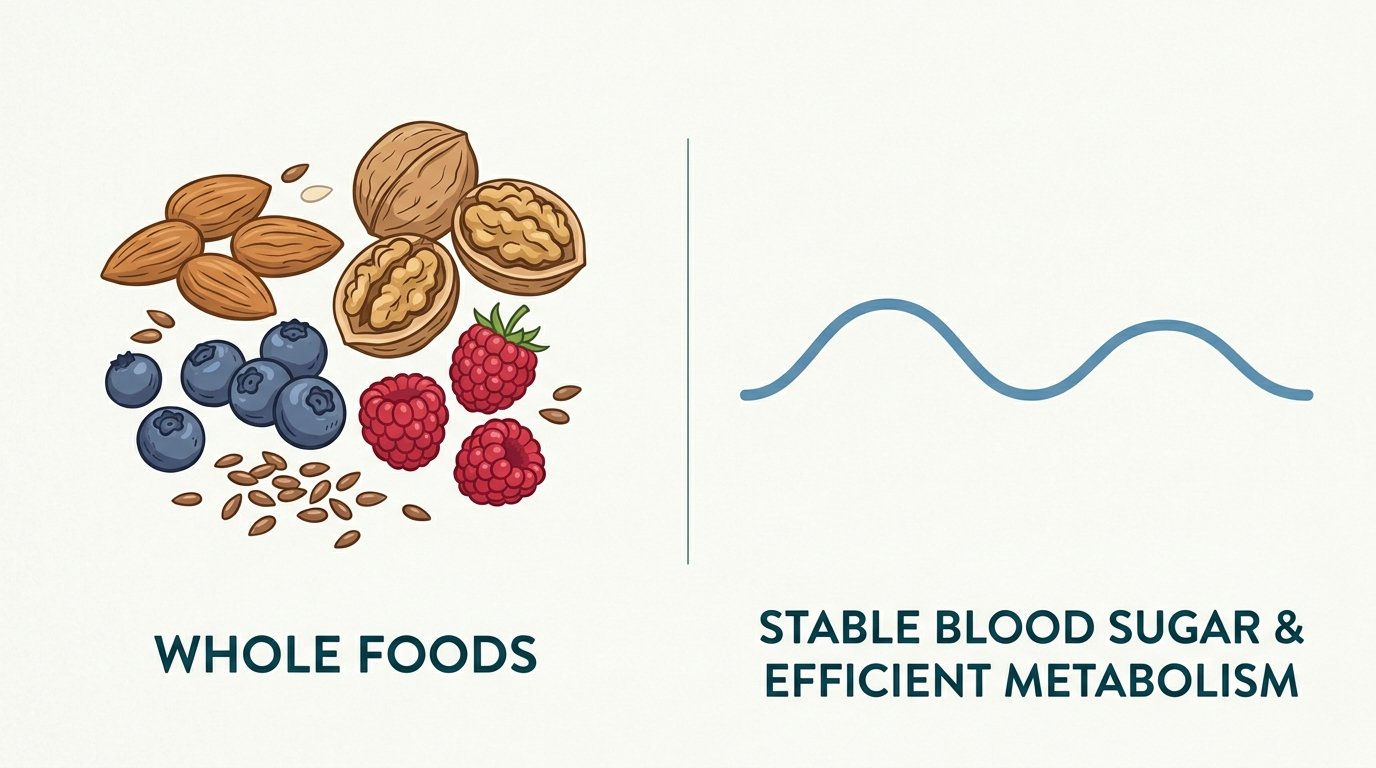
By using a CGM, your goal isn't just to avoid "high" numbers; it is to achieve "glucose stability." When you flatten your glucose curves, you minimize those massive insulin spikes. This allows your body to transition more easily into fat-burning mode, leading to more sustainable weight loss and fewer of those "hangry" energy crashes that lead to overeating.
Phase 1: The Discovery Week (No Changes Required)
The biggest mistake beginners make when they first apply a CGM is trying to "fix" their diet on day one. If you change everything immediately, you won't know which of your old habits were actually causing the problem.
For the first seven days, we recommend a "Discovery Phase." Eat your normal meals, follow your usual exercise routine, and simply observe. During this week, pay close attention to:
- The Breakfast Test: Does your "healthy" oatmeal cause a spike of 50 mg/dL or more? Or does it keep you stable?
- The Afternoon Slump: When you feel tired at 3:00 PM, look at your CGM. Are you crashing from a lunch-time spike?
- Stress Responses: Notice how your glucose reacts during a stressful work meeting or a poor night's sleep.
By gathering this baseline data, you create a personalized map of your metabolism. You might find that white rice sends your sugar soaring, while your best friend can eat it with no issues. This bio-individuality is why "one-size-fits-all" diets often fail.
Phase 2: Identifying Your Personal Glucose Triggers
Once you have your baseline, it’s time to play detective. Sustainable weight loss happens when you swap out the foods that cause massive spikes for foods that provide steady energy.
The "Spike" Threshold
In general, for weight loss and metabolic health, you want to aim for a post-meal rise of no more than 30 mg/dL (milligrams per deciliter) from your pre-meal starting point. If a meal sends you from 90 mg/dL to 150 mg/dL, that’s a 60-point spike. That’s a sign that your body is likely pumping out a lot of insulin, which might be stalling your weight loss.
Common Culprits vs. Surprises
While we know that sugary sodas and cakes cause spikes, you might be surprised by "hidden" triggers. Some people see huge spikes from:
- "Healthy" smoothies packed with fruit but no fiber.
- Sushi rice (which is often seasoned with sugar).
- Artificial sweeteners that may still trigger a metabolic response in some individuals.
- Excessive caffeine on an empty stomach, which can trigger a cortisol-induced glucose rise.
Using a Glucose Tracking App
Trying to remember what you ate three hours ago when you see a spike on your graph is difficult. Using a glucose tracking app like GlucoAI allows you to log your meals alongside your CGM data. When you see a spike, you can look back and say, "Ah, it was the dressing on that salad," or "It was the lack of protein in my breakfast." This context is what turns raw data into actionable knowledge.
Phase 3: Actionable Strategies to Flatten the Curve
You don't have to give up all your favorite foods to lose weight. Instead, use these CGM-proven "hacks" to lower your glucose response:
- Change the Food Order: Eat your fiber (veggies) first, then your protein and fats, and save the starches/carbs for last. Research shows this can significantly reduce the glucose spike of the same meal.
- Add a "Buffer": Never eat "naked" carbs. If you want an apple, pair it with almond butter. The fat and protein slow down the absorption of sugar.
- The 10-Minute Walk: One of the most effective ways to blunt a spike is a short walk immediately after eating. Your muscles use the glucose for energy before it has a chance to flood your bloodstream.
- Vinegar Before Meals: A tablespoon of apple cider vinegar in a tall glass of water before a carb-heavy meal can improve insulin sensitivity and lower the subsequent spike.
The Role of Sleep and Stress in Weight Loss
One of the most eye-opening experiences for new CGM users is seeing how much non-food factors impact their numbers. You could eat the perfect diet, but if you are chronically stressed or sleeping only five hours a night, your weight loss will likely stall.
When you are sleep-deprived, your body becomes more insulin resistant. This means the same piece of toast that caused a 20 mg/dL rise yesterday might cause a 50 mg/dL rise today simply because you didn't sleep well. Similarly, high cortisol (the stress hormone) tells your liver to release stored glucose into the blood for a "fight or flight" response. If you aren't actually fighting a tiger, that sugar just sits there, triggering insulin and promoting fat storage around the midsection.
Managing "Glucose Obsession"
While a CGM is a fantastic tool, it is important to maintain a healthy relationship with the data. It is easy to become obsessed with every tiny wiggle on the graph. Remember:
- Trends over Ticks: Look at your 7-day or 14-day averages rather than a single high reading.
- GMI and A1C: Pay attention to your Glucose Management Indicator (GMI), which is an estimate of your A1C (average blood sugar level over 3 months) based on your CGM data.
- Don't Fear Food: The goal is to inform your choices, not to make you afraid to eat. If you have a spike, don't beat yourself up. Use it as data for the next time.
Note: Always consult your doctor before making significant changes to your diet or exercise routine, especially if you are taking medications for blood sugar or blood pressure.
Summary: Your Roadmap to Success
Using a CGM for weight loss is about moving from "guessing" to "knowing." By stabilizing your blood sugar, you are essentially opening the doors to your body's fat stores.
Key Takeaways:
- Insulin is the Key: High glucose spikes lead to high insulin, which blocks fat burning.
- Bio-individuality Rules: Your body responds differently to foods than anyone else's. Use the Discovery Phase to find your triggers.
- Small Tweaks, Big Results: Use food ordering, post-meal walks, and "buffering" carbs to flatten your curves.
- Look at the Big Picture: Sleep, stress, and hydration are just as important as the food on your plate.
- Use the Right Tools: Combine your CGM with a tracking tool like GlucoAI to make sense of your data and see the patterns that lead to success.
Ready to take control of your metabolic health? Start by tracking your meals and monitoring your responses consistently. Small, data-driven habits lead to the biggest, most sustainable improvements. If you're looking for a way to simplify this data and get personalized insights, consider using a dedicated glucose management tool to help you stay on track. Your journey to a healthier, more energetic you starts with the very next bite!
GlucoAI — Smart Blood Sugar Monitor
Track, analyze, and optimize your glucose levels with AI-powered insights.