
- Published on
Artificial Sweeteners and Glucose: Fact vs. Myth
Have you ever reached for a diet soda, thinking you were making a "sugar-free" choice that would keep your blood glucose levels perfectly stable? You aren't alone. For many people managing diabetes or working on their metabolic health, artificial sweeteners seem like the ultimate tool to satisfy a sweet tooth without the dreaded post-meal spike.
But does "zero calories" actually mean "zero impact" on your body? The relationship between non-nutritive sweeteners and our metabolic system is more complex than the labels on our favorite snacks suggest. Let’s dive into the science to separate the facts from the myths so you can make informed choices about what goes into your body.
What Are Artificial Sweeteners?
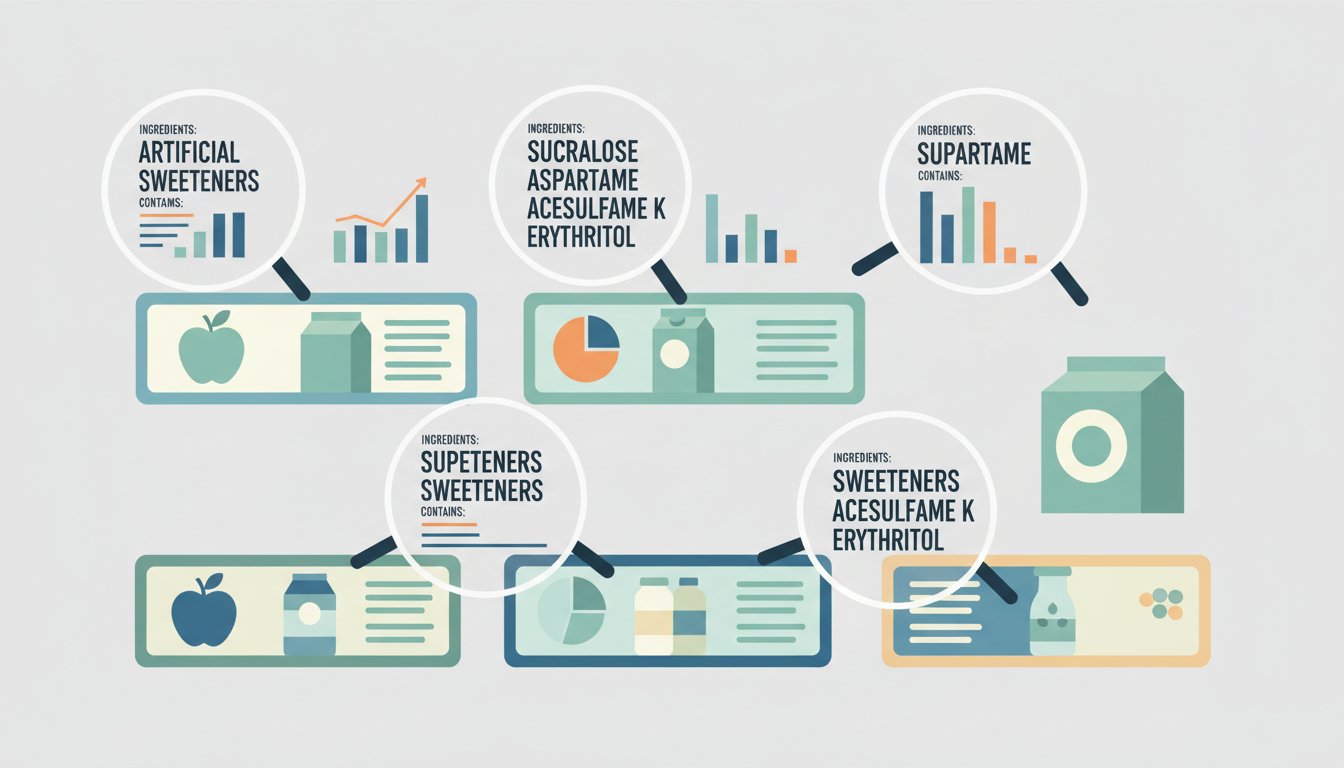
Artificial sweeteners, or non-nutritive sweeteners, are synthetic or natural sugar substitutes that provide a sweet taste with little to no calories. They are often hundreds of times sweeter than table sugar (sucrose), which is why you only need a tiny amount to achieve the same level of sweetness.
Common examples you likely see on ingredient labels include:
- Aspartame
- Sucralose
- Saccharin
- Stevia (a plant-derived, natural sweetener)
- Sugar alcohols (like erythritol or xylitol)
While these substances are regulated and considered safe for consumption by major health authorities like the FDA, the question remains: how do they interact with your glucose and insulin levels?
The Myth: Sweeteners Are Completely Inert
A common misconception is that because artificial sweeteners lack carbohydrates, they are biologically inert—meaning your body ignores them entirely. If it doesn't contain glucose, how could it possibly raise your blood sugar?
The reality is that your body is a sophisticated system that sometimes reacts to the signal of sweetness, not just the chemical reality of sugar. While most non-nutritive sweeteners do not cause a direct, immediate spike in blood glucose in the same way a slice of cake would, the story doesn't end there.
The Science: How Sweeteners Affect Your Metabolism
Research into how these substances affect glucose and insulin is ongoing. If you are tracking your numbers using a continuous glucose monitor (CGM) or a tool like GlucoAI, you might notice something interesting when you consume certain sweeteners. Here is what we know so far:
1. The Cephalic Phase Insulin Response
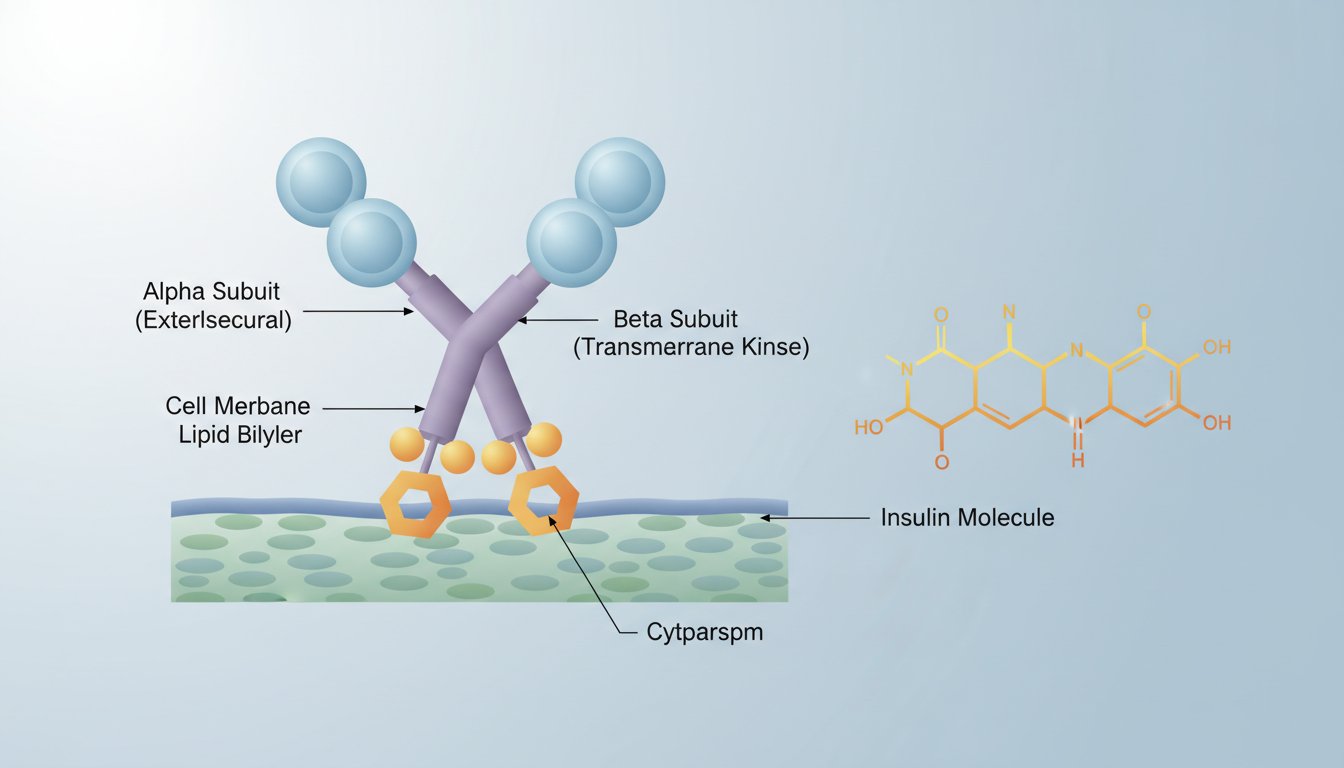
Some studies suggest that the simple act of tasting something sweet can trigger a "cephalic phase insulin response." Your brain detects the sweetness and sends a signal to your pancreas to release insulin in anticipation of incoming glucose. If no glucose arrives, that extra insulin might linger, potentially contributing to feelings of hunger or even slight fluctuations in your blood sugar.
2. Changes to the Gut Microbiome
Emerging research indicates that some artificial sweeteners may alter the composition of your gut bacteria. Your microbiome plays a massive role in glucose metabolism and insulin sensitivity. If these sweeteners disrupt the balance of "good" bacteria in your gut, it could indirectly impact how your body processes real carbohydrates later in the day.
3. The Psychological Factor
Often, consuming artificial sweeteners can maintain a high threshold for sweetness. If you constantly consume intense sweetness, you may find it difficult to enjoy the subtle, natural sweetness of whole foods like berries or vegetables. This can make a healthy, whole-food-based diet feel less satisfying, potentially leading to cravings for more processed, hyper-palatable foods.
Fact vs. Myth: A Quick Breakdown
- Myth: All sweeteners are the same. Fact: They aren't. Some are metabolized differently. For example, sugar alcohols like erythritol have a much lower impact on blood glucose than maltitol, which can cause a significant spike. Always check the label.
- Myth: Switching to diet soda will automatically lower my A1C. Fact: While it reduces your immediate sugar intake, it doesn't address the root of metabolic health. Relying on substitutes without focusing on whole foods often results in stalled progress.
- Myth: Natural sweeteners like Stevia have no impact at all. Fact: While Stevia is generally considered to have a negligible effect on glucose, individual responses vary. Testing your own response is the only way to know for sure.
How to Test Your Own Response
Since everyone’s body reacts differently, the best way to determine if a sweetener is affecting your health is to become your own scientist.
Use Your CGM Data
If you use a CGM, perform a "sweetener test." On a day when your blood sugar is stable, consume a drink or food containing a specific sweetener—like sucralose—in isolation. Watch your glucose curve over the next 2 hours. Did you see a spike? Did your levels dip later? If you see a trend, you have your answer.
Log Your Data
Digital health platforms like GlucoAI allow you to tag specific foods and sweeteners in your logs. Over time, you can look back at your data to see if there is a correlation between your intake of diet products and your overall Time in Range. Understanding your unique metabolic signature is the key to sustainable management.
Practical Tips for Success
If you find that artificial sweeteners aren't causing you issues, you don't necessarily have to banish them forever. However, moderation is key.
- Prioritize Water: Aim for water, sparkling water with a splash of lime, or herbal teas as your primary beverages.
- Read Labels Carefully: Don't just look for "sugar-free." Look at the ingredient list for hidden sources of maltodextrin or dextrose, which are fillers that can raise your blood sugar.
- Focus on Whole Foods: The more you center your diet around fiber-rich vegetables, healthy fats, and proteins, the less your body will crave that artificial sweet hit. You can learn more about how to structure your meals in our guide on food order for better blood sugar control.
Summary
The impact of artificial sweeteners is not black and white. While they won't cause the massive, immediate spikes associated with refined sugar, they may influence your insulin response, your gut health, and your cravings in ways that aren't immediately obvious.
Key Takeaways:
- Individual response matters: Use your glucose monitoring data to see how your body reacts to specific sweeteners.
- Sweeteners aren't "free": They can influence your palate and potentially lead to cravings for processed foods.
- Data is power: Use tools like GlucoAI to track your intake alongside your glucose readings to find what truly works for your metabolic goals.
Managing your health is a journey, not a destination. By paying attention to how your body responds to the choices you make every day, you can build a lifestyle that keeps your glucose stable and your energy high. Please remember that this information is for educational purposes and you should always consult your doctor before making significant changes to your diet, especially if you are on insulin or other diabetes medications.
Ready to gain clearer insights into how your diet affects your health? Start logging your meals and glucose trends with GlucoAI today to turn your data into actionable progress!
GlucoAI — Smart Blood Sugar Monitor
Track, analyze, and optimize your glucose levels with AI-powered insights.