
- Published on
Why Does Blood Sugar Rise When Fasting?
Imagine waking up after a perfect 12-hour fast, expecting to see a beautifully flat line on your glucose monitor, only to find your blood sugar has actually gone up. It feels completely backward, doesn't it? After all, if you haven't eaten a single gram of carbohydrates, where on earth is that sugar coming from?
This frustrating situation is incredibly common, and it often leaves people feeling discouraged, especially when they are trying to manage their health or lose weight. This unexpected rise in blood sugar during a period of not eating is sometimes called a "starvation spike." Understanding why your body behaves this way is the first step toward regaining control of your metabolic health.
In this guide, we will break down the science behind fasting blood sugar spikes, explore the hormones responsible, and share practical steps you can take to keep your numbers steady.
The Physiology of Fasting: How Your Liver Steps In
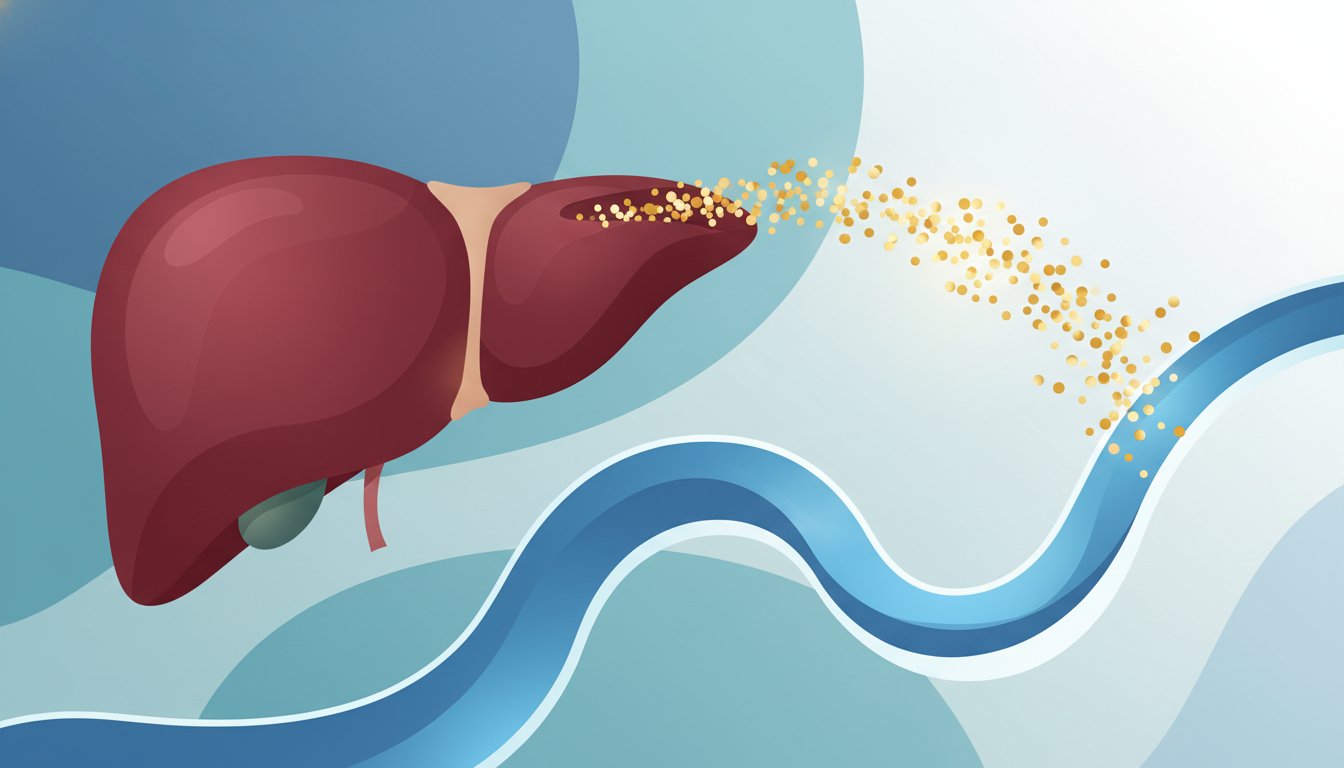
To understand why blood sugar rises when you fast, we have to look at your liver. Your liver acts as your body's smart energy reservoir, constantly working to keep your blood glucose stable. When you are eating regularly, your body uses the carbohydrates from your meals for immediate energy, storing any extra glucose in your liver and muscles as glycogen.
When you fast for several hours, your blood sugar naturally begins to drop because you are not consuming external energy. To prevent your glucose from falling too low—a dangerous state called hypoglycemia—your liver steps in. It begins a process called glycogenolysis, which means it breaks down its stored glycogen back into glucose and releases it into your bloodstream.
If your fast continues for a longer period, your liver starts another process called gluconeogenesis. During this process, your liver actually manufactures brand-new glucose from non-carbohydrate sources, such as amino acids from proteins and glycerol from fats. While this is a brilliant survival mechanism, it can sometimes cause your blood sugar to rise higher than expected, even when you are fasting.
The Hormonal Culprits: Cortisol, Growth Hormone, and Glucagon
Your liver does not decide to release this stored glucose on its own. It takes its cues from a complex network of hormones that fluctuate naturally throughout the day and night.
The Dawn Phenomenon
For many people, a fasting blood sugar spike happens in the early morning hours, typically between 4:00 AM and 8:00 AM. This is known as the dawn phenomenon. As your body prepares to wake up and start the day, it releases a surge of counter-regulatory hormones, including cortisol, growth hormone, epinephrine, and glucagon.
These hormones naturally make you slightly more insulin resistant in the morning and signal your liver to dump glucose into your bloodstream. This provides you with the burst of energy you need to get out of bed, but it can easily result in a waking blood sugar reading of 110 mg/dL or higher, even if you went to sleep at 90 mg/dL.
The Somogyi Effect
Another potential cause for morning spikes is the Somogyi effect, which is essentially a rebound response. If your blood sugar drops too low in the middle of the night—perhaps because of medication, alcohol, or an intense evening workout—your body panics. It releases stress hormones to rescue you from the low, causing a sharp rebound spike by the time you wake up.
The Role of Insulin Resistance
In a healthy metabolic system, when the liver releases a normal amount of glucose during a fast, the pancreas secretes a small amount of insulin to help your cells absorb that sugar. This keeps your fasting blood sugar in a healthy range, ideally under 100 mg/dL.
However, if you have insulin resistance, your cells do not respond effectively to insulin. When your liver releases glucose during a fast, your body cannot clear it from your bloodstream efficiently.
Think of it like a crowded room with a narrow exit. Even if the liver only lets a small amount of glucose into the room, it piles up quickly because the exit door—controlled by insulin—is jammed. This is why people with prediabetes or type 2 diabetes often see much higher fasting spikes than those with optimal insulin sensitivity.

Practical Steps to Manage Fasting Spikes
While fasting spikes can be confusing, they are highly manageable. Here are four practical, evidence-based strategies you can use to help flatten your fasting glucose curve.
- Avoid late-night carbohydrate heavy meals: Eating simple carbs or sugar close to bedtime can worsen morning insulin resistance and trigger a larger dawn phenomenon spike. Try to finish your last meal at least three hours before sleeping, focusing on high-quality proteins and healthy fats.
- Embrace gentle morning movement: If you wake up with a high fasting reading, do not panic. A simple 15-minute walk can help your muscles absorb that excess glucose directly from your bloodstream without needing extra insulin.
- Prioritize sleep and stress management: Chronic stress and poor sleep keep your cortisol levels elevated. Since cortisol signals your liver to release glucose, managing stress is a crucial tool for lowering fasting numbers.
- Track your unique patterns: Everyone's body reacts differently to fasting. Using a
CGM(continuous glucose monitor) is an excellent way to see exactly when your blood sugar starts to rise during the night or morning.
Please consult your doctor before making any major changes to your medication, fasting routine, or lifestyle, especially if you take insulin or other glucose-lowering medications.
How GlucoAI Can Help You Decode Your Fasting Spikes
Trying to figure out whether your morning spike is caused by the dawn phenomenon, the Somogyi effect, or a late-night snack can feel like guesswork. That is where GlucoAI comes in.
By tracking your daily food intake, activity levels, and glucose readings, GlucoAI helps you see the bigger picture. The app analyzes your unique metabolic patterns to identify exactly what triggers your fasting spikes. With personalized insights and actionable feedback, GlucoAI empowers you to make small, sustainable lifestyle adjustments that lead to stable, healthy numbers.
Summary
A blood sugar rise during fasting is a natural physiological response driven by your liver and hormones like cortisol and glucagon. While it can be amplified by insulin resistance, you can take active steps to manage it. By focusing on dinner timing, incorporating morning movement, prioritizing restful sleep, and tracking your trends with tools like GlucoAI, you can confidently navigate fasting spikes and support your long-term metabolic health.
GlucoAI — Smart Blood Sugar Monitor
Track, analyze, and optimize your glucose levels with AI-powered insights.