
- Published on
Building Muscle While Managing Blood Sugar
Did you know that your skeletal muscles are actually your body’s largest "sink" for clearing sugar from your bloodstream? When you think about managing diabetes or prediabetes, your mind might immediately jump to cutting carbs, tracking medication, or doing endless cardio. However, building and preserving muscle mass is one of the most powerful, sustainable, and empowering ways to optimize your metabolic health.
Many people feel stuck trying to balance the physical demands of muscle growth with the daily realities of blood sugar management. You might worry that eating enough to build strength will cause your glucose levels to spike, or that intense workouts will lead to unpredictable crashes. The good news is that you do not have to choose between a strong body and stable blood sugar. By understanding how muscle tissue interacts with insulin, you can design a lifestyle that supports both.
The Powerful Link Between Muscle and Blood Sugar
To understand why building muscle is so beneficial, we have to look at how our bodies handle glucose. When you eat carbohydrates, your body breaks them down into glucose, which enters your bloodstream. In response, your pancreas releases insulin, a hormone that acts like a key, unlocking your cells so they can absorb glucose and use it for energy.
Your skeletal muscles are responsible for storing up to 80% of this post-meal glucose in the form of glycogen. When you have more muscle mass, you essentially expand your body's storage tank for glucose. Even better, active muscles can pull glucose directly from your blood without relying on insulin at all. This process occurs through specialized proteins called GLUT4 transporters, which migrate to the surface of muscle cells during physical contraction.
As we age, we naturally begin to lose muscle mass—a process known as sarcopenia. When muscle mass decreases, our "glucose sink" shrinks, making it much easier for insulin resistance to develop or worsen. By actively lifting weights and preserving your muscle, you are directly combatting insulin resistance and giving your body a highly effective, natural buffer against high blood sugar.
Training Smart: Resistance Exercise Without the Spikes
If you have ever checked your continuous glucose monitor (CGM) or performed a fingerstick immediately after a heavy weightlifting session, you might have been shocked to see your blood sugar spike. This can be incredibly frustrating when you are trying to do something healthy for your body.
This temporary rise in glucose is a completely normal physiological response. When you perform intense resistance training, your body releases stress hormones like adrenaline and cortisol. These hormones signal your liver to release stored glucose into your blood to provide your muscles with immediate energy. Because your muscles are working hard, they do not need insulin to absorb this sugar, but the temporary surge can still show up on your monitor.
To keep your glucose levels stable during and after your workouts, try incorporating these practical training strategies:
- Warm up and cool down: Begin with 10 minutes of light aerobic activity to prepare your cardiovascular system, and end with a slow walk to help your body transition back to a resting state.
- Incorporate active recovery: If you notice a post-workout spike, a simple 15-minute walk immediately after your training session can help clear the excess glucose from your bloodstream.
- Keep workouts under 60 minutes: Extremely long, grueling sessions raise cortisol levels significantly, which can lead to prolonged blood sugar elevation. Focus on high-quality, focused lifts instead of marathon workouts.
- Lift three to four times per week: Consistency is key. Aim for full-body or split-routine resistance training sessions that target major muscle groups like your legs, back, and chest.
Nutrition for Muscle Growth and Glycemic Control
Building muscle requires two essential building blocks: adequate protein and sufficient energy. For individuals managing their blood sugar, the challenge lies in consuming enough fuel to support muscle protein synthesis without causing major glucose disruptions.
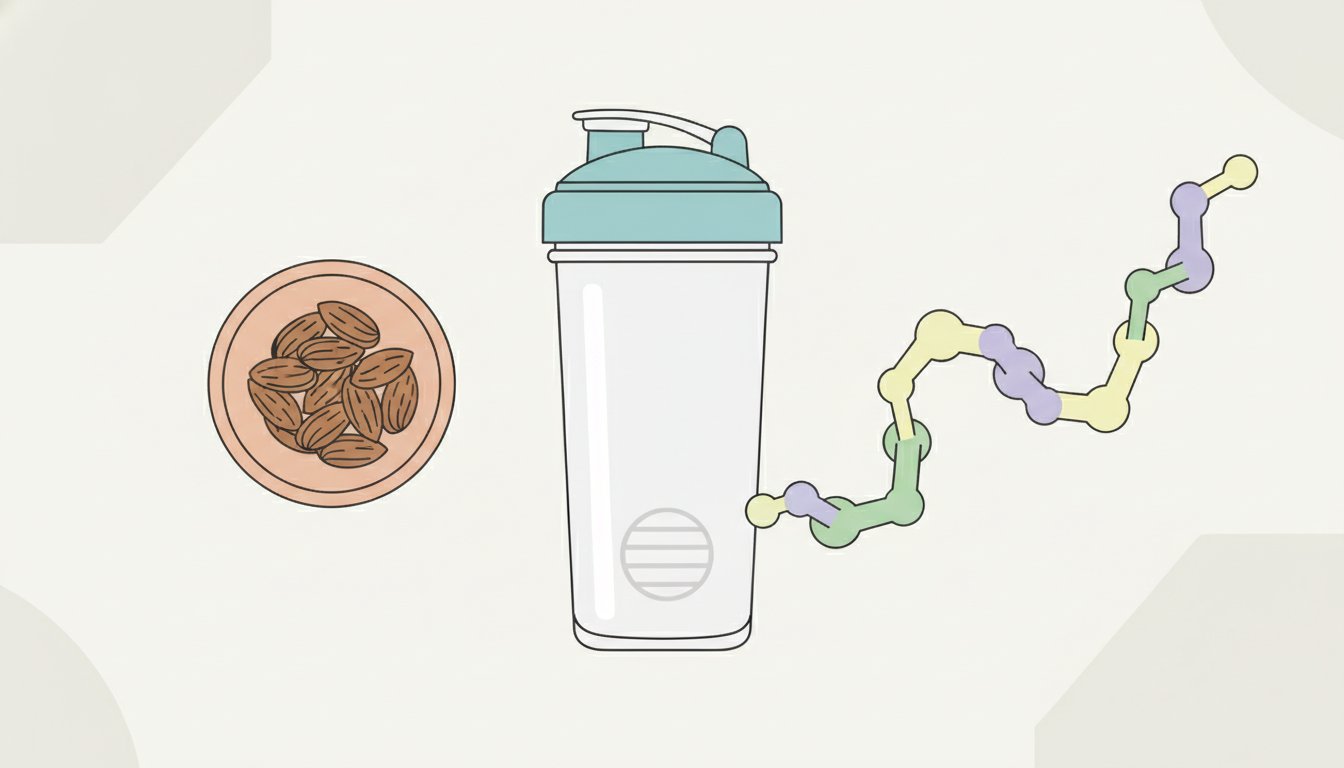
Protein is the absolute foundation of muscle repair. Fortunately, protein has a minimal impact on blood sugar and can actually help stabilize your glucose levels by slowing down digestion. Aim to consume 1.2 to 2.0 grams of protein per kilogram of body weight daily, distributed evenly across your meals. Excellent sources include lean chicken, turkey, wild-caught fish, tofu, eggs, and high-quality unsweetened protein powders.
Carbohydrates are your body’s preferred fuel source for high-intensity exercise, but they require careful management. Instead of cutting carbs entirely, focus on timing and quality. Consume complex, fiber-rich carbohydrates—such as quinoa, sweet potatoes, oats, and legumes—two to three hours before your workout. This provides a slow, steady release of energy.
If you need a quick energy boost closer to your workout, pair a small portion of fruit with a handful of almonds or a spoonful of peanut butter. The healthy fats and fiber will help prevent a sharp pre-workout glucose spike.
Monitoring Your Progress: The Power of Personal Data
Every individual's metabolic response to exercise and nutrition is completely unique. A meal that causes your training partner's blood sugar to remain perfectly flat might cause yours to spike, and vice versa. This is where personal data becomes your greatest ally.
Using a continuous glucose monitor (CGM) or tracking your glucose levels before, during, and after exercise allows you to see exactly how your body responds to different types of training and meals. You can begin to identify patterns, such as which pre-workout snacks give you sustained energy without spikes, or how different lifting intensities affect your next-day fasting glucose.
Using advanced glucose tracking apps can help you make sense of these complex data patterns. By logging your meals, workouts, and daily glucose levels in one place, you can easily identify what works best for your unique physiology. Over time, this takes the guesswork out of your fitness routine, allowing you to build strength with confidence.
Your Daily Muscle-Building Action Plan
Transitioning to a muscle-building routine while managing blood sugar does not have to be overwhelming. You can start making progress today by following these three simple steps:
- Prioritize protein first: At every meal, place a portion of high-quality protein on your plate before adding other components. This simple habit supports muscle repair and automatically improves your glycemic response.
- Schedule your strength sessions: Commit to at least three 30-minute resistance training sessions each week. Focus on compound movements like squats, chest presses, and rows, which recruit large muscle groups and maximize glucose uptake.
- Walk after your workouts: Make a habit of taking a 10-to-15-minute light walk immediately after lifting weights. This simple practice helps smooth out any temporary glucose spikes caused by your workout.
Please note: Always consult your doctor or a certified healthcare provider before starting a new intense exercise regimen or making major dietary changes, especially if you take insulin or other blood sugar-lowering medications.
Summary
Building and preserving muscle mass is one of the most effective, life-changing strategies you can adopt to manage your blood sugar and improve your metabolic health. By expanding your body's natural "glucose sink" through resistance training, you naturally enhance your insulin sensitivity and create a highly resilient metabolism.
Remember to focus on consistent resistance training, prioritize protein intake, and time your carbohydrates mindfully around your workouts. Most importantly, use tools like GlucoAI to track your unique glucose responses. By monitoring your data and adjusting your habits, you can confidently build a stronger, healthier body while keeping your blood sugar beautifully balanced.
GlucoAI — Smart Blood Sugar Monitor
Track, analyze, and optimize your glucose levels with AI-powered insights.