
- Published on
How Blood Donation Artificially Lowers Your A1C
Imagine walking into your doctor's office, getting your latest blood test results, and seeing a beautifully low A1C number. You might immediately want to celebrate, thinking your recent dietary changes and exercise routines are paying off perfectly. But what if that sparkling new number is actually a mirage? If you have recently given blood, your blood donation A1C results might not be telling the whole truth.
Donating blood is a heroic, life-saving act that helps millions of people every year. However, it has a little-known side effect on one of the most critical metrics in diabetes management: your A1C (average blood sugar level over 3 months). Understanding how blood donation artificially lowers your A1C is crucial for anyone tracking their metabolic health, especially if you are managing prediabetes or diabetes. Let's dive into the science behind this phenomenon and explore how you can keep your health tracking on the right path.
What Is A1C and How Is It Measured?
To understand why blood donation alters your test results, we first need to look at what the A1C test actually measures. Also known as the HbA1c test, this lab work measures glycated hemoglobin. Hemoglobin is the protein inside your red blood cells that carries oxygen from your lungs to the rest of your body.
When glucose enters your bloodstream, it naturally sticks to this hemoglobin in a process called glycation. Once glucose binds to a red blood cell, it stays there for the entire lifespan of that cell. Because red blood cells typically live for about 120 days (around four months), an A1C test can measure the percentage of your hemoglobin that has glucose attached to it, giving a reliable estimate of your average blood sugar levels over the past two to three months.
If your blood sugar levels have been consistently high, more glucose will be stuck to your red blood cells, resulting in a higher A1C percentage. Conversely, if your blood sugar has been stable and within a healthy range, your A1C percentage will be lower.
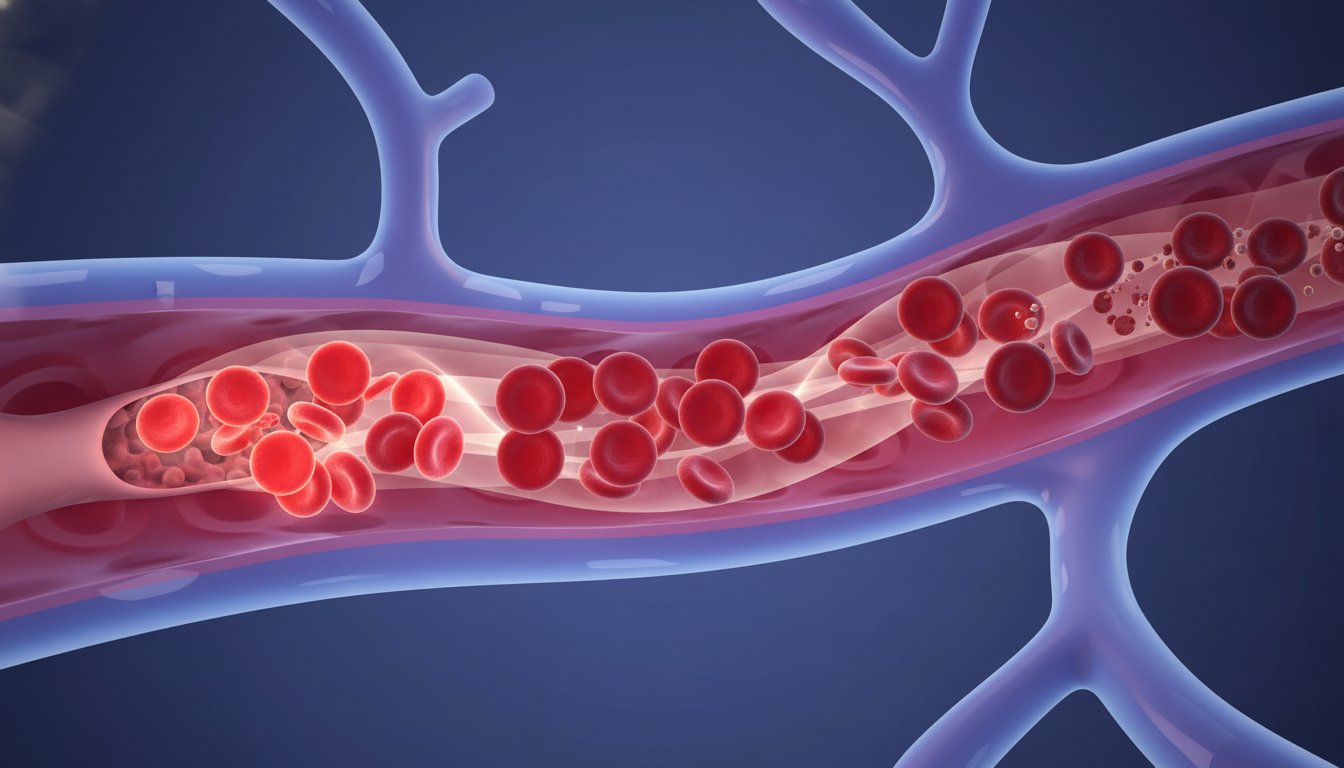
The Biology: How Blood Donation Artificially Lowers Your A1C
When you donate blood, you typically give about one pint of whole blood. This process removes a significant volume of your existing, older red blood cells—the very same cells that have been circulating in your body and gathering glucose for weeks.
To compensate for this sudden loss, your body immediately goes into recovery mode. Your kidneys release a hormone called erythropoietin, which signals your bone marrow to ramp up red blood cell production. Within a few days, your body floods your bloodstream with brand-new, fresh red blood cells.
Here is where the artificial lowering occurs:
- Younger cell population: These newly created red blood cells are young and fresh. Because they have only just entered your bloodstream, they have had very little exposure to the glucose circulating in your blood.
- Diluted sample: When you go to get an A1C test after donating, the lab analyzer looks at the ratio of glycated hemoglobin to total hemoglobin. Because your blood is now packed with these young, unglycated cells, the overall percentage of glycated hemoglobin drops.
- The illusion: Your test results will show a lower A1C value, even though your actual daily blood sugar levels have not changed at all. Your metabolism is functioning exactly the same as before, but the average age of your red blood cells has shifted.
Clinical studies have shown that blood donation can artificially lower A1C levels by 0.5% to 1.0% or even more. In the world of diabetes management, a drop of 1.0% is massive—potentially shifting someone from a diabetic range back into a prediabetic or normal range on paper, without any real physiological improvement.
How Long Does the A1C Suppression Last?
If you have recently donated blood, you might wonder how long you need to wait before you can trust your A1C test results again.
While your body replenishes the physical volume of lost fluid within 24 to 48 hours, replacing the actual red blood cells takes much longer. It generally takes about four to eight weeks for your red blood cell count to return to its baseline. However, because those new cells must mature and live out their natural cycle, the average age of your red blood cell population remains younger than normal for quite some time.
For most people, the artificial lowering effect on A1C is most pronounced in the first four weeks post-donation. However, research suggests that the A1C reading can remain falsely suppressed for up to 12 weeks (three full months) after a single blood donation. Therefore, getting an A1C test within 90 days of donating blood is highly likely to yield inaccurate data.

The Risks of a False-Low A1C Reading
While a lower A1C number might feel like good news, a false-low reading can actually pose serious risks to your diabetes management and overall health.
1. A False Sense of Security
If you are working hard to manage prediabetes or type 2 diabetes through lifestyle modifications, a falsely low A1C might lead you to believe you have mastered your blood sugar control. This can lead to relaxing your dietary habits or skipping exercise, allowing your actual, unmeasured blood sugar levels to creep back upward.
2. Inappropriate Medication Adjustments
Doctors rely heavily on A1C results to prescribe and adjust medications. If your physician sees a dramatic drop in your A1C, they might mistakenly believe your current treatment plan is working exceptionally well. In some cases, they might even reduce your dosage of insulin or other glucose-lowering medications. If your true blood sugar levels are actually higher than the test indicates, reducing your medication could lead to dangerous hyperglycemia.
3. Missed or Delayed Diagnoses
For those undergoing screening for prediabetes or diabetes, a recent blood donation can mask the condition entirely. A patient with an actual average blood sugar corresponding to an A1C of 6.5% (the threshold for diabetes) might register a false-low reading of 5.9%, leaving them undiagnosed and untreated.
Please consult your doctor before making any changes to your medication or treatment plan, and always inform your healthcare provider if you have donated blood within the past three months.
Alternative Ways to Track Your Blood Sugar
If you are a regular blood donor—which is a wonderful and highly encouraged contribution to society—you do not have to give up tracking your metabolic health. You simply need to rely on alternative tools that do not depend on the lifespan of your red blood cells.
Use a Continuous Glucose Monitor (CGM)
Unlike an A1C test, which looks backward over several months using red blood cells, a CGM measures your glucose levels in real time through your interstitial fluid. Because CGM data is direct and immediate, it is completely unaffected by blood donation.
Focus on Time in Range (TIR)
Instead of waiting for a quarterly A1C test, you can look at your Time in Range (the percentage of time your blood sugar stays between 70 and 180 mg/dL). TIR is rapidly becoming the gold standard for metabolic health tracking because it shows the daily nuances, spikes, and valleys of your glucose levels.
Check Your Glucose Management Indicator (GMI)
If you use a CGM, your tracking software can calculate your Glucose Management Indicator (GMI). GMI uses your average CGM glucose readings over a period of 12 to 14 days to estimate what your A1C would be. Because this calculation is based entirely on sensor readings and not on hemoglobin, it remains highly accurate even after a blood donation.
Keep a Digital Health Log
Using glucose tracking apps to log your meals, physical activity, and daily glucose trends can help you see the big picture. When you log a "Blood Donation" event in your health records, you create a helpful context marker. If you do end up taking an A1C test, you and your doctor can look back at your digital logs, see the donation event, and immediately understand why the laboratory results might be skewed.
Summary: Key Takeaways
- The Connection: Blood donation removes older red blood cells, prompting your body to produce young, fresh cells that have not yet accumulated much glucose.
- The Result: This shift in the age of your red blood cells artificially lowers your A1C reading by 0.5% to 1.0% or more.
- The Timeline: The suppressing effect on your A1C test can last for up to 12 weeks after your donation.
- The Action Plan: Always inform your doctor about recent blood donations before reviewing lab results, and rely on real-time data like CGMs and daily tracking to monitor your true metabolic health.
Take Control of Your Health Journey
Donating blood is a noble act of kindness, and you shouldn't have to choose between saving lives and managing your own health. By understanding how your body recovers from a donation, you can interpret your clinical data with confidence and clarity.
To bridge the gap when laboratory tests like the A1C are temporarily unreliable, tracking your daily habits and glucose trends is key. With GlucoAI, you can easily log your daily meals, monitor your glucose patterns, and gain personalized insights that help you stay on top of your metabolic wellness—no matter when you last donated blood. Download GlucoAI today to keep your health journey on a clear, accurate, and empowering path.
GlucoAI — Smart Blood Sugar Monitor
Track, analyze, and optimize your glucose levels with AI-powered insights.