
- Published on
Understanding LADA: A Guide to Type 1.5 Diabetes
Have you ever felt like your diabetes diagnosis doesn't quite fit the mold? Perhaps you were diagnosed with Type 2 diabetes as an adult, but despite eating balanced meals, exercising regularly, and taking your prescribed medications, your blood sugar levels remain stubbornly high. If this sounds familiar, you are not alone, and there may be a specific reason for this struggle.
Many adults are currently misdiagnosed with Type 2 diabetes when they actually have Latent Autoimmune Diabetes in Adults, commonly known as LADA or Type 1.5 diabetes. Understanding this unique condition is the first step toward getting the right treatment, reclaiming your energy, and managing your metabolic health with confidence. Let's explore what LADA is, why it is so frequently misunderstood, and how you can take proactive control of your health journey.
What Is LADA (Type 1.5 Diabetes)?
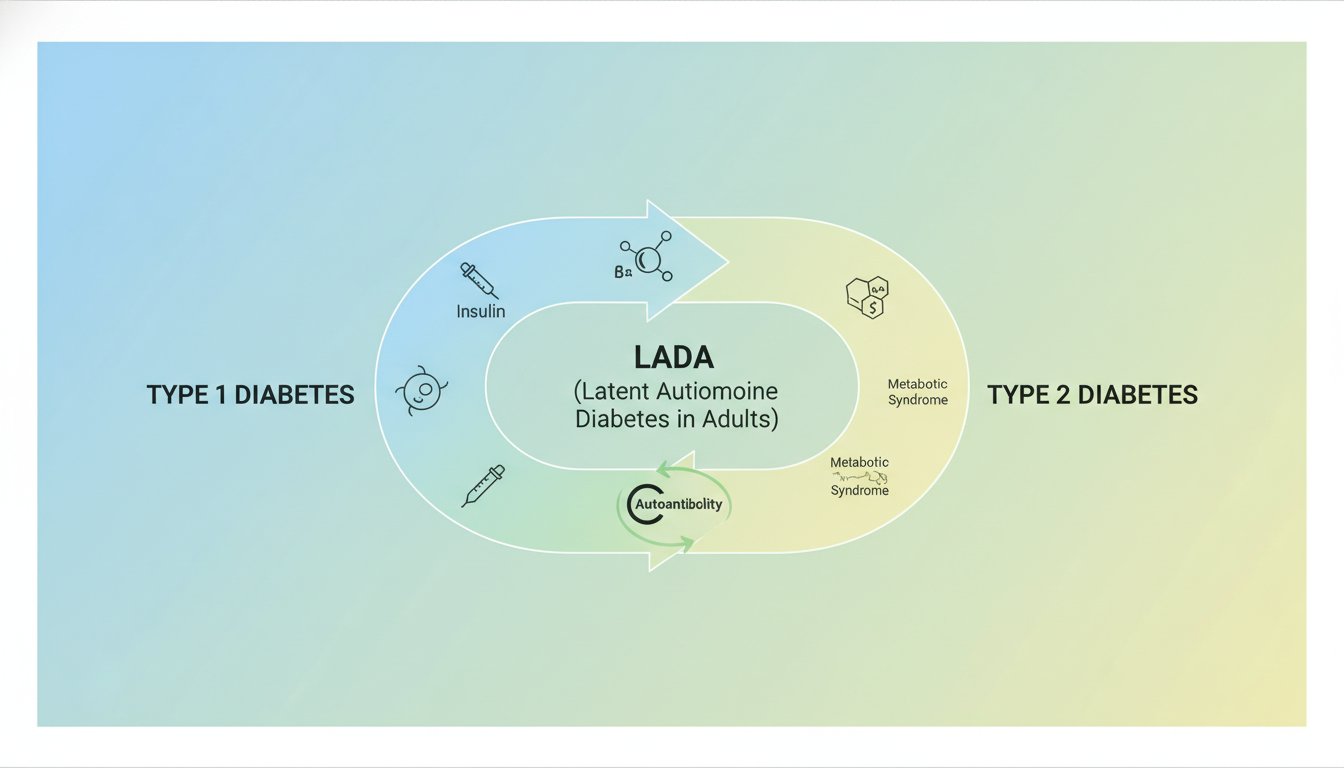
Latent Autoimmune Diabetes in Adults, or LADA, is often referred to as Type 1.5 diabetes because it shares characteristics of both Type 1 and Type 2 diabetes. Like Type 1 diabetes, LADA is an autoimmune condition. Your immune system mistakenly attacks and destroys the insulin-producing beta cells in your pancreas. However, unlike classic Type 1 diabetes, which typically develops rapidly in childhood or young adulthood, LADA develops slowly over several months or even years in adults.
Because LADA emerges in adulthood—typically in people over 30 years old—and begins gradually, doctors frequently mistake it for Type 2 diabetes. In the early stages of LADA, your pancreas still produces enough insulin to keep you out of immediate danger, which mimics the insulin resistance patterns seen in Type 2 diabetes. Over time, however, insulin production steadily declines, and lifestyle modifications or standard oral Type 2 medications stop working.
Why LADA Matters: The Danger of Misdiagnosis
Getting an accurate diagnosis is critical for your long-term health. When LADA is misdiagnosed as Type 2 diabetes, individuals are often prescribed oral medications that stimulate the pancreas to produce more insulin. While this might lower blood sugar temporarily, it can place extra stress on your struggling pancreatic beta cells, accelerating their decline.
Furthermore, ignoring the autoimmune nature of LADA can lead to unexpected, dangerous spikes in blood sugar. If your body stops producing insulin and you are not receiving insulin therapy, you run the risk of developing diabetic ketoacidosis (DKA), a serious medical emergency. Knowing whether you have Type 2 or LADA allows you and your healthcare team to build a proactive treatment plan that preserves your remaining insulin-producing cells for as long as possible. Please consult your doctor or an endocrinologist if you suspect your current diagnosis might not be accurate.
How LADA Works: The Slow-Onset Autoimmune Process
To understand LADA, it helps to look at how it progresses compared to other forms of diabetes. In a healthy body, the pancreas releases insulin to help glucose enter your cells for energy.
- Type 1 Diabetes: The immune system launches a rapid, aggressive attack on pancreatic beta cells. Insulin production drops to near zero quickly, requiring immediate, lifelong insulin therapy.
- Type 2 Diabetes: The pancreas produces insulin, but the body's cells become resistant to it. This is primarily a metabolic condition heavily influenced by genetics and lifestyle.
- LADA (Type 1.5): The immune system launches a slow, low-grade attack on beta cells. You might experience mild insulin resistance initially, but the primary issue is the gradual, irreversible loss of insulin production.
During the first few months or years of LADA, you might manage your blood sugar successfully with diet, exercise, and oral medications. This is often referred to as the "personal honeymoon phase." However, because the autoimmune attack is continuous, the pancreas eventually loses its ability to produce insulin entirely, making external insulin therapy necessary.
Key Symptoms of LADA to Watch For
Because LADA progresses slowly, the symptoms can sneak up on you. You might experience classic signs of elevated blood sugar, but at a much slower pace than someone with classic Type 1 diabetes. Key symptoms include:
- Unexplained weight loss despite eating normally or having an increased appetite
- Frequent urination and persistent, unquenchable thirst
- Constant fatigue and low energy levels, even after a full night of sleep
- Blurry vision or frequent infections that heal slowly
- Blood sugar levels that continue to rise despite strict dietary changes and regular exercise
If you have been treating your condition as Type 2 diabetes but find your blood sugar of 180 mg/dL or higher is not responding to standard oral therapies, it is time to ask your doctor for specific diagnostic tests.
Diagnosing LADA: Key Medical Tests
To distinguish LADA from Type 2 diabetes, your physician will need to look beyond standard fasting blood glucose or an A1C (average blood sugar level over 3 months) test. Two specific laboratory tests can help confirm a LADA diagnosis:
- GAD Antibody Test: Glutamic acid decarboxylase (GAD) antibodies are proteins that indicate your immune system is actively attacking your pancreatic cells. A positive GAD antibody test is a strong indicator of LADA or Type 1 diabetes, as these antibodies are not present in Type 2 diabetes.
- C-Peptide Test: C-peptide is a byproduct created when your pancreas produces insulin. Measuring your C-peptide levels tells your doctor exactly how much insulin your body is still producing. In LADA, C-peptide levels are typically low or normal but decline steadily over time, whereas in early Type 2 diabetes, they are often high due to insulin resistance.
How to Manage LADA: A Step-by-Step Approach
Managing LADA successfully requires a shift in mindset. Instead of focusing solely on reversing insulin resistance, your goal is to protect your remaining beta cells and transition smoothly to insulin therapy when your body needs it.
Step 1: Partner with an Endocrinologist
If you receive a LADA diagnosis, working with an endocrinologist is essential. These specialists can help monitor your pancreatic function, interpret antibody trends, and determine the exact moment you need to initiate insulin therapy.
Step 2: Monitor Your Glucose Trends Closely
Because LADA involves a gradual decline in insulin production, your glucose levels can become highly volatile. Using a continuous glucose monitor (CGM) is incredibly helpful for tracking how your blood sugar behaves throughout the day. To make sense of this data, you can use glucose tracking apps like GlucoAI to log meals, note symptoms, and visualize trends. This makes it easier to share clear, actionable insights with your healthcare team during visits.
Step 3: Adopt a Beta-Cell Protective Diet
Focus on eating habits that do not overwork your pancreas. Emphasize non-starchy vegetables, lean proteins, healthy fats, and high-fiber carbohydrates. This dietary pattern prevents sharp glucose spikes, reducing the workload on your remaining insulin-producing cells.
Step 4: Plan for Timely Insulin Therapy
Do not view starting insulin as a personal failure. In LADA, insulin therapy is a supportive, protective treatment. Initiating low doses of long-acting insulin early in your diagnosis can give your pancreas a much-needed rest, preserving your remaining beta cells and helping you maintain stable, healthy blood sugar levels for a longer period.
FAQ - Frequently Asked Questions
Is LADA reversible?
No, LADA is an autoimmune condition, and there is currently no cure for the autoimmune response that targets pancreatic beta cells. However, it is highly manageable. With early detection, the right medical care, and supportive lifestyle habits, you can live a vibrant, healthy life.
How fast does LADA progress to insulin dependence?
The progression rate varies widely from person to person. Some individuals may require insulin within three to six months of diagnosis, while others can manage without insulin for several years. Regular C-peptide testing helps track this timeline.
Can lifestyle changes help with LADA?
Yes. While diet and exercise cannot stop the autoimmune attack, they are vital for maintaining overall cardiovascular health, managing mild insulin resistance, and keeping your daily blood sugar levels stable and predictable.
Summary & Key Takeaways
Living with LADA can feel overwhelming, but obtaining the correct diagnosis is half the battle. By understanding how Type 1.5 diabetes behaves, you can work alongside your healthcare team to protect your body and thrive.
- LADA is autoimmune: It is a slow-progressing form of Type 1 diabetes that occurs in adults and is often misdiagnosed as Type 2.
- Accurate testing is key: Request GAD antibody and C-peptide tests if your Type 2 diabetes therapies are no longer working.
- Protect your pancreas: Early, low-dose insulin therapy and a supportive diet can help preserve your remaining insulin-producing cells.
- Track your progress: Monitoring your daily glucose trends helps you stay ahead of changing insulin needs.
If you suspect your current diabetes treatment plan is not quite right, do not hesitate to speak up. Take a proactive step today by scheduling a conversation with your doctor and using a dedicated glucose tracking app like GlucoAI to record your daily patterns. Having clear, real-world data at your fingertips will empower you to collaborate effectively with your medical team and take control of your metabolic health.
GlucoAI — Smart Blood Sugar Monitor
Track, analyze, and optimize your glucose levels with AI-powered insights.