
- Published on
Social Jetlag and Glucose: Resetting Your Metabolic Clock
Social Jetlag and Glucose: Resetting Your Metabolic Clock
Have you ever spent your entire work week waking up at 6:00 AM, only to stay up until 2:00 AM on Friday and Saturday, waking up late on Sunday morning? If so, you have experienced "social jetlag." This phenomenon refers to the misalignment between your internal biological clock—your circadian rhythm—and your social obligations, like work or school schedules. While it might feel like you are "catching up" on sleep, this inconsistency can wreak havoc on your metabolic health, specifically your blood glucose levels.
Understanding the connection between your sleep schedule and your metabolic stability is crucial for anyone managing diabetes or looking to optimize their glucose levels. When your internal clock is constantly being reset, your body struggles to regulate blood sugar efficiently, often leading to unpredictable spikes or higher baseline levels.
What Is Social Jetlag and Why Does It Affect Glucose?
Your body operates on a 24-hour cycle known as the circadian rhythm. This internal clock regulates everything from hormone release and body temperature to how your cells process insulin. When you shift your sleep-wake times significantly between weekdays and weekends, you create a state of physiological conflict.
The Hormone Connection
When you experience social jetlag, your body’s secretion of hormones like cortisol and melatonin becomes disrupted. Cortisol, often called the "stress hormone," is naturally higher in the morning to help you wake up. However, erratic sleep patterns can cause cortisol levels to remain elevated or peak at the wrong times. Since cortisol is a counter-regulatory hormone—meaning it tells your liver to release glucose into the bloodstream—an irregular sleep schedule can lead to elevated fasting glucose levels.
Insulin Sensitivity and Glucose Tolerance
Research suggests that even a minor shift in your sleep-wake cycle can impair insulin sensitivity. When your body is "confused" about what time it is, it becomes less efficient at moving glucose from your bloodstream into your cells. This means that for the same meal you eat on a Tuesday, your glucose response might be significantly higher on a Monday morning after a weekend of erratic sleeping.
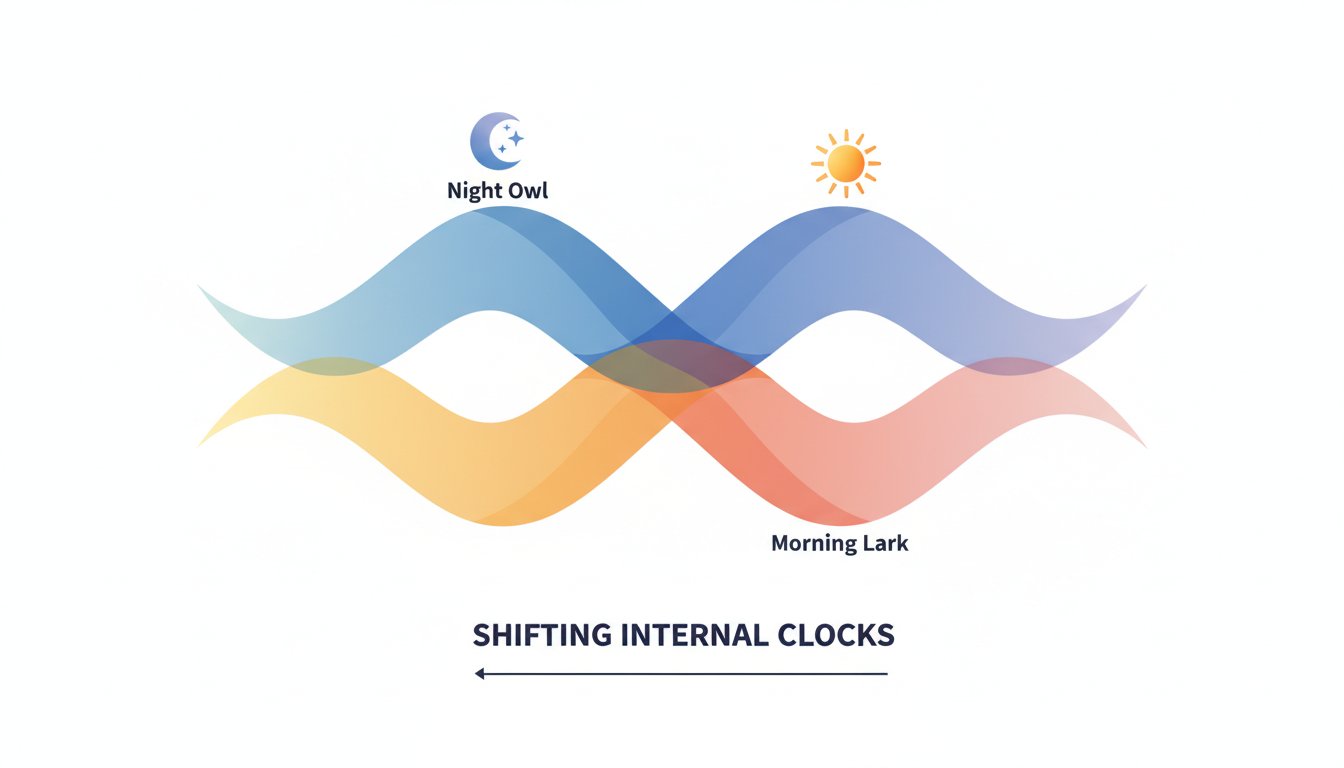
The Impact of a Mismatched Biological Clock
The consequences of social jetlag go far beyond feeling groggy on a Monday morning. For those monitoring their blood sugar, the data often reveals a clear pattern of instability following the weekend transition.
Increased Glucose Variability
Glucose variability refers to the ups and downs in your blood sugar levels throughout the day. When your sleep schedule is inconsistent, you are more likely to see wider swings in your glucose readings. This is often because the body’s ability to "predict" when food is coming—and prepare its metabolic machinery accordingly—is compromised.
The "Hunger" Effect
Sleep deprivation and circadian misalignment are closely linked to increased ghrelin (the hunger hormone) and decreased leptin (the fullness hormone). When you are tired from social jetlag, you are far more likely to crave high-carbohydrate, high-sugar comfort foods. These foods often cause sharper glucose spikes, further taxing your system.
Strategies to Reset Your Metabolic Clock
The good news is that your body is incredibly resilient. By implementing a few consistent habits, you can align your social life with your biological needs and stabilize your glucose levels.
1. The 60-Minute Rule
Try to keep your sleep and wake times within a 60-minute window, even on the weekends. If you normally wake up at 7:00 AM for work, try not to sleep past 8:00 AM on Saturday or Sunday. This small shift prevents the "jetlag" effect and keeps your metabolic processes running smoothly.
2. Prioritize Morning Light
Light is the most powerful signal for your internal clock. As soon as you wake up, expose yourself to natural sunlight. This triggers a cascade of hormonal signals that tell your body it is time to be alert, helping to anchor your circadian rhythm and promote better sleep later that night.
3. Use Technology to Your Advantage
Consistency is much easier to achieve when you have a clear picture of how your habits affect your body. Using a continuous glucose monitor (CGM) is an excellent way to see, in real-time, how a poor night of sleep influences your morning blood sugar. By logging your sleep patterns alongside your glucose data in an app like GlucoAI, you can start to identify the specific "sleep debt" thresholds that lead to higher readings for you personally.

Troubleshooting Your Sleep-Metabolic Connection
Even with the best intentions, life happens. If you find yourself struggling to maintain a consistent schedule, consider these actionable adjustments:
Difficulty Falling Asleep on Sunday Nights
Solution: If your weekend schedule has shifted, try to "drift back" toward your weekday routine on Sunday. Avoid bright screens (blue light) at least an hour before bed and keep your bedroom cool. If you are struggling with high nighttime glucose, speak with your doctor about potential adjustments to your medication or insulin timing to account for these shifts.
The "Monday Morning Spike"
Solution: If you notice your fasting glucose is consistently higher on Mondays, look at your Sunday night dinner. Late-night snacking, combined with an irregular sleep schedule, can exacerbate the dawn phenomenon (a natural rise in blood sugar as the body prepares to wake). Aim for your last meal to be at least 3 hours before sleep.
Results You Can Expect
By stabilizing your sleep schedule, you aren't just improving your energy levels; you are directly supporting your metabolic health. Many users of glucose tracking tools find that within 2 to 3 weeks of consistent sleep-wake times, their "Time in Range" (the percentage of time your glucose stays within your target range) improves significantly. You may also notice fewer cravings, more consistent energy throughout the day, and a reduction in those frustrating, unexplained glucose spikes.
Summary and Next Steps
Social jetlag is a silent contributor to metabolic instability, but it is one that you have the power to change. By recognizing how your sleep patterns influence your hormones and insulin sensitivity, you can take control of your metabolic clock.
Key Takeaways:
- Consistency is Key: Keeping your wake-up time consistent on weekends can prevent the metabolic "jetlag" that causes glucose spikes.
- Light Matters: Morning sunlight is your best tool for anchoring your circadian rhythm.
- Data-Driven Habits: Use tools like GlucoAI to correlate your sleep patterns with your glucose trends. Seeing the connection makes it much easier to stay motivated.
If you are feeling the effects of an erratic schedule, start today by setting a consistent wake-up time for the upcoming weekend. For deeper insights into how your lifestyle choices are affecting your metabolic health, we encourage you to track your meals, sleep, and glucose readings. Understanding your unique data is the first step toward achieving the stability you deserve. Please consult your doctor before making significant changes to your sleep routine or diabetes management plan.
Ready to see how your sleep patterns impact your glucose? Start tracking your daily habits with GlucoAI today and take the guesswork out of your metabolic health.
GlucoAI — Smart Blood Sugar Monitor
Track, analyze, and optimize your glucose levels with AI-powered insights.