
- Published on
Resistance Training for Enhanced Insulin Sensitivity
Resistance Training for Enhanced Insulin Sensitivity
When you think about managing your blood sugar, your mind might immediately jump to cardio—jogging, cycling, or brisk walking. While cardiovascular exercise is excellent for heart health, there is a powerful, often overlooked tool in your metabolic toolkit: resistance training. Building muscle through strength exercises does more than just improve your physical appearance; it fundamentally changes how your body processes glucose.
Insulin sensitivity refers to how effectively your cells respond to insulin, the hormone responsible for shuttling glucose out of your bloodstream and into your muscles and organs for energy. When you are insulin resistant, your cells don't "hear" the signal from insulin clearly, leading to higher blood sugar levels. By incorporating regular resistance training, you can literally turn your muscles into a massive, glucose-hungry sponge, helping to stabilize your readings throughout the day.
How Resistance Training Impacts Insulin Sensitivity
To understand why lifting weights is so effective, we have to look at what muscles actually do. Skeletal muscle is the primary site for glucose disposal in the body. When you perform resistance training, you create microscopic tears in your muscle fibers. As these fibers repair themselves, they become stronger and more efficient.
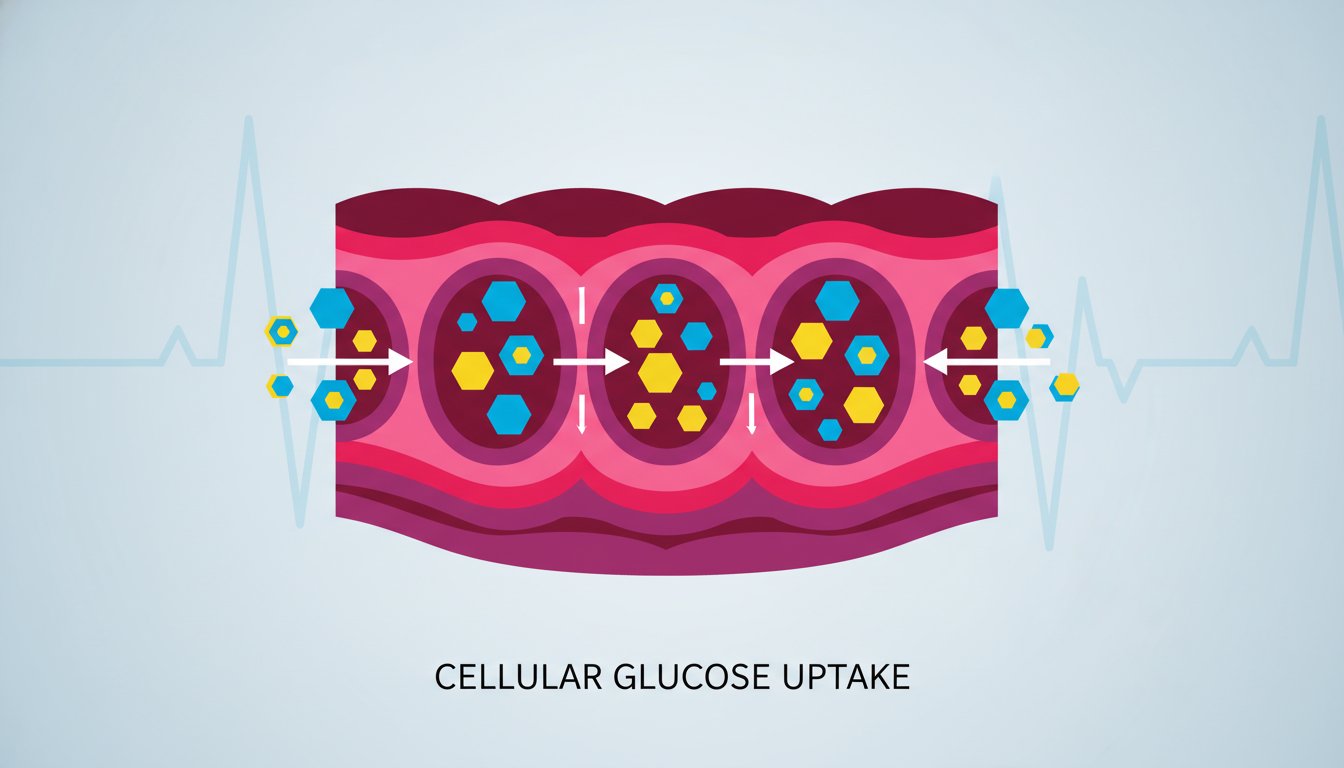
More importantly, the act of contracting muscles against resistance triggers a process called GLUT4 translocation. GLUT4 is a protein that acts as a transport vehicle for glucose. During and after exercise, these transporters move to the surface of your muscle cells, allowing glucose to enter the cells even when insulin levels are low. This mechanism functions independently of the insulin-signaling pathway that often becomes sluggish in individuals with type 2 diabetes or prediabetes.
The Long-Term Metabolic Advantage
The benefits of resistance training extend far beyond the immediate post-workout window. Unlike some forms of exercise that provide a temporary "blip" in insulin sensitivity, building lean muscle mass provides a sustained metabolic boost.
Muscle is metabolically expensive tissue. The more muscle mass you have, the higher your basal metabolic rate (BMR)—the number of calories your body burns at rest. Because muscle tissue requires energy to maintain, it acts as a permanent storage reservoir for glucose. By consistently engaging in strength training, you are effectively increasing the "size of the tank" your body has to store carbohydrates, which helps prevent sharp blood sugar spikes after meals.
Designing Your Resistance Training Routine
You don't need to be a bodybuilder or spend hours in the gym to see results. The goal is consistency and progressive overload—the practice of gradually increasing the weight, frequency, or number of repetitions in your routine.
Getting Started Safely
If you are new to lifting, focus on form over weight. Start with bodyweight exercises such as:
- Squats: Excellent for engaging the large muscles in your legs.
- Push-ups: A foundational movement for chest, shoulder, and tricep strength.
- Lunges: Great for stability and lower body endurance.
- Planks: Strengthens your core, which is essential for overall structural health.
Aim for 2 to 3 sessions per week, allowing at least one day of rest between strength workouts. This recovery period is when the actual physiological adaptation occurs.
Monitoring Your Progress with Technology
One of the most rewarding aspects of starting a resistance training program is seeing the objective data. When you use a Continuous Glucose Monitor (CGM) alongside a comprehensive management tool like GlucoAI, you can visualize exactly how your body responds to exercise.
Many users notice that after a focused strength session, their blood glucose levels remain more stable for the next 24 to 48 hours. By logging your workouts alongside your glucose data in GlucoAI, you can identify which exercises have the most significant impact on your "Time in Range"—the percentage of time your glucose stays within your target goal. Seeing these numbers improve provides the positive reinforcement needed to keep your new habit going.
Troubleshooting Common Barriers
"I don't have access to a gym."
You don't need fancy equipment to build muscle. Resistance bands, kettlebells, or even gallon water jugs can provide enough resistance to stimulate muscle growth. Focus on slow, controlled movements to maximize the time your muscles spend under tension.
"I'm worried about blood sugar dips during exercise."
Resistance training generally has a more predictable effect on blood glucose than high-intensity cardio, which can sometimes cause sharp spikes due to adrenaline. However, always check your levels before and after your workout. If you notice your glucose dropping too low, consider having a small, balanced snack containing complex carbohydrates and protein before you begin.
Note: Always consult your doctor before starting a new exercise regimen, especially if you are on insulin or other medications that affect blood sugar.
Summary and Key Takeaways
Resistance training is one of the most effective, evidence-based methods to enhance insulin sensitivity and improve metabolic health. By building muscle, you create a larger, more efficient storage system for glucose, leading to better glycemic control and long-term stability.
Key takeaways for your journey:
- Muscle acts as a glucose sink: Increasing muscle mass helps lower resting blood sugar.
- GLUT4 activation: Strength training helps glucose enter cells independently of the insulin-signaling pathway.
- Consistency is king: Aim for 2–3 sessions per week, focusing on major muscle groups.
- Track your results: Use tools like GlucoAI to correlate your strength training sessions with your glucose readings to see the direct impact on your health.
The best time to start is today. Whether it’s 15 minutes of bodyweight exercises in your living room or a structured session at the gym, your muscles are ready to work for you. Start slowly, track your data to see how your body responds, and enjoy the confidence that comes with taking control of your metabolic health.
If you are looking for a way to better understand how your exercise habits influence your glucose, GlucoAI can help you visualize these trends and make informed decisions about your daily routine. Start tracking your progress today and see the difference that a little strength can make.
GlucoAI — Smart Blood Sugar Monitor
Track, analyze, and optimize your glucose levels with AI-powered insights.