
- Published on
Optimizing Resistance Training Volume for Glucose Control
Optimizing Resistance Training Volume for Glucose Control
If you have ever checked your continuous glucose monitor (CGM) shortly after a heavy lifting session, you might have noticed something surprising: your blood sugar sometimes rises before it falls. It is a common phenomenon that often leaves people wondering if they are doing more harm than good for their metabolic health. The truth is that resistance training is one of the most effective tools for improving insulin sensitivity—the body’s ability to use insulin effectively to lower blood sugar—but the way you structure your volume and intensity plays a major role in your glucose response.
Understanding how to balance the stress of a workout with the metabolic benefits of muscle growth is key to long-term success. Whether you are living with type 1 or type 2 diabetes, or simply looking to stabilize your metabolic health, optimizing your training volume can help you achieve more predictable results.
The Relationship Between Muscle and Glucose Regulation
Your muscles act as the primary "sink" for glucose in your body. When you exercise, your muscle cells become more efficient at pulling glucose from your bloodstream to use as fuel, often without needing as much insulin as they would at rest. This process is known as non-insulin-dependent glucose uptake.
When you engage in resistance training, you are doing more than just building strength; you are increasing your body’s long-term capacity to manage blood sugar. Muscle tissue is metabolically expensive, meaning the more lean mass you have, the more glucose your body burns even while you are sleeping. However, the intensity and volume of your workouts trigger different physiological pathways. High-intensity training can stimulate the release of cortisol and adrenaline, which may cause a temporary spike in blood glucose, while moderate-volume training often provides a more sustained, leveling effect on blood sugar levels.
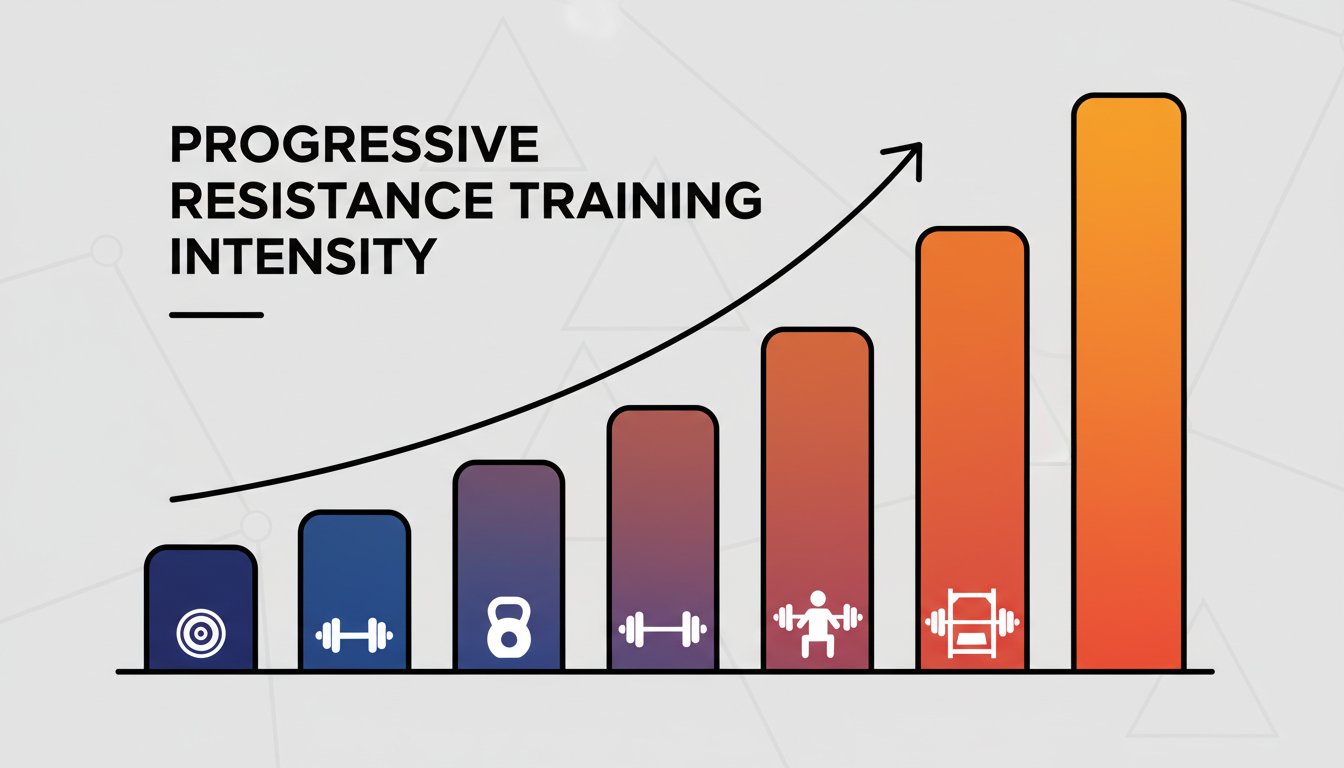
Understanding Volume vs. Intensity in Your Training
To optimize your glucose control, it is helpful to distinguish between training volume and intensity. Volume is generally defined as the total amount of work performed—the number of sets, repetitions, and the weight lifted. Intensity refers to how hard you are working, typically measured as a percentage of your one-rep max or your perceived level of exertion.
Why Volume Matters
Higher volume training—characterized by more sets and repetitions—tends to deplete muscle glycogen (the stored form of glucose in your muscles) more significantly. By systematically emptying these stores, you create a metabolic "demand" that encourages your body to shuttle glucose into the cells post-workout. This is often why a well-structured hypertrophy (muscle-building) program can lead to improved A1C levels over time.
Why Intensity Matters
While high-intensity lifting can lead to that temporary blood sugar rise due to the "fight or flight" stress response, it also triggers significant long-term improvements in insulin sensitivity. The key is to manage the duration of these spikes. If you find your glucose levels remain elevated for too long after high-intensity training, adjusting the volume or the rest periods can help dampen the stress response while still reaping the benefits.
Strategies for Optimizing Your Training Volume
If you want to use resistance training to stabilize your blood sugar, you don't necessarily need to spend hours in the gym. Instead, focus on consistency and strategic volume management.
1. Prioritize Compound Movements
Exercises like squats, deadlifts, and presses recruit large muscle groups. Because these movements require more energy, they trigger a greater glucose uptake. Incorporating these into your routine ensures that you are maximizing the metabolic "bang for your buck" during every session.
2. Monitor Your Glucose Response
Every body is different. What causes a spike for one person might be the perfect level of intensity for another. Using a glucose tracking tool allows you to observe how your body specifically reacts to different volumes. For instance, if you notice a significant spike after 5 sets of a heavy exercise, try reducing it to 3 sets and see if your glucose response becomes more stable.
3. Balance Volume with Recovery
Glucose management is not just about the time spent under the barbell; it is also about what happens afterward. If your training volume is consistently too high without adequate rest, your body may remain in a state of chronic stress, which can lead to higher baseline blood sugar levels. Ensure you are scheduling rest days and monitoring your sleep quality, as your muscles need downtime to repair and become more insulin-sensitive.

Troubleshooting Common Glucose Responses
The Post-Workout Spike
If you see your blood sugar climb immediately after finishing your last set, do not panic. This is often just your liver releasing stored glucose to help you "finish" the workout. If it stays high for more than two hours, consider reducing the intensity of your final sets or ensuring you are staying hydrated. Hydration is critical, as dehydration can artificially inflate blood sugar readings.
The Delayed Drop
Sometimes, the most significant drop in blood sugar occurs several hours after training. This is a positive sign that your muscles are effectively soaking up glucose. If you frequently experience this, be prepared with a small, balanced snack if your levels begin to dip too low, especially if you are using insulin therapy. Always consult your doctor before making significant changes to your exercise or medication routine.
Results You Can Expect
When you find the "sweet spot" for your training volume, you can expect:
- Reduced Glucose Variability: Fewer peaks and valleys throughout the day.
- Improved Insulin Sensitivity: You may find that your body requires less exogenous insulin or medication to maintain the same levels.
- Better Metabolic Flexibility: Your body becomes more efficient at switching between burning fat and glucose.
Consistency is the ultimate driver of these results. By tracking your sessions alongside your glucose data, you can create a personalized roadmap that works with your biology rather than against it.
Summary
Resistance training is a powerful tool for anyone looking to improve their metabolic health. By focusing on moderate-to-high volume compound movements, monitoring your unique physiological response, and prioritizing recovery, you can turn your exercise routine into a consistent method for glucose control.
Remember, you do not have to navigate this journey alone. Using a tool like GlucoAI can help you correlate your training volume with your blood sugar data, providing the insights you need to make evidence-based adjustments to your workouts. Start by tracking your sets and reps alongside your glucose readings this week, and observe the patterns that emerge. Small, consistent changes in how you approach your training will lead to significant improvements in your long-term health.
Disclaimer: This information is for educational purposes and does not constitute medical advice. Please consult your doctor before beginning any new exercise program or making adjustments to your diabetes management plan.
GlucoAI — Smart Blood Sugar Monitor
Track, analyze, and optimize your glucose levels with AI-powered insights.