
- Published on
Dining Out Without Glucose Spikes: A Survival Guide
Dining out is one of life’s great pleasures. Whether you are celebrating a milestone with friends or catching up over a business lunch, food is the centerpiece of our social connections. However, for those of us monitoring our blood glucose levels, the restaurant experience can often feel like walking through a minefield of hidden carbohydrates, oversized portions, and unpredictable ingredients.
The good news is that you don’t have to decline invitations or stick to a bland side salad to keep your metabolic health on track. By mastering a few strategic habits, you can navigate restaurant menus with confidence, enjoy your meal, and keep your blood sugar stable. Let’s explore how to maintain your glucose goals without sacrificing your social life.
The Pre-Dining Strategy: Setting Yourself Up for Success
Managing your glucose levels doesn’t start when the waiter hands you a menu; it starts hours before you arrive. If you walk into a restaurant feeling overly hungry, your willpower is naturally lower, and your body is primed for a more significant glucose spike.
Prioritize Fiber and Protein
Aim for a snack containing protein or healthy fats—like a handful of almonds or a small piece of cheese—about an hour before your meal. This helps buffer the impact of any carbohydrates you might consume later. Additionally, staying well-hydrated throughout the day ensures that your body is better prepared to process the meal. If you have a continuous glucose monitor (CGM), take a quick look at your trends to see where you are starting from. Understanding your baseline helps you make informed choices once you are at the table.
The Power of Movement
If your schedule allows, a 15-minute brisk walk before dinner can significantly improve your insulin sensitivity. Physical activity helps your muscles take up glucose from your bloodstream, effectively "priming the pump" so that when you do eat, your body is more efficient at managing the incoming energy.
Navigating the Menu Like a Pro
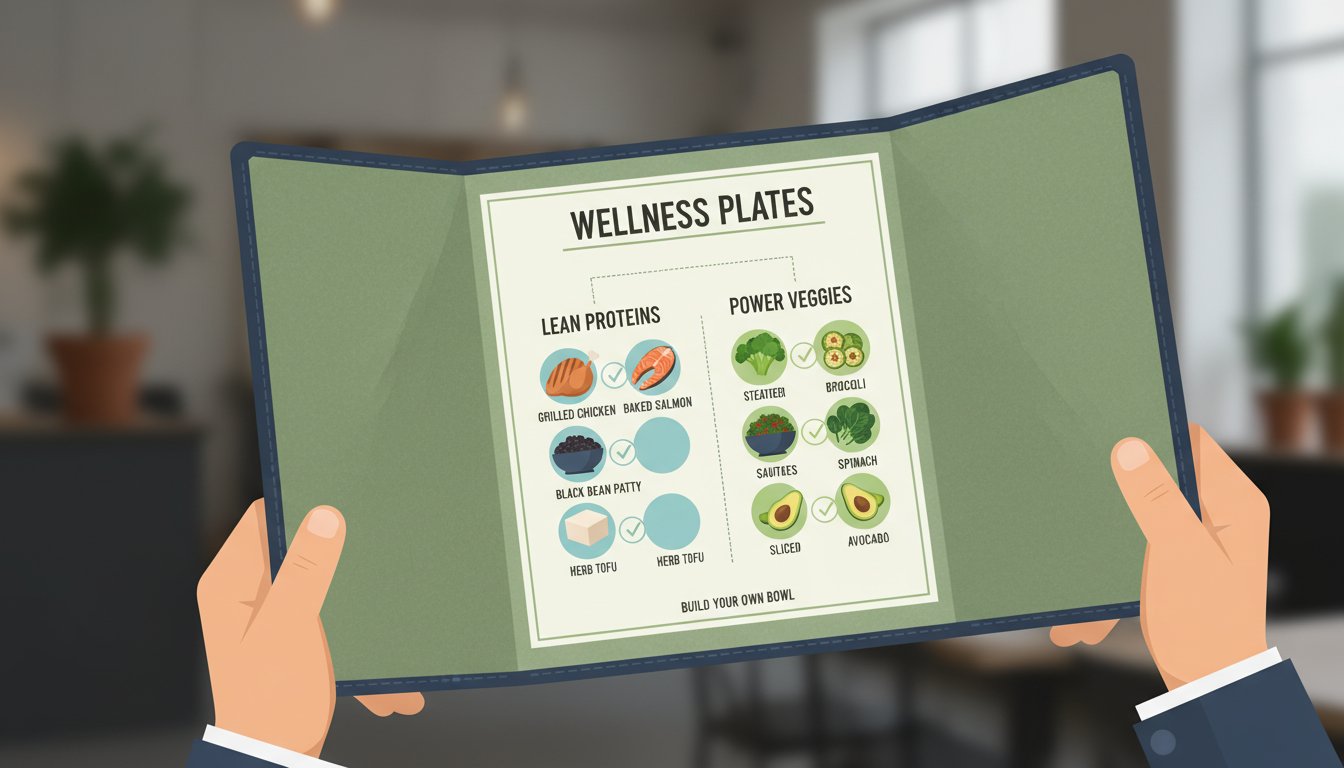
Restaurant menus are designed to entice, but they often hide high-glycemic ingredients in sauces, dressings, and side dishes. Once you are seated, focus on identifying the "anchors" of your meal—the protein and the fiber.
Look for Quality Proteins
Start by selecting a high-quality protein, such as grilled fish, lean steak, chicken, or tofu. These are typically the safest bets because they have a minimal impact on your blood glucose levels. When ordering, don’t hesitate to ask the server how the item is prepared. Phrases like "grilled," "steamed," or "roasted" are usually favorable compared to "battered," "crispy," or "glazed," which often imply hidden starches and sugars.
The "Hidden Sugar" Trap
Sauces and dressings are the most common culprits for unexpected glucose spikes. Barbecue sauce, teriyaki, sweet chili, and even some vinaigrettes are often loaded with added sugars. A simple strategy is to ask for sauces and dressings to be served "on the side." This puts you in control of the portion, allowing you to use just enough for flavor without overdoing it. Similarly, be wary of "hidden" carbs in vegetable sides; vegetables glazed in honey or tossed in sugary syrups can quickly impact your numbers.
The Art of the Swap
Most restaurants are more than happy to accommodate simple modifications. If your entrée comes with a side of fries or mashed potatoes, ask if you can substitute them for steamed broccoli, asparagus, or a side salad. Swapping refined grains for extra fiber-rich greens is an easy win for your glucose stability.
Smart Ordering Habits for Stable Glucose
Even with the best intentions, restaurant portions are notoriously large. A "standard" restaurant meal can often contain two or three times the amount of food you would typically eat at home, which inevitably leads to a higher glucose load.
Practice Portion Awareness
Consider sharing an entrée with a dining partner, or ask for a "to-go" box the moment your food arrives. By boxing up half of your meal before you start eating, you remove the temptation to finish everything on the plate. Eating at a slower pace also allows your body to send satiety signals to your brain, helping you feel satisfied with less food.
The Sequence of Consumption
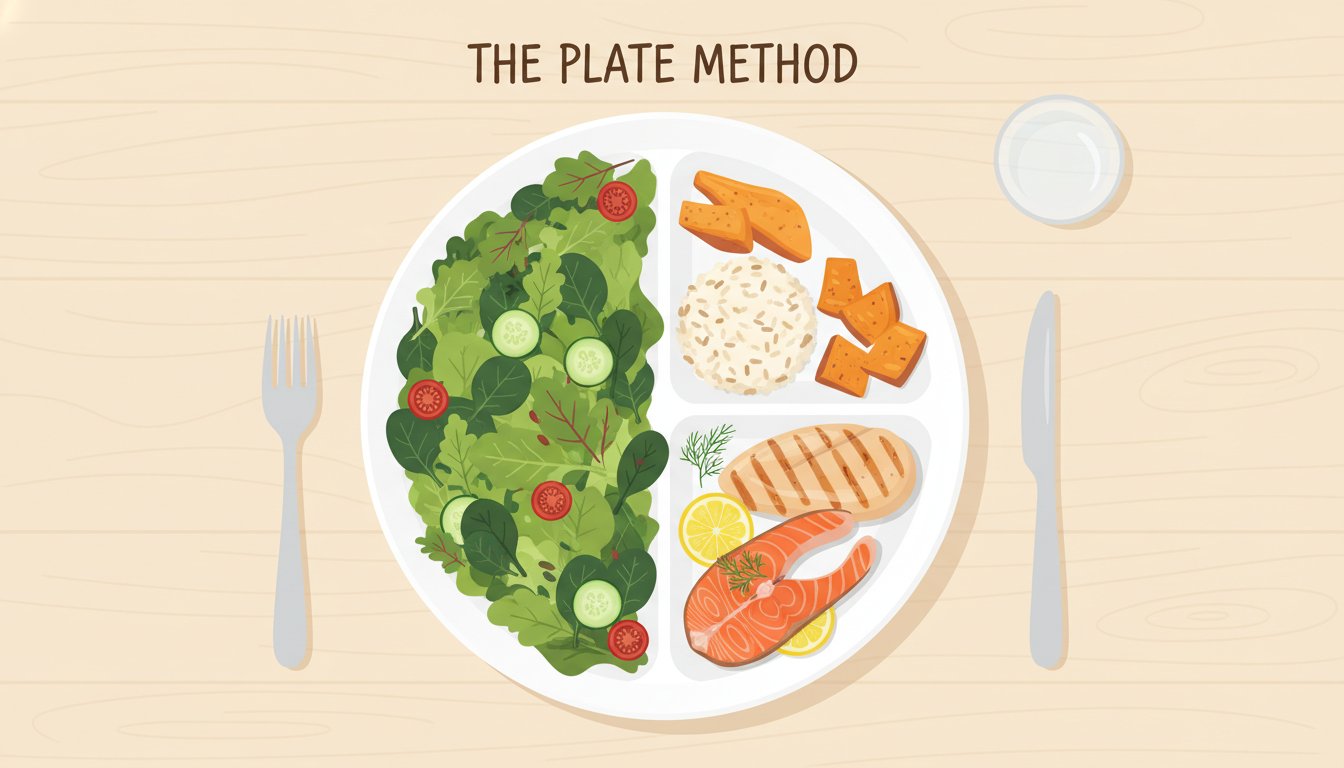
The order in which you eat your food matters. Research suggests that eating your non-starchy vegetables first, followed by your protein and fats, and leaving the carbohydrates for last, can significantly dampen the post-meal glucose spike. By filling up on fiber and protein first, you create a physical barrier that slows down the absorption of any carbohydrates that follow.
Troubleshooting Spikes After the Meal
Even with careful planning, sometimes your glucose will climb higher than expected. When this happens, avoid the temptation to feel frustrated. Instead, view it as data. If you notice a spike, use it as a learning opportunity to see how your body responded to that specific combination of foods.
The Post-Meal Walk
If you find yourself with an elevated reading after a restaurant meal, the most effective tool in your kit is movement. A gentle, 10 to 20-minute walk after dinner is one of the most effective ways to blunt a glucose spike. It encourages your muscles to utilize the glucose currently circulating in your bloodstream, helping your levels return to your target range more quickly.
Use Your Tools
If you are tracking your meals and glucose levels, be sure to log your restaurant experience in your preferred management tool. When you use a platform like GlucoAI, you can start to see patterns over time. You might notice that certain cuisines or specific restaurants consistently result in better outcomes for you. Over time, this transforms your dining out experience from a guessing game into a well-managed part of your lifestyle.
Summary
Dining out is a fundamental part of life, and it shouldn't be a source of stress. By focusing on a few key habits, you can manage your metabolic health while still enjoying your favorite restaurants:
- Prep beforehand: Eat a small protein-rich snack and get moving before your meal to improve insulin sensitivity.
- Customize your order: Prioritize grilled proteins and non-starchy vegetables, and always ask for sauces on the side.
- Mind your sequence: Eat your vegetables and protein first to slow the absorption of carbohydrates.
- Stay active: A short walk after your meal is a powerful way to keep your blood glucose in check.
- Learn from the data: Track your meals and glucose responses to understand what works best for your unique metabolism.
You have the power to stay in control, no matter where you are dining. Start by making one small change—like ordering your dressing on the side or swapping your fries for a side salad—during your next outing. Small, consistent actions are the foundation of long-term success.
If you are looking for a better way to track your progress and understand how different meals impact your body, consider downloading GlucoAI. It makes monitoring your glucose trends simple and actionable, helping you navigate your health journey with confidence. Please remember to consult with your doctor or a registered dietitian to develop a plan that is safe and appropriate for your specific health needs.
GlucoAI — Smart Blood Sugar Monitor
Track, analyze, and optimize your glucose levels with AI-powered insights.