
- Published on
Signs Your Insulin Sensitivity Is Improving
Have you ever felt like you’re doing everything right—choosing the salad over the sandwich, hitting your daily step goal, and prioritizing sleep—yet the number on the bathroom scale refuses to move? It can be incredibly frustrating. However, weight is often a "lagging indicator." It’s one of the last things to change when you’re improving your metabolic health.
The real magic happens deep inside your cells long before the scale reflects your hard work. This process is called improving insulin sensitivity. Think of insulin sensitivity as your body’s efficiency. When you are insulin sensitive, your cells are "listening" to insulin’s signal to let glucose (blood sugar) in for energy. When you are insulin resistant, your cells have become "deaf" to that signal, forcing your pancreas to pump out more and more insulin to get the job done.
Improving this sensitivity is the "holy grail" of metabolic health, whether you are managing Type 2 diabetes, prediabetes, or simply looking to optimize your energy. Since you can’t see your cells working, how do you know if your efforts are paying off?
Here are seven encouraging signs that your insulin sensitivity is improving, even if the scale is staying still.
1. Your Afternoon "Energy Crashes" Are Vanishing
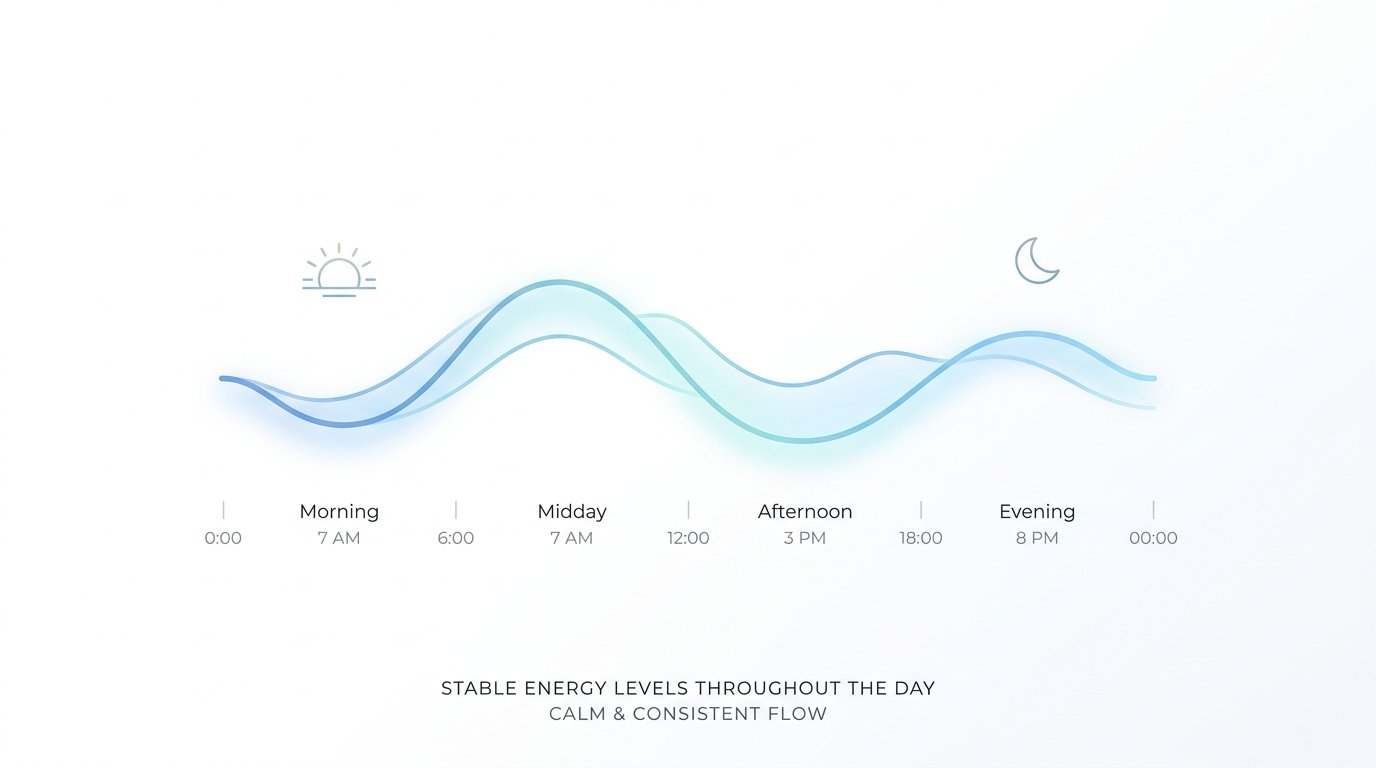
We’ve all been there: it’s 3:00 PM, and suddenly you feel like you need a nap or a third cup of coffee just to keep your eyes open. This is often the result of a "glucose roller coaster." When you have poor insulin sensitivity, your blood sugar may spike high after lunch and then come crashing down as your body overcompensates with too much insulin.
As your insulin sensitivity improves, your body becomes better at maintaining steady glucose levels. Instead of a mountain-peak spike followed by a valley, your glucose curve looks more like a gentle, rolling hill. You’ll notice that your energy remains stable from breakfast through dinner. You no longer feel "hangry" or shaky if a meal is delayed by 30 minutes.
Actionable Tip: Use a glucose tracking app like GlucoAI to log your energy levels alongside your food. If you notice your "energy dips" are becoming less frequent, your cells are likely becoming more efficient at processing fuel.
2. The "Sugar Dragon" Has Been Tamed
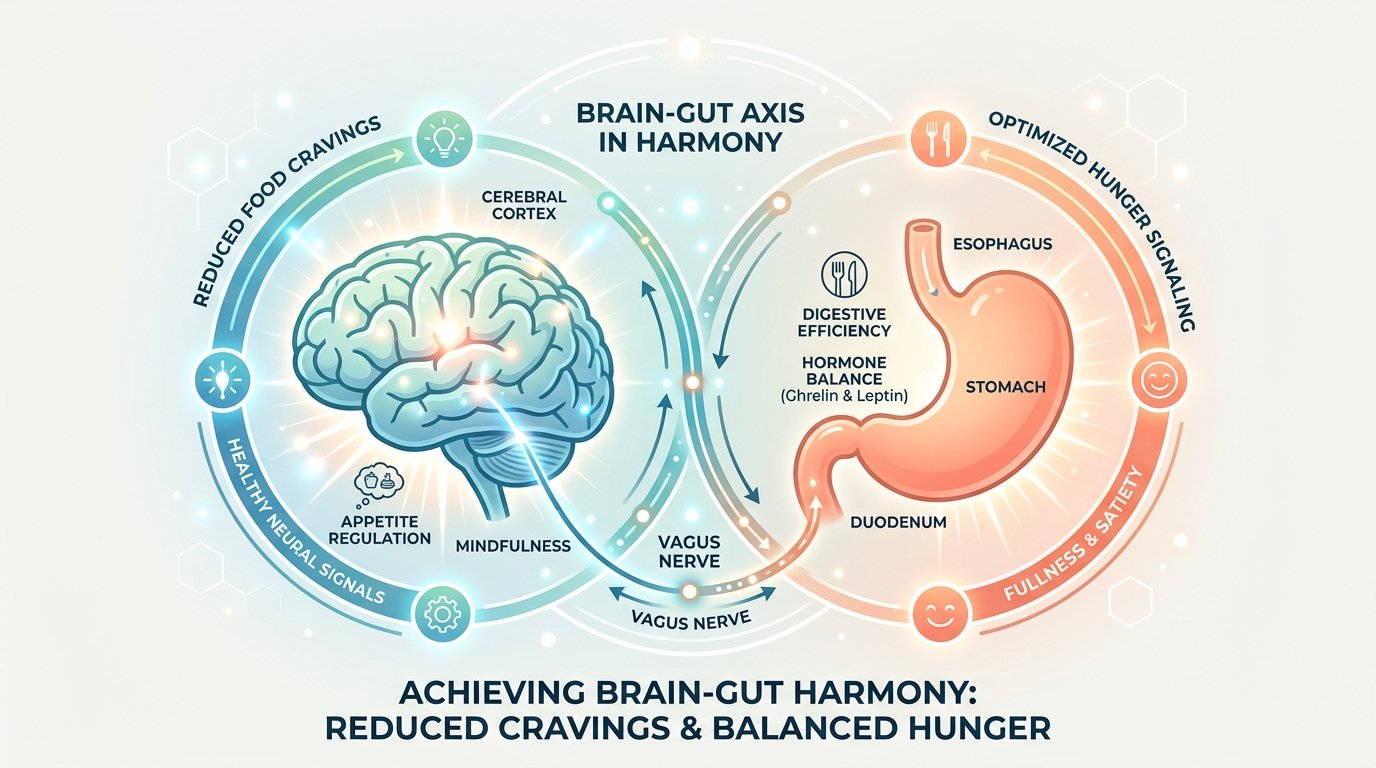
Intense cravings for sweets, bread, and pasta are often a physiological signal rather than a lack of willpower. When your cells are resistant to insulin, they aren't effectively receiving the glucose they need for fuel. In response, your brain sends out SOS signals: "We need energy now! Get us something fast-acting!" This leads to a vicious cycle of sugar cravings.
As your insulin sensitivity improves, your cells finally start getting the fuel they need. When your cells are "full," those urgent signals to the brain quiet down. You might find yourself walking past the breakroom donuts without a second thought, or realizing you haven't thought about chocolate all afternoon. This "food freedom" is a major milestone in metabolic health.
3. Your "Time in Range" (TIR) Is Increasing
If you use a Continuous Glucose Monitor (CGM), you might be used to looking at your average blood sugar or your A1C (average blood sugar level over 3 months). While those are important, "Time in Range" is often a more sensitive measure of improving health.
Time in Range refers to the percentage of time your blood sugar stays within a healthy target (usually between 70 and 140 mg/dL). Even if your A1C hasn't dropped yet, seeing your TIR climb from 60% to 75% is a definitive sign that your body is handling glucose more effectively. It means your body is spending less time in the "danger zones" of highs and lows.
Why Time in Range Matters
- Reduces Inflammation: Fewer spikes mean less oxidative stress on your blood vessels.
- Better Mood: Stable glucose leads to more stable neurotransmitter levels.
- Predicts Progress: Improvements in TIR almost always precede a lower A1C at your next doctor’s visit.
4. Your Blood Sugar "Bounces Back" Faster
One of the best ways to test insulin sensitivity is to see how your body handles a "challenge," like a meal containing carbohydrates. In the early stages of insulin resistance, your blood sugar might stay elevated for three or four hours after eating a bowl of pasta or a piece of fruit.
As you become more insulin sensitive, your body becomes more "agile." You might still see a spike after a high-carb meal—that’s normal—but your blood sugar will return to its baseline level much more quickly, often within 2 hours. This indicates that your insulin is working efficiently to usher that glucose out of the bloodstream and into your muscles or liver.
Pro Tip: If you’re curious about your recovery time, check your glucose levels 1 hour and 2 hours after a meal. A faster return to your pre-meal number is a huge win for your metabolism.
5. You’re Sleeping Through the Night
It might seem strange to link insulin to sleep, but the two are deeply connected. When your blood sugar is unstable, it can wreak havoc on your sleep architecture. High blood sugar can lead to frequent urination (the "nighttime bathroom trips"), while a rapid drop in blood sugar during the night can trigger a stress response.
When your blood sugar drops too low while you sleep (nocturnal hypoglycemia), your body releases cortisol and adrenaline to bump it back up. This "survival mode" wakes you up, often leaving you feeling wired and anxious at 3:00 AM. Improving insulin sensitivity leads to steadier nighttime glucose, which allows your body to stay in deep, restorative sleep cycles. If you’re waking up feeling refreshed rather than groggy, your metabolism is likely heading in the right direction.
6. Your "Brain Fog" Is Lifting
The brain is one of the most glucose-hungry organs in the body. However, it requires a very specific balance. Both too much and too little glucose can impair cognitive function. Insulin resistance in the brain has even been linked by researchers to long-term cognitive decline.
When your insulin sensitivity is poor, your brain cells can struggle to access energy, leading to "brain fog," difficulty concentrating, and forgetfulness. As sensitivity improves, many people report a "lifting of the clouds." You might find it easier to focus on complex tasks at work or feel more "present" in conversations. This mental clarity is a sign that your brain is finally getting the steady, reliable fuel source it deserves.
7. Changes in Your Waist-to-Hip Ratio
While we said to look "beyond the scale," we didn't say to ignore your body entirely! Insulin is a storage hormone. When insulin levels are chronically high (hyperinsulinemia), your body stays in "fat-storage mode," particularly around the midsection. This is often referred to as visceral fat, which surrounds your internal organs.
As insulin sensitivity improves and your baseline insulin levels drop, your body finally gets the signal that it’s okay to burn stored fat for fuel. You might notice that your pants fit more loosely around the waist, even if the total weight on the scale hasn't changed much. This is because you may be losing fat while maintaining or gaining muscle—a process known as body recomposition.
Other Physical Signs to Watch For:
- Skin Tags: A reduction in the appearance of new skin tags can sometimes be linked to better insulin levels.
- Darkened Skin Patches: The fading of Acanthosis Nigricans (dark, velvety patches of skin often found on the neck or armpits) is a classic clinical sign that insulin sensitivity is improving.
- Lower Blood Pressure: Insulin tells the kidneys to hold onto salt; as insulin drops, your body may release excess fluid, often leading to better blood pressure readings.
Key Takeaways
Improving your metabolic health is a journey, not a sprint. While the scale is one tool, it doesn't tell the whole story. If you are experiencing:
- Steadier energy throughout the day
- Fewer intense sugar cravings
- Improved Time in Range on your CGM
- Quicker glucose recovery after meals
- Deeper, more consistent sleep
- Better mental focus
- A shrinking waistline
...then you are doing the hard work of healing your metabolism from the inside out!
Summary
Insulin sensitivity is the cornerstone of long-term health and vitality. By focusing on these non-scale victories, you can stay motivated even when the weight loss feels slow. Remember, every healthy meal, every 10-minute walk after dinner, and every night of good sleep is a "vote" for a more sensitive and efficient metabolism.
Please consult your doctor before making significant changes to your diet or medication regimen, especially if you are taking insulin or other glucose-lowering medications.
Ready to see the patterns in your own health? Tracking your food and glucose together is the best way to spot these seven signs in real-time. Using a tool like GlucoAI can help you visualize your progress, celebrate your "Time in Range" wins, and understand exactly how your lifestyle choices are transforming your insulin sensitivity. Small habits lead to big improvements—start tracking your journey today!
GlucoAI — Smart Blood Sugar Monitor
Track, analyze, and optimize your glucose levels with AI-powered insights.