
- Published on
Managing PCOS Symptoms with Glucose Tracking
Have you ever felt like you were doing everything "right"—eating salads, hitting the gym, and getting enough sleep—yet the scale wouldn't budge, your skin remained prone to breakouts, and your energy levels felt like a rollercoaster? For many women living with Polycystic Ovary Syndrome (PCOS), this frustrating experience is a daily reality. While PCOS is often discussed as a reproductive issue, at its core, it is frequently a metabolic one. The missing piece of the puzzle for many is understanding the invisible link between their hormones and their blood sugar.
PCOS affects 1 in 10 women of childbearing age, yet it remains one of the most misunderstood endocrine disorders. The symptoms—ranging from irregular periods and thinning hair to stubborn weight gain and hirsutism (excess hair growth)—can feel disconnected and overwhelming. However, research suggests that up to 70% of women with PCOS have some form of insulin resistance. This is where glucose tracking becomes a game-changer. By monitoring how your body responds to food, stress, and movement in real-time, you can move away from "one-size-fits-all" advice and start making choices that actually work for your unique biology.
Understanding the Link: PCOS and Insulin Resistance
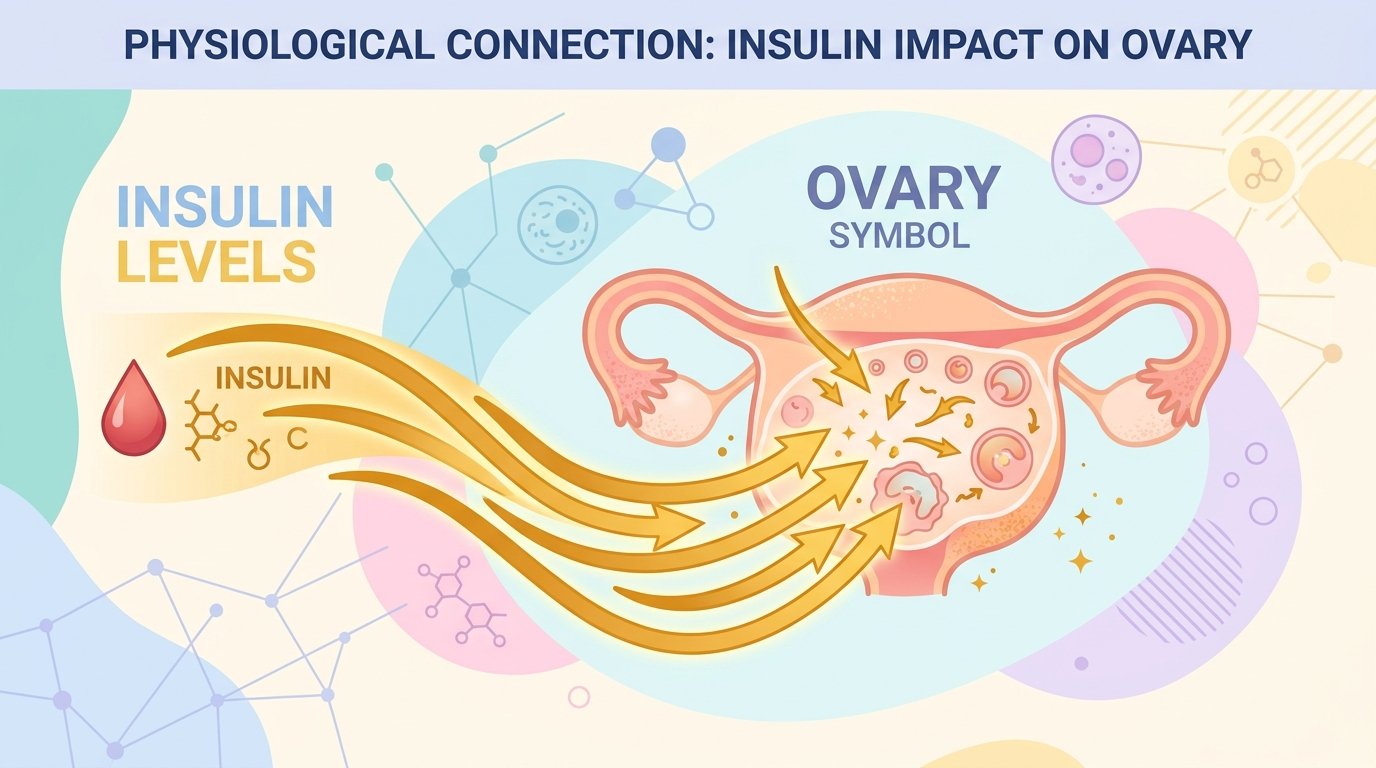
To manage PCOS effectively, we first have to talk about insulin. Think of insulin as a "key" that opens your cells to let glucose (blood sugar) in for energy. In a body with insulin resistance, the locks on those cells become "rusty." The body responds by pumping out more and more insulin to force the doors open. While this might keep your blood sugar in a "normal" range for a while, having high levels of insulin circulating in your bloodstream triggers a hormonal domino effect.
In the ovaries, high insulin levels act as a signal to produce more and more androgens, such as testosterone. This excess of "male" hormones is what leads to the classic PCOS symptoms like acne, hair loss on the head, and unwanted hair growth on the face or body. Furthermore, high insulin tells your body to store fat, particularly around the midsection, and makes it incredibly difficult to burn that fat for fuel. This creates a vicious cycle: insulin resistance drives PCOS symptoms, and the resulting hormonal imbalance can make insulin resistance even worse.
Why "Normal" Lab Results Can Be Misleading
Many women with PCOS are told by their doctors that their blood sugar is "fine" because their fasting glucose or A1C (average blood sugar level over 3 months) is within the standard range. However, these metrics are often the last things to change. You can have significant insulin resistance and wild glucose swings for years before your A1C of 5.7 or higher indicates prediabetes.
This is why glucose tracking is so empowering. It allows you to see the "spikes" and "crashes" that happen after a meal—data points that a once-a-year blood test will never catch. By smoothing out these spikes, you lower the overall demand for insulin, which eventually helps lower androgen levels and calms PCOS symptoms.
How to Start Glucose Tracking for PCOS
If you are new to tracking, the process might seem technical, but it is actually quite intuitive once you get started. There are two primary ways to monitor your glucose:
- Blood Glucose Meter (BGM): This is the traditional "finger-prick" method. It provides a snapshot of your blood sugar at that exact moment. For PCOS management, you would typically test first thing in the morning (fasting) and then 1 or 2 hours after meals to see how your body handled the food.
- Continuous Glucose Monitor (CGM): This is a small sensor worn on the arm or abdomen that measures glucose levels 24/7. It provides a literal "movie" of your metabolism, showing you exactly what happens while you sleep, exercise, and eat.
For beginners, starting with a BGM is a cost-effective way to get curious about your data. However, if you want the full picture of how stress or poor sleep affects your PCOS, a CGM is the gold standard. Regardless of the tool you choose, the goal isn't perfection; it is information. You are looking for patterns, not "good" or "bad" numbers.
Step 1: Establish Your Baseline
Spend the first 3 to 5 days eating and moving exactly as you normally would. Don't try to change anything yet. Document your meals, your sleep quality, and your stress levels. This baseline helps you identify your biggest "glucose triggers."
Step 2: Identify the "Spikes"
Look for readings that go above 140 mg/dL after a meal. While the body is designed to handle some rise in blood sugar, frequent or sustained spikes above this level require a large insulin response—exactly what we want to avoid with PCOS.
Step 3: Test One Variable at a Time
Once you see a spike (for example, after your morning oatmeal), try a "tweak" the next day. Maybe add a tablespoon of almond butter or a scoop of protein powder. Does the spike flatten? If so, you’ve just found a PCOS-friendly way to enjoy your breakfast.
Practical Strategies to Flatten the Glucose Curve
Managing PCOS through glucose tracking doesn't mean you have to go on a restrictive "no-carb" diet. In fact, many women find that extreme restriction increases cortisol (the stress hormone), which can actually raise blood sugar. Instead, focus on these science-backed strategies to stabilize your levels:
Use the "Food Order" Trick
The order in which you eat your food matters immensely for your glucose response. Try to eat fiber (vegetables) first, followed by protein and fats, and save your starches or sugars for the end of the meal. The fiber creates a "mesh" in your small intestine that slows down the absorption of glucose into the bloodstream. This simple change can reduce a glucose spike by up to 75% without changing the ingredients of your meal.
The Power of the 10-Minute Walk
Your muscles are your biggest consumers of glucose. A short, brisk walk after a meal—even just 10 minutes—can significantly lower your post-meal glucose peak. When you move your muscles, they can soak up the sugar in your blood without needing as much insulin. For someone with PCOS, this "insulin-free" glucose clearance is a powerful tool for metabolic healing.
Prioritize Protein in the Morning
Women with PCOS often experience "The Dawn Phenomenon" or high morning cortisol, which can lead to early morning glucose rises. Eating a high-protein breakfast (at least 25 to 30 grams) within an hour of waking can help stabilize your energy for the rest of the day and prevent the "afternoon slump" that often leads to sugar cravings.
Beyond the Plate: Stress and Sleep
It is important to remember that glucose isn't just about what you eat. For the PCOS brain, stress is a major metabolic disruptor. When you are stressed, your body releases cortisol, which tells your liver to dump stored glucose into your bloodstream for "fight or flight" energy. If you aren't actually running away from a predator, that glucose just sits there, requiring more insulin to clear.
Similarly, just one night of poor sleep (less than 6 hours) can make you as insulin resistant as a person with type 2 diabetes the following day. If you track your glucose, you might notice that the exact same meal that gave you a stable response on Monday causes a huge spike on Tuesday because you stayed up too late. This insight is incredibly helpful because it shifts the blame away from "lack of willpower" and toward biological reality.
Managing "Glucose Anxiety"
When you start tracking, it is easy to become obsessed with the numbers. If you see a high reading, take a deep breath. One spike will not ruin your progress. Use it as a data point. Ask yourself: "Was I stressed? Did I sleep poorly? Did I eat my carbs on an empty stomach?" The more you treat your body like a science experiment rather than a judge and jury, the more sustainable your progress will be.
Using Technology to Simplify the Journey
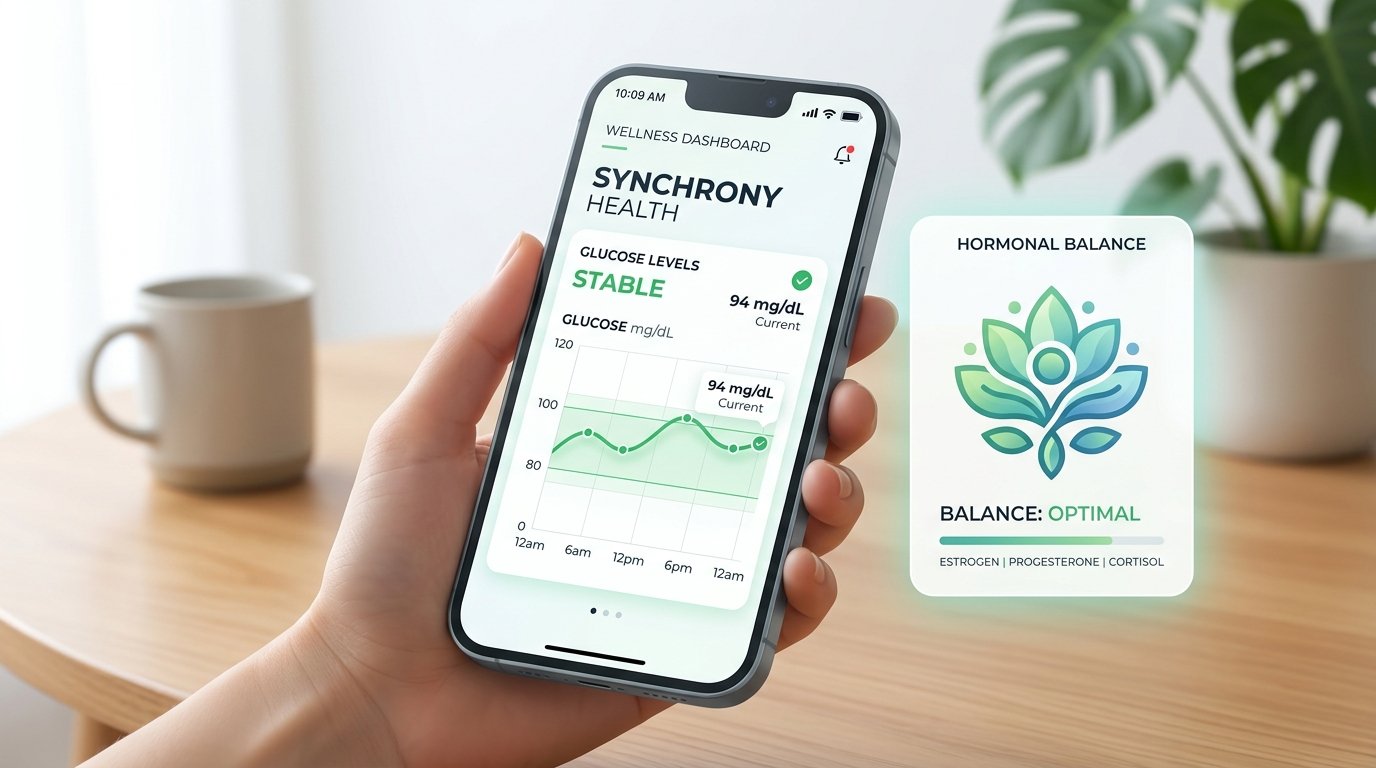
Data is only useful if you can understand it. Trying to manually correlate your glucose readings with your food logs, menstrual cycle phases, and exercise can feel like a full-time job. This is where a dedicated tool like GlucoAI can make a significant difference.
By using an AI-powered glucose tracking app, you can upload your data and receive instant insights into how your lifestyle is affecting your PCOS. For example, GlucoAI can help you identify which specific foods are causing your highest spikes and suggest alternatives that keep your insulin levels low. It can also track your progress over time, showing you how your "Time in Range" (the percentage of time your blood sugar stays in a healthy zone) improves as you implement these changes.
Having a digital "guide" in your pocket helps remove the guesswork. Instead of wondering if your lifestyle changes are working, you can see the evidence in your metabolic trends. Over time, as your glucose stabilizes, you may notice your skin clearing up, your periods becoming more regular, and that stubborn "PCOS belly" finally starting to shift.
Summary: Your PCOS Action Plan
Managing PCOS through glucose tracking is about playing the "long game." You are retraining your body to be more metabolically flexible and reducing the insulin burden that drives hormonal chaos.
Key Takeaways:
- PCOS is a metabolic issue: Insulin resistance is the root cause for most women with PCOS, leading to high androgens and classic symptoms.
- Glucose tracking provides a "window" into your hormones: Real-time data shows you how your body responds to food and stress in ways a standard A1C test cannot.
- Small changes lead to big results: Focus on food order (fiber first), post-meal movement, and high-protein breakfasts to flatten your glucose curve.
- Context matters: Sleep and stress are just as important as diet when it comes to blood sugar stability.
- Always consult your doctor: Before making significant changes to your diet or starting new supplements, please consult your healthcare provider, especially if you are taking medications like Metformin.
If you're ready to stop guessing and start knowing, consider starting your glucose tracking journey today. Tools like GlucoAI can help you decode your data and provide the support you need to reclaim your health. Remember, your symptoms are not a life sentence—they are signals from your body asking for a little metabolic support. With the right data and a bit of patience, you can find the balance you deserve.
GlucoAI — Smart Blood Sugar Monitor
Track, analyze, and optimize your glucose levels with AI-powered insights.