
- Published on
Smoking and Insulin Resistance: The Nicotine Connection
When we think about the health risks of smoking, our minds usually go straight to lung health or heart disease. We’ve seen the warnings on packages and heard the lectures from doctors about respiratory issues. But there is a silent, metabolic side effect of smoking that rarely gets the spotlight: its profound impact on your blood sugar and insulin sensitivity.
If you are managing diabetes, prediabetes, or simply trying to optimize your metabolic health, understanding the link between nicotine and glucose is essential. It isn't just about the "smoke" in your lungs; it’s about the chemical signals being sent to your liver, your pancreas, and your cells every time nicotine enters your system. Let's dive into how this habit—whether through traditional cigarettes, vaping, or even nicotine patches—changes the way your body processes energy.
The Science: How Nicotine Triggers Glucose Spikes
Nicotine is a powerful stimulant. When it enters your bloodstream, it triggers the release of catecholamines, specifically adrenaline (epinephrine). This is part of the body’s "fight or flight" response. While this might give you a temporary sense of alertness or a "buzz," it tells your body that it needs a quick burst of energy to deal with a perceived threat.
In response to this adrenaline surge, your liver performs a process called glycogenolysis. This is a fancy way of saying your liver dumps stored sugar (glucose) into your bloodstream to fuel your muscles. However, since you aren't actually fighting a tiger or running a race, that extra sugar just sits in your blood. For someone with a stable metabolism, the body releases insulin to tuck that sugar away. But for those with insulin resistance, this constant "dumping" of sugar leads to chronically high levels and increased stress on the pancreas.
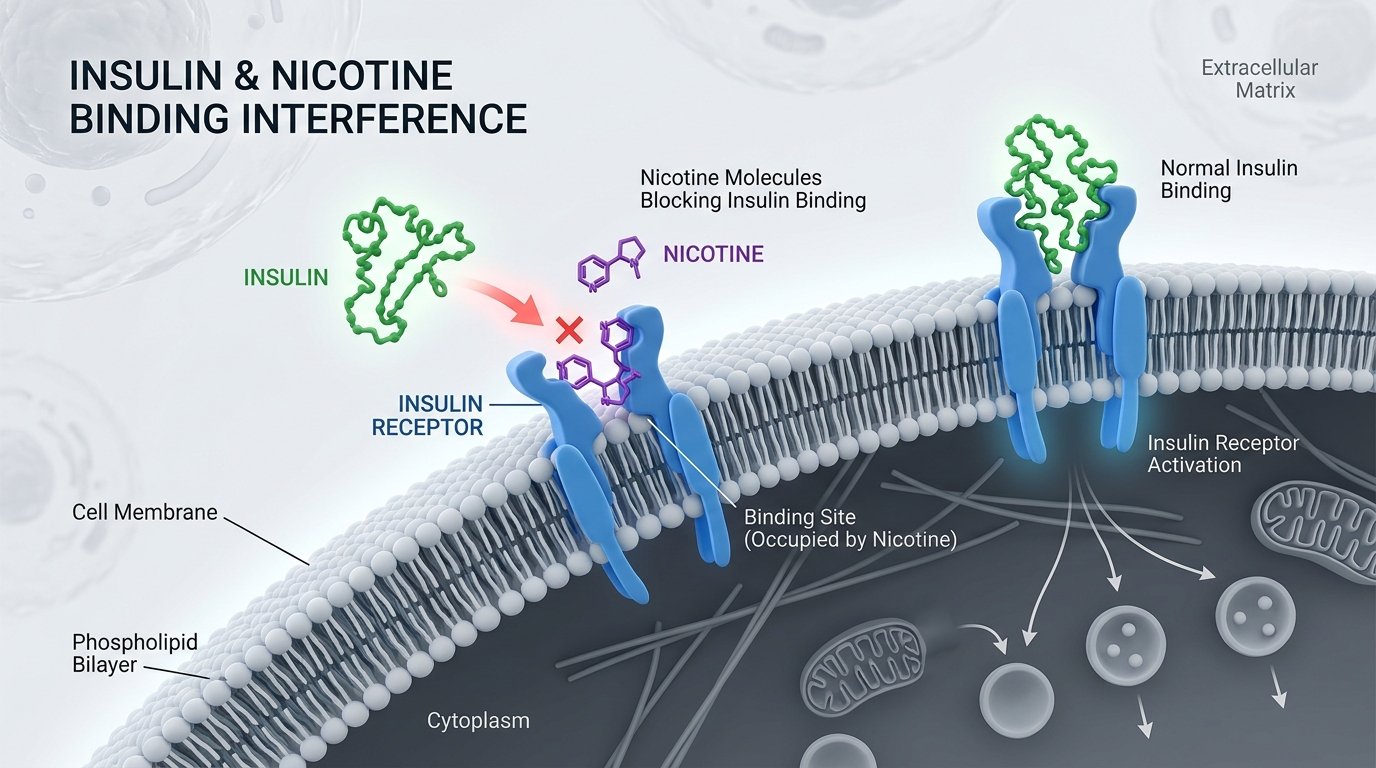
Smoking and the Development of Insulin Resistance
The relationship between smoking and insulin resistance is a "two-way street" of metabolic damage. Research has shown that smokers are about 30% to 40% more likely to develop type 2 diabetes than non-smokers. But why does this happen?
First, nicotine directly interferes with the way your cells respond to insulin. It essentially makes your cells "deaf" to insulin’s signal. When insulin knocks on the door of a cell to let glucose in, nicotine acts like earplugs, preventing the cell from hearing the message. As a result, your pancreas has to pump out even more insulin to get the job done. Over time, this leads to hyperinsulinemia (excess insulin in the blood), which is a primary driver of weight gain around the midsection and systemic inflammation.
Secondly, smoking increases oxidative stress. The toxins in cigarette smoke create free radicals that damage the insulin receptors on your cell membranes. This structural damage makes it physically harder for insulin to bind to your cells, further cementing the cycle of resistance.
The Role of Inflammation
Smoking is a pro-inflammatory habit. It raises levels of C-reactive protein (CRP) and white blood cell counts, both of which are markers of chronic inflammation. Inflammation and insulin resistance are best friends; where you find one, you almost always find the other. Chronic inflammation can damage the beta cells in your pancreas—the very cells responsible for producing insulin. If these cells become exhausted or damaged, your body loses its ability to regulate blood sugar effectively, leading to higher A1C levels over time.
Is Vaping or Nicotine Replacement Therapy (NRT) Safer?
Many people switch to vaping or use nicotine patches and gum as a "healthier" alternative to smoking. While these options are undoubtedly better for your lungs because they eliminate many of the carcinogenic tars found in combustible tobacco, they do not solve the metabolic problem.
The primary culprit for insulin resistance in this equation is the nicotine itself. Whether you inhale it through a vape or absorb it through a patch, nicotine still triggers that adrenaline response and liver glucose dump. Studies have indicated that even smokeless tobacco users have a higher risk of insulin resistance compared to non-nicotine users.
If you are using Nicotine Replacement Therapy (NRT) to quit, it is still a positive step forward. The goal is to eventually taper off nicotine entirely to allow your insulin sensitivity to recover. During this transition, monitoring your glucose levels closely is vital, as you may notice fluctuations as your body adjusts to lower nicotine levels.
The "Quitting Gap": Managing Blood Sugar During Cessation
One of the biggest fears people have when quitting smoking is weight gain. It is true that nicotine suppresses appetite and slightly increases metabolic rate. When you quit, your metabolism may slow down slightly, and your appetite—especially for sugary "comfort" foods—often increases.
This is where many people experience a temporary dip in metabolic health. They quit smoking but replace the hand-to-mouth habit with snacking. Because the body is already struggling with nicotine-induced insulin resistance, these extra carbohydrates can lead to significant blood sugar spikes and rapid weight gain.
However, this "quitting gap" is manageable. By focusing on high-fiber foods, lean proteins, and staying hydrated, you can stabilize your glucose levels while your body heals. The long-term benefits of quitting far outweigh the temporary challenge of managing your appetite. Within weeks of quitting, your body’s ability to use insulin begins to improve, and your systemic inflammation starts to drop.
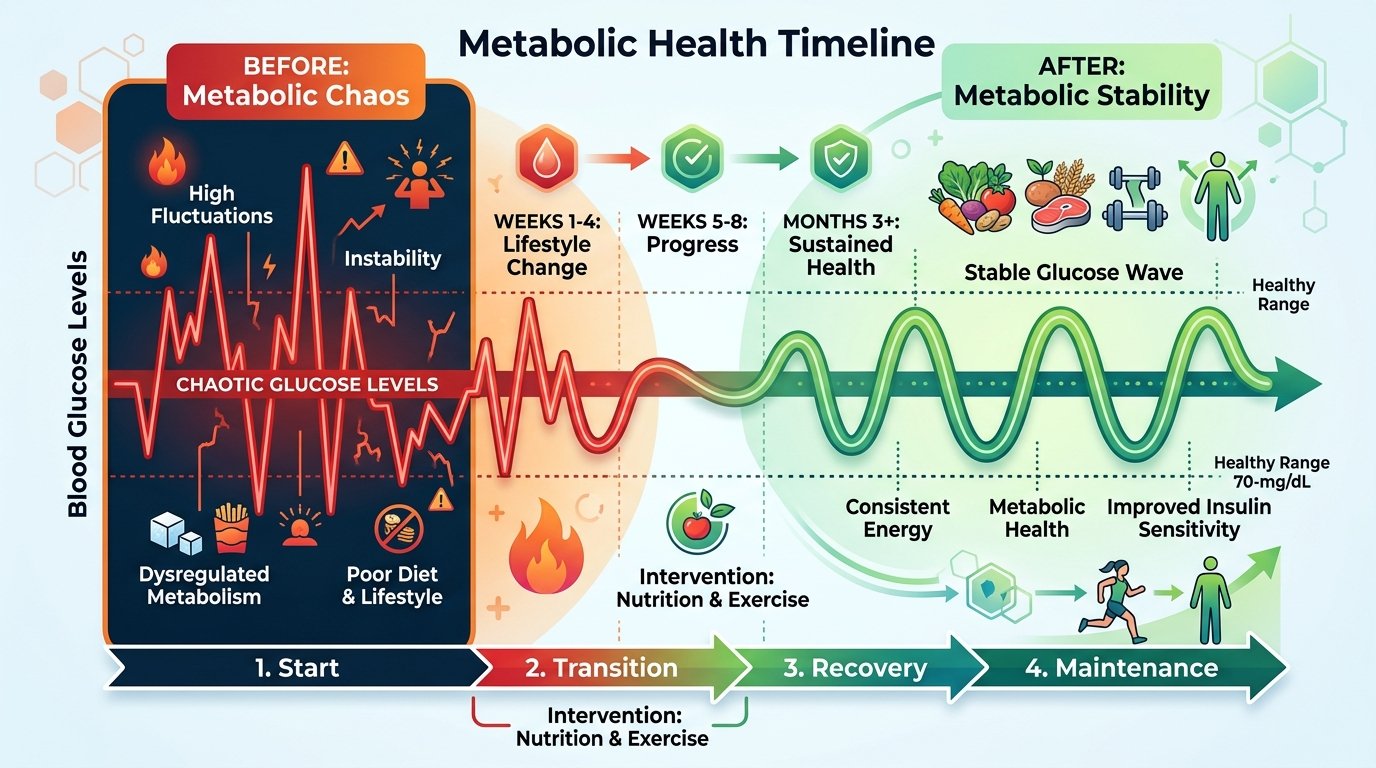
Practical Steps to Improve Your Metabolic Health
Quitting smoking is one of the single best things you can do for your longevity, but it isn't the only step. If you have been a smoker, your metabolism might need some extra support to regain its balance. Here are actionable steps to help restore your insulin sensitivity:
- Prioritize Strength Training: Muscle is your most "metabolically active" tissue. Resistance training increases the number of insulin receptors on your muscles, making them more efficient at soaking up glucose without needing as much insulin.
- Monitor Your Numbers: Use a glucose tracking app or a CGM (Continuous Glucose Monitor) to see how your body responds to meals during and after your quitting journey. Seeing the data in real-time can be a huge motivator.
- Increase Antioxidant Intake: Since smoking causes oxidative stress, load up on colorful vegetables, berries, and green tea. These help neutralize free radicals and support cell repair.
- Manage Your Stress: Since nicotine was likely your "stress reliever," you need a new tool. Breathwork, meditation, or short walks can help lower cortisol levels, which in turn helps keep blood sugar stable.
- Consult Your Doctor: Always talk to a healthcare professional before making major lifestyle changes or starting a cessation program. They can help you monitor your
A1Cand adjust any medications as your insulin sensitivity improves.
Summary: Key Takeaways
Understanding the link between nicotine and metabolism is a powerful tool in your health journey. Here are the core points to remember:
- Nicotine triggers glucose dumps: It stimulates adrenaline, causing the liver to release stored sugar into the blood.
- Insulin resistance increases: Smoking makes cells less responsive to insulin, leading to higher blood sugar and higher insulin levels.
- Inflammation is a factor: The toxins in smoke cause systemic inflammation, which further damages metabolic health.
- Vaping isn't a "free pass": Nicotine, regardless of the source, still impacts insulin sensitivity.
- Quitting is worth it: While the transition can be tricky, your insulin sensitivity begins to improve shortly after your last dose of nicotine.
Managing your health is about seeing the full picture. While smoking is a tough habit to break, understanding that it is actively working against your blood sugar goals can provide the extra "why" you need to start the quitting process. By using tools like GlucoAI to track your progress and stay mindful of your habits, you can navigate the path to better metabolic health with confidence. Every day you choose health over nicotine, your cells become a little more sensitive, your energy becomes more stable, and your future becomes much brighter.
GlucoAI — Smart Blood Sugar Monitor
Track, analyze, and optimize your glucose levels with AI-powered insights.