
- Published on
Noise Pollution and Glucose: The Hidden Metabolic Risk
Noise Pollution and Glucose: The Hidden Metabolic Risk
When you think about factors that influence your blood glucose levels, your mind likely jumps to carbohydrates, physical activity, or sleep quality. It is less common to consider the sound environment of your home or office. However, emerging research suggests that chronic noise pollution—the persistent, unwanted sound from traffic, industrial activity, or even a noisy neighborhood—could be a silent disruptor of your metabolic health.
Managing diabetes or prediabetes often feels like a full-time job, involving constant vigilance over your food choices and medication. Understanding how environmental stressors like noise affect your body can provide a missing piece of the puzzle. If you find that your blood sugar numbers are higher than expected despite your best efforts, it might be time to look at the volume level of your daily environment.
The Biological Link Between Sound and Stress
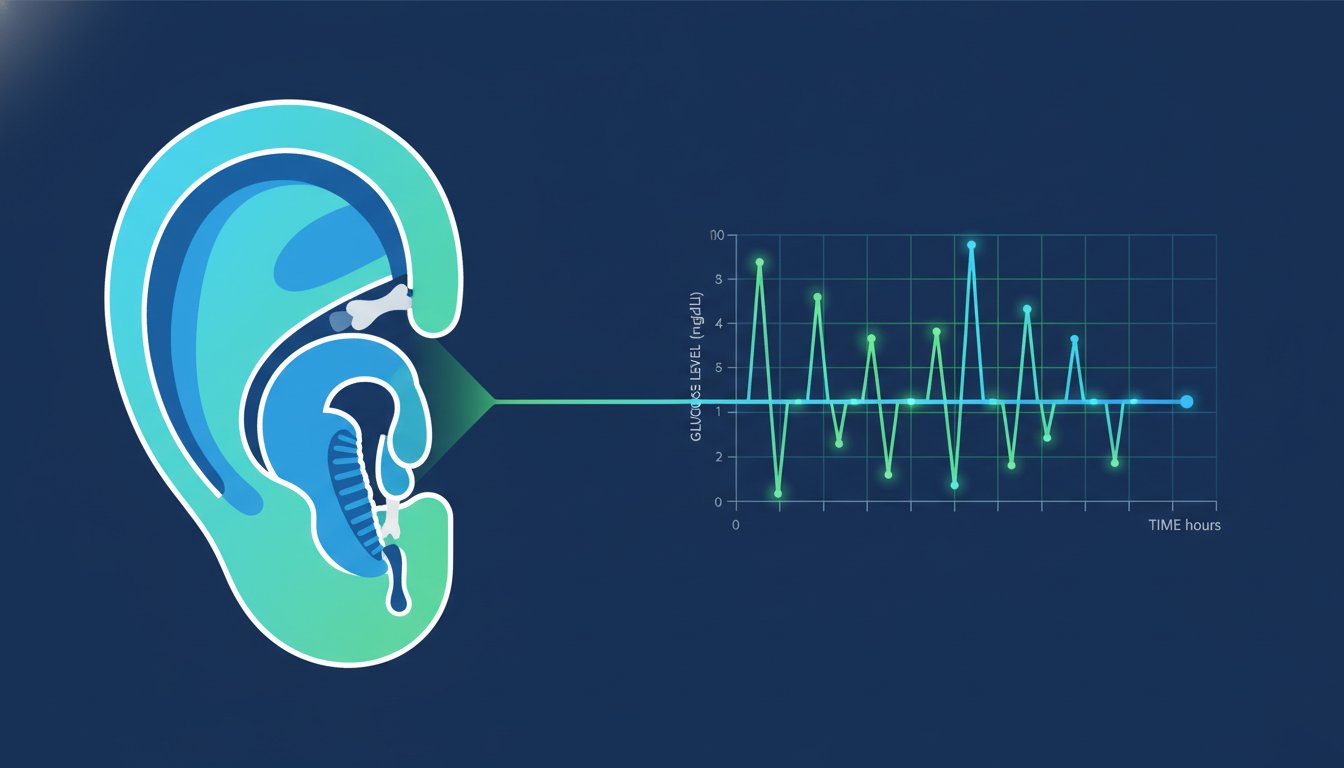
The connection between noise and metabolism is primarily driven by your body’s stress response. Even when you are asleep or not consciously bothered by the sound of a distant highway, your brain continues to process sensory input. Chronic exposure to loud or persistent sounds activates the sympathetic nervous system—your "fight or flight" mechanism.
When this system is engaged, your body releases a cascade of stress hormones, including cortisol and adrenaline. Cortisol, in particular, plays a significant role in glucose regulation. It signals the liver to release stored glucose into the bloodstream to provide the "energy" needed to deal with a perceived threat. In an ancestral environment, this was a survival mechanism. In our modern, noisy world, this constant drip of stress hormones can keep your blood glucose levels elevated, even when you aren't physically running from a predator.
How Noise Impacts Your Circadian Rhythm
Your metabolic health is deeply tied to your internal body clock, or circadian rhythm. This 24-hour cycle governs everything from hormone production to insulin sensitivity. Noise pollution is a notorious thief of restorative sleep. Even if you don't wake up fully, the noise can cause "micro-arousals" that shift you out of deep, restorative sleep stages.
Poor sleep quality is directly linked to insulin resistance. When you are sleep-deprived, your cells become less efficient at responding to insulin, which is the hormone responsible for moving glucose out of your blood and into your cells for energy. Over time, this creates a vicious cycle: poor sleep leads to higher morning glucose levels, which then makes it harder to maintain stable blood sugar throughout the day. By reducing ambient noise, you are not just improving your sleep; you are actively protecting your metabolic stability.
Long-Term Metabolic Consequences
Research published in various cardiovascular and metabolic journals has indicated that long-term exposure to road traffic noise is associated with an increased risk of developing type 2 diabetes. The constant state of physiological arousal leads to systemic inflammation. Inflammation is a known driver of metabolic dysfunction, further complicating the body’s ability to maintain a healthy balance.
If you live in a high-traffic area, you are essentially living in a state of low-grade, chronic stress. Over months and years, this can lead to:
- Elevated baseline cortisol: Keeping your blood sugar higher throughout the day.
- Reduced insulin sensitivity: Making it harder for your body to process carbohydrates efficiently.
- Increased cravings: Cortisol-driven stress often leads to cravings for high-sugar, high-fat foods, which can exacerbate blood glucose spikes.

Practical Steps to Mitigate Noise Exposure
You cannot always move away from a busy city or change the geography of your workplace, but you can take actionable steps to minimize the metabolic impact of your sound environment.
1. Optimize Your Sleep Environment
Your bedroom should be a sanctuary. If you live in an urban environment, consider using high-quality earplugs or a white noise machine. White noise can help mask sudden, disruptive sounds—like a car horn or a siren—that trigger the stress response, helping you stay in a deeper, more restorative state of sleep.
2. Physical Soundproofing
Simple modifications can make a significant difference. Heavy, noise-reducing curtains can help dampen the sound coming through windows. If you own your home, sealing gaps around windows and doors can reduce the amount of traffic noise entering your living space.
3. Use Technology to Your Advantage
Consistency is key when managing any health variable. Using tools like GlucoAI can help you identify patterns between your environment and your metabolic response. By logging your glucose levels alongside your daily activities and noting when you feel particularly stressed by noise, you can begin to see if there is a correlation for you personally. If you see that your blood sugar is consistently higher on days where you were exposed to heavy construction or traffic noise, you have a clear indicator that your environment is playing a role.
4. Practice Active De-stressing
If you cannot escape the noise, you must change how your body reacts to it. Techniques like deep breathing, meditation, or progressive muscle relaxation can help "down-regulate" your nervous system. By consciously triggering the parasympathetic (rest and digest) response, you can counteract the cortisol spikes triggered by the noise around you.
The Role of Consistent Monitoring
It is easy to focus only on diet and exercise when managing blood glucose, but metabolic health is holistic. When you track your metrics consistently, you gain the power to see what works and what doesn't. GlucoAI allows you to look at your data over weeks and months, helping you distinguish between random fluctuations and meaningful trends.
If you find that your glucose levels are persistently difficult to manage, consider it a signal to look deeper. Is it the food? Perhaps. But is it also the stress of your commute or the noise level of your neighborhood? By monitoring these factors, you can make informed decisions about where to spend your energy. Please consult your doctor if you are struggling with unexplained blood sugar fluctuations, as they can help you rule out other medical factors.
Summary
Noise pollution is a hidden but significant risk to your metabolic health. By triggering chronic stress responses and disrupting your sleep, it can directly influence your blood glucose levels and insulin sensitivity.
Key takeaways for your health journey:
- Acknowledge the stress: Recognize that environmental noise is a physiological stressor.
- Protect your sleep: Use noise-masking techniques to ensure you get the deep rest your metabolism needs.
- Monitor the trends: Use glucose tracking tools to see if there is a relationship between your sound environment and your metabolic data.
- Build a sanctuary: Small changes to your home environment can lead to big improvements in how your body handles glucose.
You have more control over your metabolic health than you might think. By paying attention to the "invisible" factors—like the noise around you—and using tools like GlucoAI to stay informed, you can build a more stable and resilient path to wellness. Start today by observing your environment and making one small change to create a quieter, more peaceful space for your body to thrive.
GlucoAI — Smart Blood Sugar Monitor
Track, analyze, and optimize your glucose levels with AI-powered insights.