
- Published on
Hydration Timing: Impact on Post-Meal Glucose Peaks
Have you ever noticed that a meal that usually keeps your blood sugar stable causes a surprising spike on some days, while leaving you perfectly balanced on others? While we often focus on what we eat, the timing of when we drink water might be the missing piece of your metabolic puzzle. Hydration is more than just quenching thirst; it is a fundamental regulator of your blood glucose levels.
Managing glucose spikes is a top priority for anyone monitoring their metabolic health. When you understand how water intake interacts with your digestion and insulin sensitivity, you gain a powerful, cost-free tool for your daily management. In this guide, we will explore the science behind hydration timing and how you can use it to smooth out your post-meal glucose curves.
The Physiology of Hydration and Glucose
To understand why hydration matters, we first need to look at how blood sugar works. When you eat carbohydrates, your body breaks them down into glucose, which enters your bloodstream. Your pancreas then releases insulin—a hormone that helps your cells absorb that glucose for energy.
When you are dehydrated, your blood volume decreases. This means your blood becomes more concentrated, leading to a higher relative concentration of glucose in your bloodstream. Effectively, even if you ate the exact same amount of carbohydrates, being dehydrated makes your blood glucose readings appear higher than they would be if you were well-hydrated.
Furthermore, adequate hydration supports kidney function. Your kidneys are responsible for filtering excess glucose from your blood when levels rise too high. If you are chronically under-hydrated, this natural filtration system may become less efficient, potentially prolonging the time your glucose levels remain elevated after a meal.
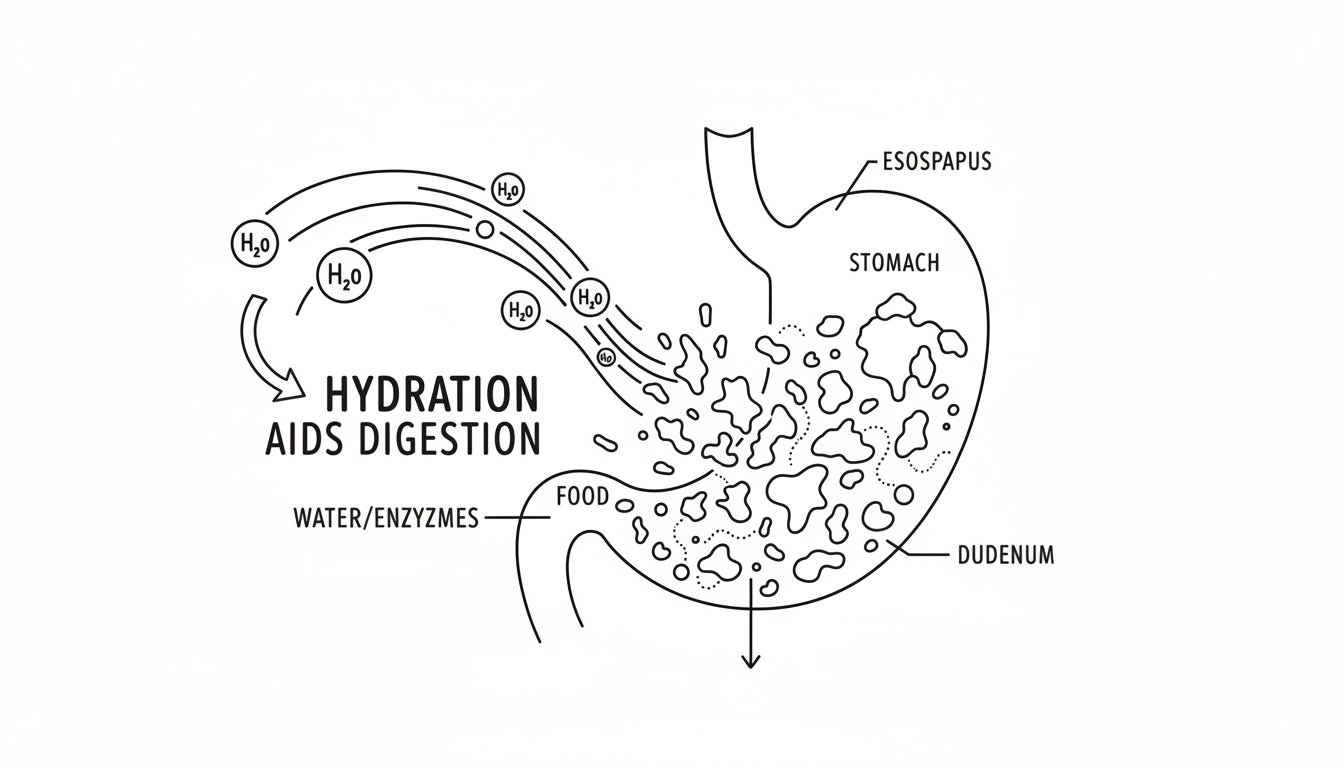
Why Timing Matters: The Pre-Meal Advantage
Many people habitually drink water alongside their meals to help with digestion. However, research suggests that the timing of your water intake can significantly influence your post-meal glucose response.
Drinking Water Before Your Meal
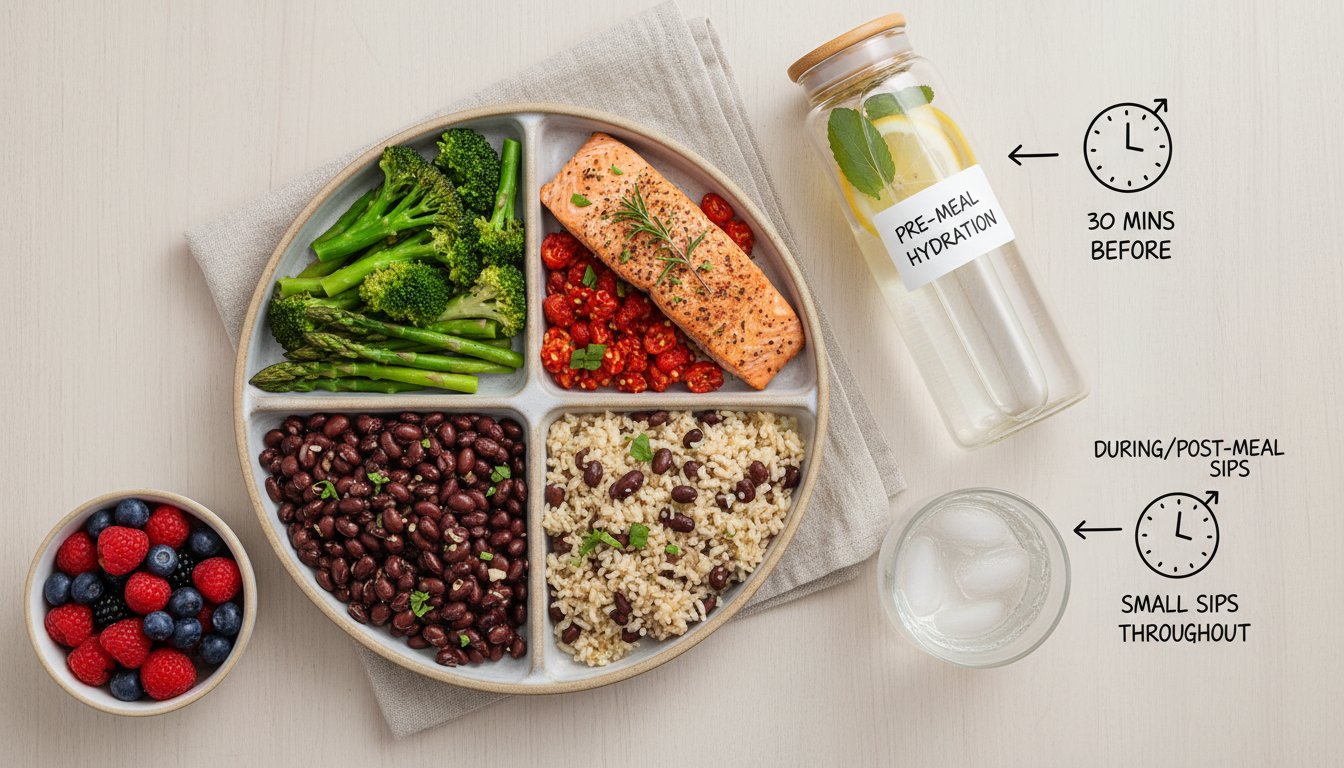
Drinking a glass of water 20 to 30 minutes before a meal can be a game-changer. This practice often promotes a sense of fullness, which can naturally help with portion control. More importantly, arriving at the table well-hydrated ensures that your blood volume is optimal, allowing your body to manage the incoming glucose load more effectively.
The Problem with Excessive Water During Meals
While staying hydrated is vital, drinking large quantities of water during your meal can potentially dilute your stomach acid and digestive enzymes. While this effect is generally minor for most people, some individuals find that it slows down the early stages of digestion. For those managing diabetes, keeping digestion consistent is key to predicting how and when your glucose levels will peak.
Hydration Post-Meal
Sipping water after a meal is an excellent way to maintain metabolic balance. It supports the hydration of your tissues and aids in the transport of nutrients. If you notice a spike shortly after eating, staying hydrated can assist your kidneys in processing the glucose load more efficiently.
Practical Steps for Hydration Optimization
Integrating these findings into your daily routine doesn't require a radical lifestyle overhaul. It is about making small, evidence-based adjustments to your existing habits.
- Start Your Morning Hydrated: Your body loses water while you sleep. Drinking 12 to 16 ounces of water upon waking kickstarts your metabolism and sets a baseline for the day.
- The 30-Minute Rule: Try drinking a full glass of water roughly 30 minutes before your main meals. This ensures you are hydrated before the glucose influx begins.
- Sip, Don't Gulp, During Meals: If you feel thirsty, take small sips rather than drinking a large volume of water. This keeps your digestion steady and prevents the feeling of bloating.
- Monitor Your Trends: Use a glucose tracking tool to see how your specific body reacts to different hydration patterns. You might notice that on days when you prioritize pre-meal water, your peak is lower and your return to baseline is faster.
Troubleshooting Common Hydration Issues
Even with the best intentions, it can be difficult to maintain perfect hydration. Here are a few ways to overcome common hurdles:
"I forget to drink water throughout the day."
Use your technology to your advantage. Many glucose tracking apps, including GlucoAI, allow you to log your water intake alongside your glucose data. By setting simple reminders, you can build the habit of consistent hydration until it becomes second nature.
"Plain water is boring."
If you struggle to drink enough water, try infusing it with natural flavors. A slice of lemon, a few cucumber ribbons, or fresh mint leaves can make hydration more enjoyable without adding sugar or artificial sweeteners that could impact your glucose. Avoid commercial "vitamin waters" that are often loaded with hidden sugars.
"I am drinking plenty of water but still feel dehydrated."
Hydration isn't just about water; it is about electrolytes. If you are highly active or live in a hot climate, you may need sodium, potassium, and magnesium to help your cells actually absorb the water you drink. Always consult your doctor before adding electrolyte supplements to your routine, especially if you are managing kidney health or taking blood pressure medication.
Results You Can Expect
By optimizing your hydration, you are not just managing glucose; you are supporting your overall metabolic health. Many people who adopt these habits report:
- Lower peak glucose readings: By ensuring your blood volume is sufficient, you may notice smaller spikes after meals.
- Faster return to baseline: Proper hydration helps your body process and clear glucose more efficiently.
- Increased energy levels: Stable blood sugar throughout the day leads to fewer "crashes" and a more consistent sense of vitality.
Summary and Next Steps
Hydration timing is a subtle but potent factor in managing post-meal glucose peaks. By prioritizing water intake before your meals and maintaining steady hydration throughout the day, you provide your body with the environment it needs to manage insulin sensitivity and glucose clearance effectively.
Remember that every body is unique. What works for one person may vary slightly for another, which is why tracking your personal data is so important. Using a tool like GlucoAI allows you to log your meals, your hydration, and your glucose levels in one place, helping you uncover the specific patterns that work best for your metabolic health.
Start by experimenting with the 30-minute pre-meal water rule this week. Track your numbers, observe how you feel, and continue to refine your approach. Your journey toward better metabolic stability is built on these small, consistent actions.
Disclaimer: This information is for educational purposes and does not constitute medical advice. Please consult your doctor or a registered dietitian before making significant changes to your diet or hydration routine, especially if you are managing diabetes or other health conditions.
Ready to see how your hydration habits affect your glucose? Download the GlucoAI app today to start logging your meals and hydration, and gain the insights you need to take control of your metabolic health.
GlucoAI — Smart Blood Sugar Monitor
Track, analyze, and optimize your glucose levels with AI-powered insights.