
- Published on
Mindful Eating: Improving Glucose Through Slower Digestion
Mindful Eating: Improving Glucose Through Slower Digestion
Have you ever finished a meal and realized you barely remember tasting the food? In our fast-paced world, eating often becomes a secondary task—something we do while scrolling through emails, driving, or watching television. Unfortunately, this "mindless" approach to nutrition does more than just ruin the dining experience; it can significantly impact your blood sugar levels. When we eat too quickly, our bodies struggle to keep pace with the influx of glucose, leading to sharper spikes and more challenging management throughout the day.
Understanding the connection between how you eat and how your body processes glucose is a transformative step in metabolic health. By slowing down your digestion through mindful eating, you provide your system with the time it needs to regulate insulin response effectively. This guide will explore how shifting your focus during meals can lead to better stability, improved digestion, and a more sustainable approach to managing your blood sugar.
The Physiology of Fast Eating and Glucose Spikes
When you eat rapidly, you are effectively "flooding" your digestive system with carbohydrates before your body has the chance to prepare. Under normal conditions, the digestive process begins the moment you see or smell food. Your brain signals the release of saliva and digestive enzymes, while your pancreas prepares to secrete insulin—the hormone responsible for moving glucose from your bloodstream into your cells.
If you consume a meal in just a few minutes, your blood glucose levels rise faster than your body can release enough insulin to handle the load. This results in a rapid spike in blood sugar, often followed by a "crash" as your body overcompensates with insulin. For those monitoring their health with a Continuous Glucose Monitor (CGM), these patterns are often clearly visible as sharp, vertical peaks on your glucose graph.
By slowing down, you allow the gut-brain axis more time to communicate. It takes approximately 20 minutes for your brain to receive signals of satiety from your gut. Eating slowly not only helps you avoid overeating but also creates a more gradual, manageable curve in your blood glucose readings.
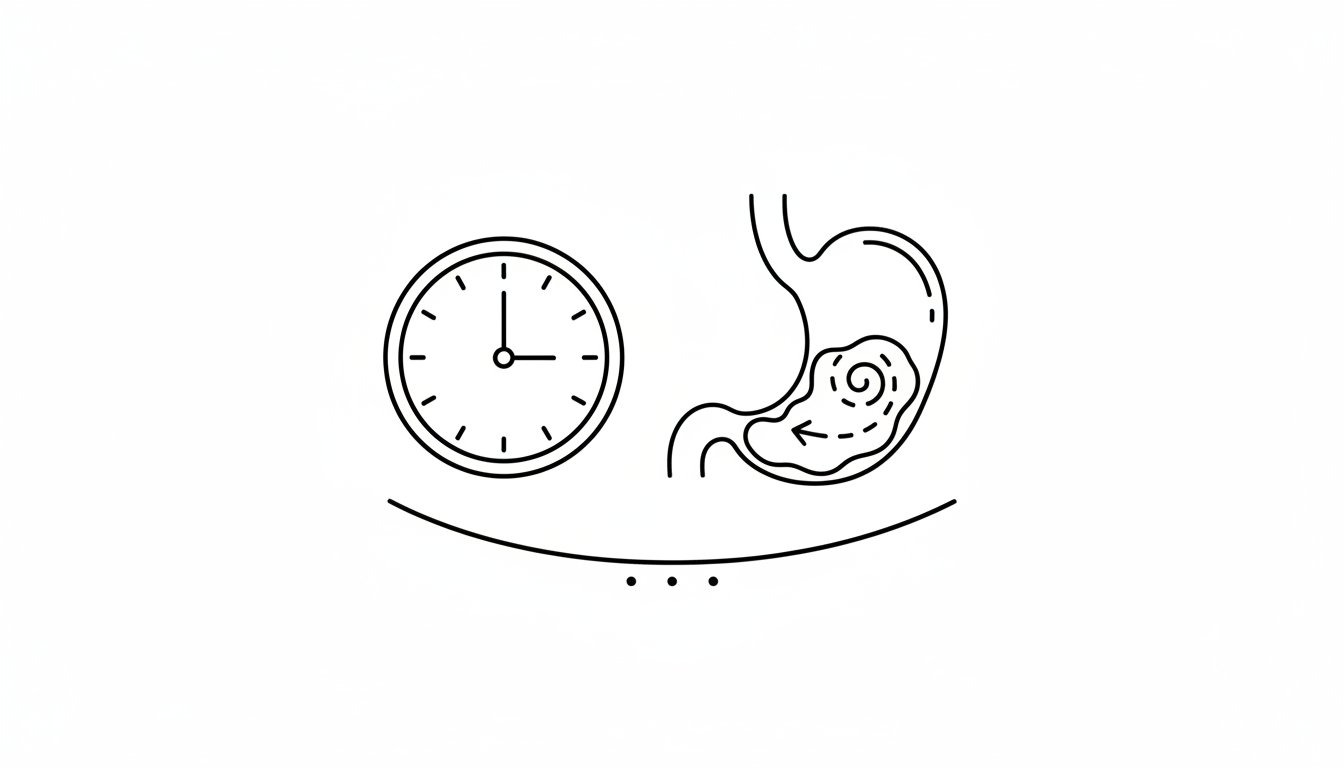
What is Mindful Eating?
Mindful eating is not a diet or a set of restrictive rules; it is a state of awareness. It involves paying full attention to the experience of eating—the textures, flavors, smells, and the physical sensations of hunger and fullness. It is about removing distractions and creating a dedicated space for your body to receive nourishment.
The Benefits for Metabolic Health
- Improved Digestion: Chewing your food thoroughly breaks down carbohydrates into simpler sugars before they reach the small intestine, making the absorption process smoother.
- Hormonal Balance: Being mindful encourages the release of satiety hormones like PYY and GLP-1, which help stabilize glucose levels.
- Stress Reduction: Taking time to eat encourages the parasympathetic nervous system (the "rest and digest" state) to take over, which helps prevent stress-induced glucose spikes.
Practical Steps to Practice Mindful Eating
You do not need to overhaul your entire lifestyle overnight to see the benefits. Start by implementing these small, actionable changes into your daily routine.
1. The "Chew-to-Liquid" Rule
Try to chew each mouthful of food until it reaches a near-liquid consistency. While this sounds simple, it forces you to slow down significantly. Chewing is the first stage of digestion. When you do the hard work in your mouth, your stomach and intestines have a much easier time breaking down nutrients, leading to a more controlled release of glucose into your bloodstream.
2. Remove Digital Distractions
Try to eat your meals away from screens. Whether it is your phone, laptop, or television, digital distractions disconnect you from your body’s internal cues. When you focus solely on the plate, you are more likely to notice when you are comfortably full, preventing the post-meal sluggishness that often follows overeating.
3. Use the "Pause" Technique
Set your fork or spoon down between every bite. This simple physical action interrupts the mechanical process of shoveling food and gives you a moment to breathe. It provides a natural "reset" button that allows you to assess the flavor of your meal and check in with your hunger levels.

Monitoring Your Progress with Technology
While mindful eating is a behavioral change, pairing it with objective data can be incredibly motivating. Using glucose tracking apps can help you visualize how these small habits impact your blood sugar over time. By observing the difference in your glucose curves when you eat mindfully versus when you eat "on the go," you gain concrete proof of how your choices affect your metabolic health.
At GlucoAI, we believe that data should empower you rather than overwhelm you. When you practice mindful eating, you can use our tools to log your meals and notice the correlation between your eating speed and your time in range (the percentage of time your glucose stays within your target goal). Seeing these improvements can be the encouragement you need to make mindful eating a permanent part of your life.
Troubleshooting Common Challenges
Challenge: I’m always in a rush!
Solution: If you have a short lunch break, try "micro-dosing" mindfulness. Even if you only have 10 minutes, spend the first 2 minutes eating without your phone. That small window of dedicated focus still signals your body to prepare for digestion.
Challenge: I find it boring to eat alone without a screen.
Solution: If you miss the stimulation of a screen, try listening to calming music or a podcast. This provides engagement without the visual distraction that keeps your brain in a "high-alert" state.
Summary
Mindful eating is a powerful, evidence-based tool for anyone looking to improve their metabolic health. By slowing down your digestion through thorough chewing and removing distractions, you allow your body to manage glucose more effectively. This leads to:
- Flatter glucose curves: Fewer sharp spikes and deep crashes throughout the day.
- Better digestion: Reduced bloating and improved nutrient absorption.
- Greater awareness: A healthier, more intuitive relationship with the food you eat.
Remember that health management is a journey, not a destination. Start by choosing one meal a day to eat mindfully—perhaps your dinner—and observe how your body feels afterward. If you are ready to take your monitoring to the next level, using GlucoAI to track your progress can provide the insights you need to stay consistent. Always remember to consult your doctor before making significant changes to your diabetes management plan, and continue to listen to what your body needs.
Small, mindful habits truly do lead to big improvements in your long-term glucose stability. Start today, one bite at a time.
GlucoAI — Smart Blood Sugar Monitor
Track, analyze, and optimize your glucose levels with AI-powered insights.