
- Published on
Mastering the Glucose-Friendly Plate Without Scales
Have you ever felt like you need a degree in nutrition and a pocket-sized scale just to sit down for dinner? If you are managing your blood glucose levels, the constant weighing and measuring of every ingredient can feel overwhelming. It often turns a simple, enjoyable meal into a math problem, which can quickly lead to burnout.
The good news is that you don’t need to be tethered to a food scale to keep your blood sugar stable. By learning how to build a glucose-friendly plate using visual portion control, you can gain confidence in your food choices without the mental fatigue of constant calculation. This method relies on your own two hands and a bit of visual awareness to ensure your body gets the right balance of nutrients to prevent unnecessary spikes.
Understanding the Glucose-Friendly Plate
At its core, a glucose-friendly plate is designed to minimize rapid rises in your blood sugar. When we eat carbohydrates alone, they digest quickly, causing a sharp spike followed by an inevitable crash. By balancing these carbs with fiber, protein, and healthy fats, we slow down the rate at which glucose enters your bloodstream.
Think of your plate as a puzzle. Instead of worrying about exact gram counts, visualize your plate divided into three primary categories: non-starchy vegetables, protein, and slow-digesting carbohydrates. This approach helps you maintain steady energy levels and keeps your A1C—the measurement of your average blood sugar over 3 months—within a healthy range.
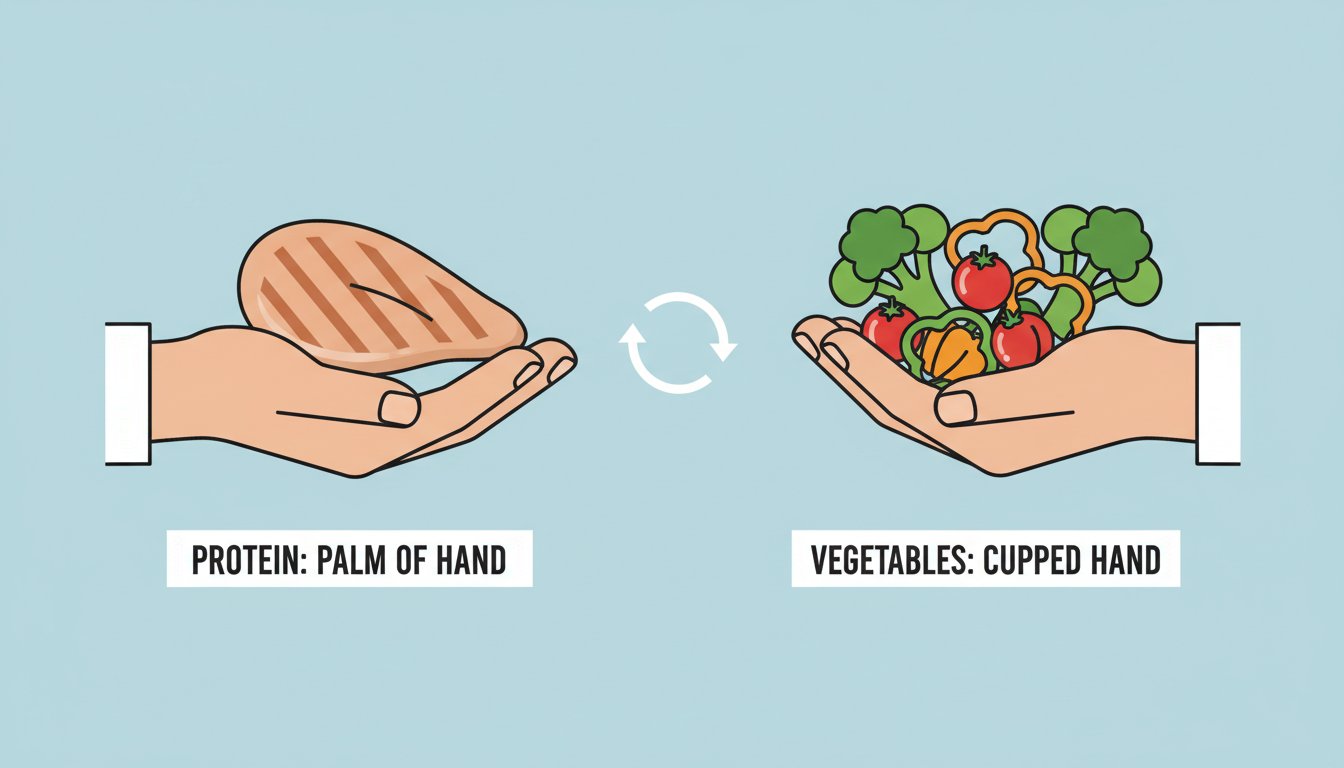
The Hand Method: Your Built-in Measuring Tool
The simplest way to practice visual portioning is to use your hand as a guide. Your hands are always with you, making this the most convenient tool for managing your nutrition at home or while dining out.
1. The Palm for Protein
Protein is essential for satiety and muscle maintenance. A portion of protein—such as chicken, fish, tofu, or lean beef—should be roughly the size and thickness of your open palm. This provides enough amino acids to support your metabolic health without overloading your system.
2. The Fist for Non-Starchy Vegetables
Non-starchy vegetables are the backbone of a glucose-friendly diet. Think of broccoli, leafy greens, peppers, and cauliflower. You should aim for one to two fist-sized portions of these at every lunch and dinner. Because they are high in fiber and water, they add volume to your meal, helping you feel full while having a minimal impact on your blood sugar.
3. The Cupped Hand for Carbohydrates
Carbohydrates often get a bad reputation, but they are a necessary energy source. The key is choosing fiber-rich, complex carbs like quinoa, sweet potatoes, or beans. A "cupped hand" portion is generally the right amount to keep your glucose stable. If you are particularly active, you might lean toward a full cupped hand; if you are having a more sedentary day, a slightly smaller portion is usually sufficient.
4. The Thumb for Healthy Fats
Fats are vital for hormone health and sustained energy, but they are calorie-dense. A thumb-sized portion of healthy fats—like avocado, olive oil, nuts, or seeds—is all you need to round out your plate. Including these fats helps further slow down the digestion of your meal, which is a powerful tactic for preventing post-meal glucose spikes.
Why This Method Promotes Stability
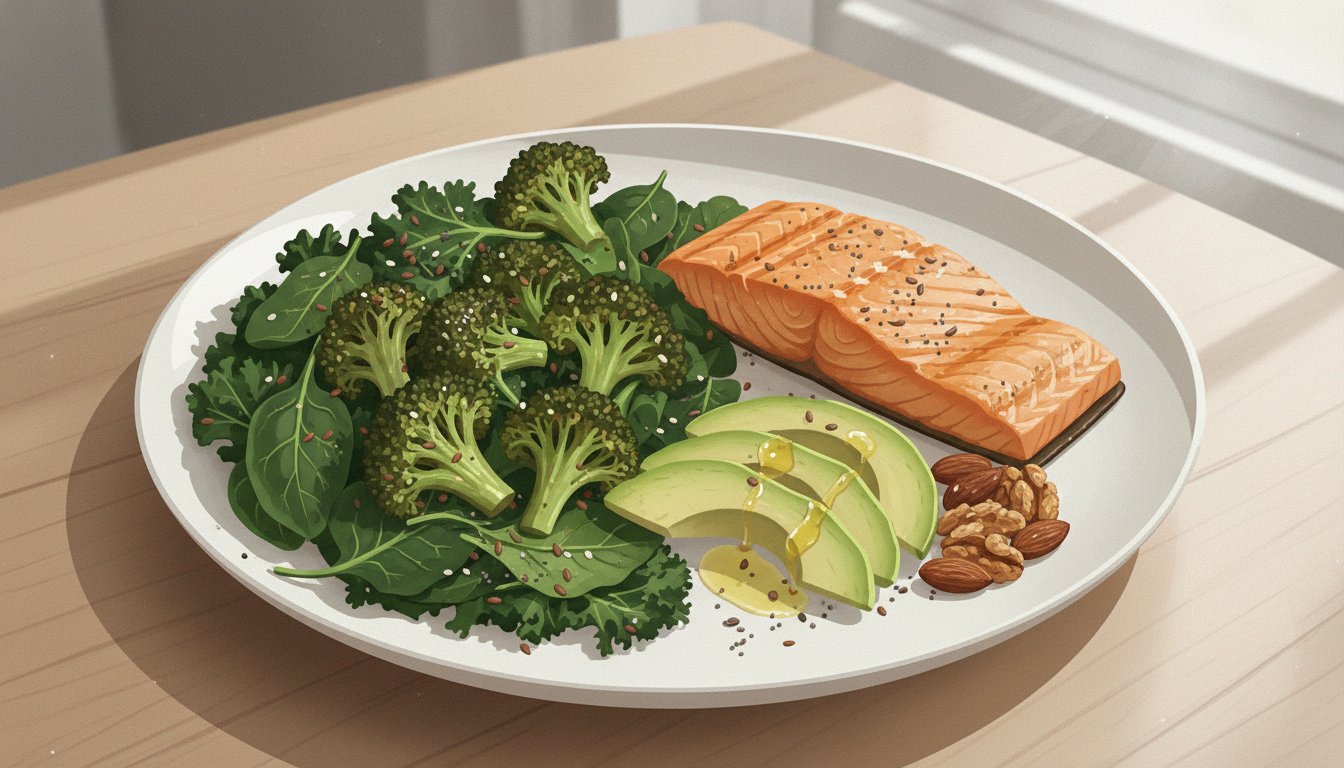
The beauty of the visual method is that it emphasizes the ratio of foods rather than just the total volume. When you fill half your plate with non-starchy vegetables, you are naturally creating a "fiber buffer" that slows down the absorption of the carbohydrates you eat later in the meal.
If you find that your blood sugar levels are still fluctuating, consider the order in which you eat your food. Research suggests that eating your fiber and protein before your carbohydrates can significantly blunt the glucose response. By using your visual guide to prioritize the veggies and protein first, you are setting your body up for success before you even take your first bite of carbs.
Troubleshooting Your Visual Portions
It is natural to wonder if you are "doing it right" in the beginning. The most effective way to validate your visual portions is by using a continuous glucose monitor (CGM). A CGM allows you to see the real-time impact of your meals. If you notice a spike after a meal, you can look back at your plate and realize, "Perhaps that portion of carbs was closer to two cupped hands than one."
Common Mistakes
- Underestimating "Hidden" Carbs: Sauces and dressings often contain added sugars. Even if your plate looks balanced, these additives can cause a spike. Always keep an eye on what goes into your cooking.
- The "Clear Plate" Syndrome: You don't always need to finish everything if you are full. The visual method is a guide, not a mandate. Listen to your body’s hunger cues.
- Overlooking Liquid Calories: Remember that smoothies, juices, and sweetened coffees can impact your glucose levels just as much as solid food. Stick to water, tea, or black coffee to keep your progress on track.
Empowering Your Long-Term Health
Transitioning away from a food scale can feel like "letting go," but it is actually a move toward food freedom. When you stop obsessing over exact numbers, you are more likely to sustain your healthy habits for the long term.
To take this one step further, many people find that using glucose tracking apps helps them correlate their visual portioning with their actual health data. With GlucoAI, you can log your meals and see how your visual portioning choices directly impact your blood sugar stability over time. By seeing the data, you can refine your "hand measurements" to perfectly match your body’s unique needs.
Summary
Mastering a glucose-friendly plate doesn't require complex calculations. By using the visual portion method, you can effectively manage your blood sugar while enjoying a diverse and satisfying diet.
Key Takeaways:
- Use your palm for protein, your fist for veggies, a cupped hand for carbs, and your thumb for healthy fats.
- Prioritize eating fiber and protein before your carbohydrates to help flatten your glucose curve.
- Use a CGM to monitor how your visual portions affect your unique metabolic response.
- Consistency is more important than perfection; don't be afraid to adjust your portions based on your activity level.
Building a healthier lifestyle is a journey of small, sustainable steps. If you are ready to stop guessing and start seeing clear trends in your metabolic health, consider using glucose tracking apps to support your journey. Please consult your doctor or a registered dietitian before making significant changes to your diet, especially if you are taking medication for blood sugar management. When you are ready to see how your plate choices impact your health, let us help you stay on track with the tools and insights you need.
GlucoAI — Smart Blood Sugar Monitor
Track, analyze, and optimize your glucose levels with AI-powered insights.