
- Published on
Mastering the 15-15 Rule for Hypoglycemia
Have you ever felt that sudden, unsettling wave of shakiness, a cold sweat, or a strange sense of confusion while going about your day? If you are living with diabetes or managing insulin sensitivity, you likely recognize these as the hallmark signs of hypoglycemia, or low blood sugar. It is a moment that often triggers a primal sense of panic—a feeling that you need to eat everything in your pantry right now to make the discomfort go away.
While that "eat everything" instinct is natural, it often leads to what we call the "blood sugar rollercoaster." You swing from a dangerous low to an uncomfortably high spike, only to crash again later. Mastering the 15-15 rule is the most effective way to break this cycle, treating the low safely and keeping your glucose levels in a healthy range. In this guide, we will walk through exactly how to execute this rule, why it works, and how you can use tools like GlucoAI to prevent these episodes from happening in the first place.
What Exactly is Hypoglycemia?
In clinical terms, hypoglycemia occurs when your blood glucose level drops below 70 mg/dL. For many people, this is the "danger zone" where the brain and body no longer have enough fuel to function optimally.
Symptoms can vary from person to person, but common signs include:
- Shakiness or tremors
- Sweating and chills
- Dizziness or lightheadedness
- Rapid heartbeat
- Anxiety or irritability
- Blurred vision
- Extreme hunger
It is important to remember that everyone’s "low" feels a bit different. Some people may experience "hypoglycemia unawareness," where they don't feel symptoms until their levels are dangerously low. This is why consistent monitoring with a Continuous Glucose Monitor (CGM) or a standard glucose meter is so vital.
The 15-15 Rule: Step-by-Step
The 15-15 rule is a scientifically backed protocol recommended by organizations like the American Diabetes Association (ADA). It is designed to raise your blood sugar quickly but controlledly.
Step 1: Consume 15 Grams of Fast-Acting Carbs
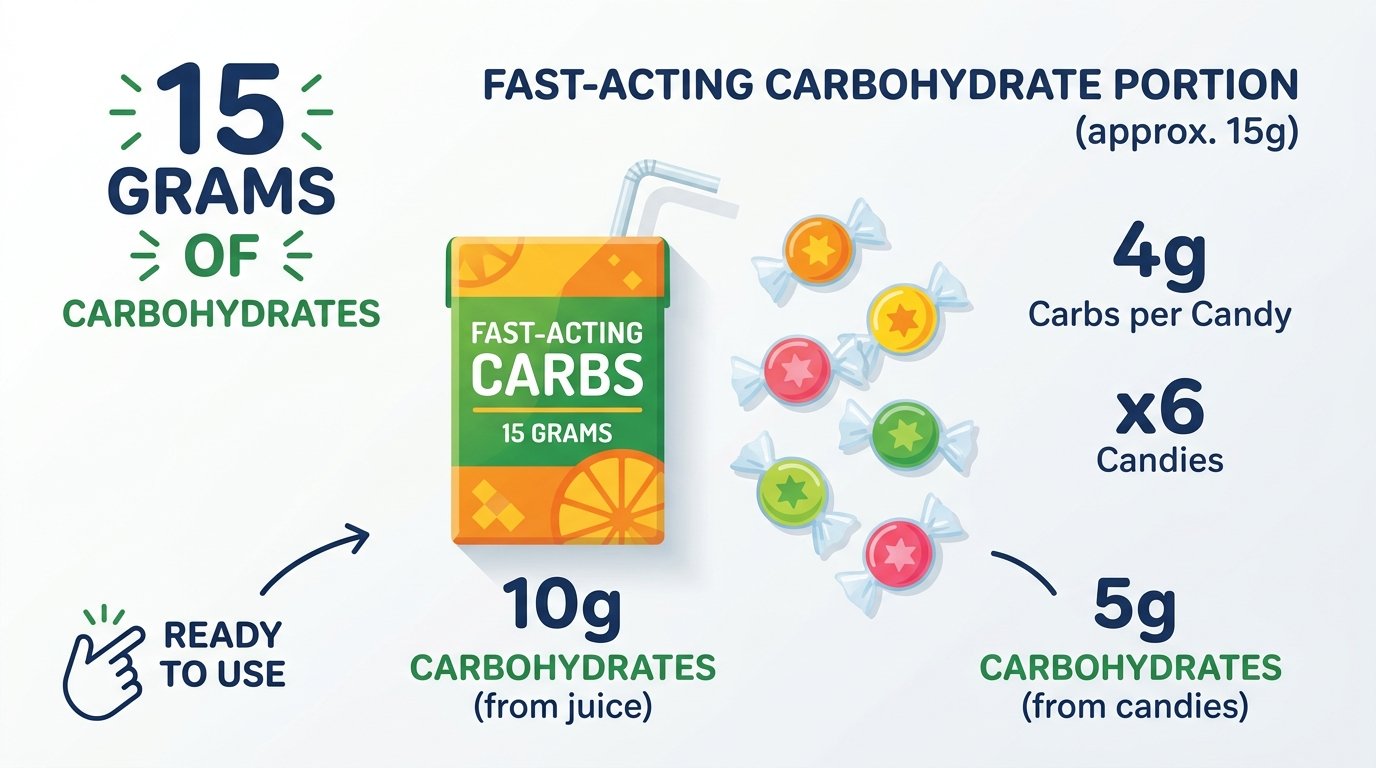
The moment you realize your blood sugar is low (or your CGM alerts you), consume exactly 15 grams of carbohydrates. The key here is "fast-acting." You want simple sugars that your body can convert into glucose almost immediately.
Good examples of 15 grams of fast-acting carbs include:
- 3 to 4 glucose tablets (check the label for exact carb counts)
- 4 ounces (1/2 cup) of fruit juice or regular (non-diet) soda
- 1 tablespoon of honey or corn syrup
- A small handful of jelly beans or hard candies (usually about 5-7 pieces)
Step 2: Wait 15 Minutes
This is the hardest part. Once you’ve consumed the carbs, your brain will still be screaming at you to eat more. However, it takes time for the sugar to enter your bloodstream and reach your brain. Set a timer for 15 minutes and try to sit quietly. Avoid the temptation to "over-treat" during this window.
Step 3: Re-check Your Blood Sugar
After the 15 minutes are up, check your glucose levels again.
- If your level is still below 70 mg/dL: Repeat the process. Consume another 15 grams of carbs and wait another 15 minutes.
- If your level is above 70 mg/dL: You have successfully treated the low.
Step 4: Stabilize with a Snack
Once your blood sugar is back in a safe range, you need to keep it there. If your next meal is more than an hour away, eat a small snack that contains both a complex carbohydrate and a protein. This helps "anchor" your blood sugar so it doesn't drop again. A great example would be an apple with peanut butter or a few whole-wheat crackers with a slice of cheese.
Why We Avoid the "Kitchen Sink" Approach
When your blood sugar is low, your body enters a "fight or flight" mode. This can lead to "reactive overeating," where you consume 50 or 100 grams of carbs in five minutes. While this will certainly raise your blood sugar, it often sends it soaring to 250 mg/dL or higher.
This creates the "rollercoaster effect." High blood sugar leads to fatigue, thirst, and the need for corrective insulin, which then increases the risk of dropping low again. By sticking to the 15-15 rule, you provide just enough glucose to stabilize your system without the massive rebound spike.
Choosing the Right Carbs (and Avoiding the Wrong Ones)
Not all carbohydrates are created equal when you are in a hypoglycemic state. The goal is speed.
What to Avoid During a Low
- Chocolate: While delicious, chocolate contains a high amount of fat. Fat slows down the digestion of sugar, meaning it will take much longer for your blood sugar to rise.
- Pizza or Pastries: Similar to chocolate, the high fat and protein content in these foods delay the glucose response.
- Fiber-rich foods: Whole grains and beans are great for general health, but their fiber content slows down sugar absorption—the exact opposite of what you need during a low.
The Best Choice: Glucose Tablets
Many educators recommend glucose tablets because they are pre-measured and purely glucose. They aren't "tasty" enough to encourage overeating, and they work faster than almost any other food source.
Using Technology to Master the 15-15 Rule
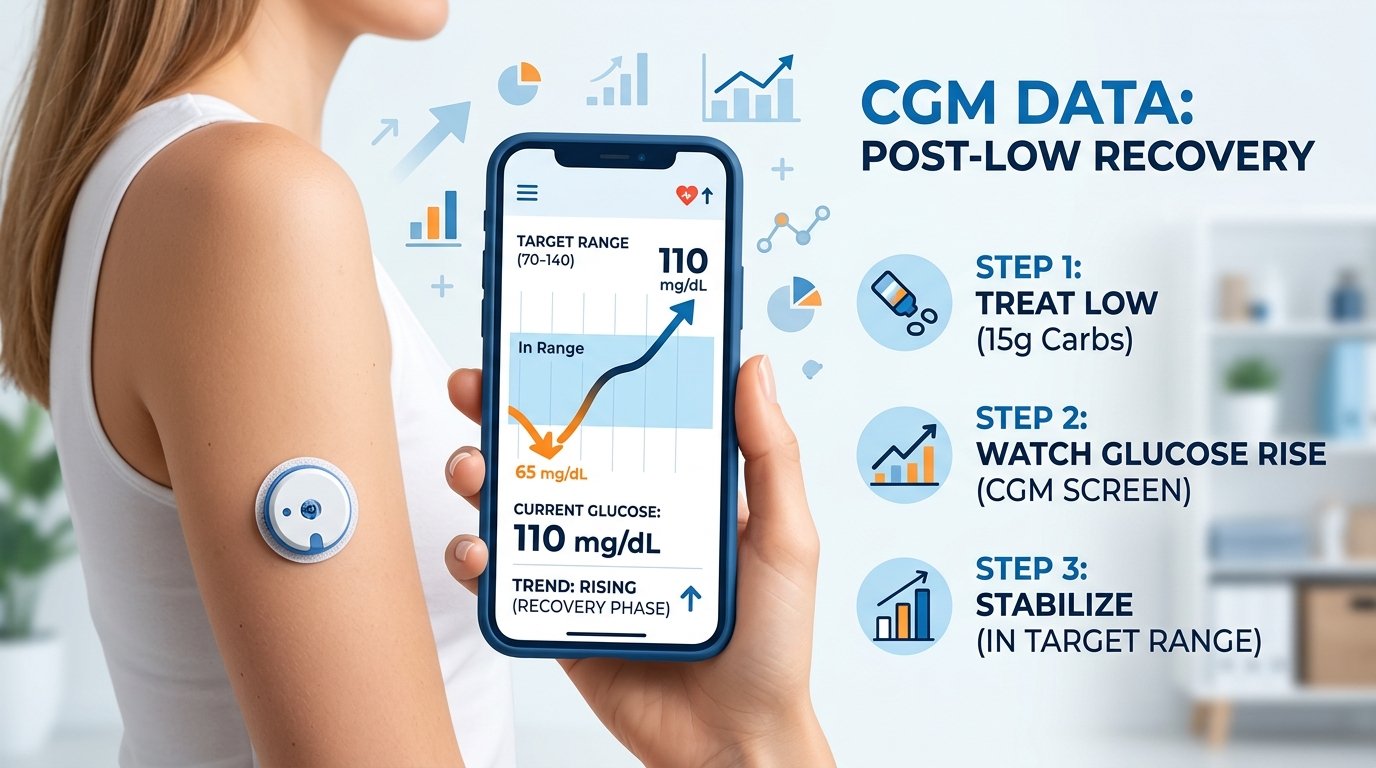
In the past, managing lows was mostly reactive. You felt bad, you tested, and you treated. Today, with the help of glucose tracking apps and CGM technology, we can be much more proactive.
A CGM can show you "trend arrows." If your blood sugar is at 85 mg/dL but the arrow is pointing straight down, you might be heading for a low. This allows you to treat with a smaller amount of carbs before you even hit the 70 mg/dL mark, preventing the symptoms of hypoglycemia entirely.
This is where a tool like GlucoAI becomes invaluable. By logging your lows and the treatments you used, GlucoAI can help you identify patterns. Do you always go low after your Tuesday morning workout? Does a certain dinner consistently lead to a midnight drop? By analyzing this data, you can work with your healthcare provider to adjust your insulin doses or meal timing.
Troubleshooting Common Issues
"I followed the rule, but I still feel shaky."
The physical symptoms of a low can sometimes linger even after your blood sugar has returned to a safe level. This is known as the "hormonal tail." Your body has released adrenaline and cortisol to help raise your sugar, and those hormones take time to dissipate. Trust your meter or CGM—if the numbers are safe, stay calm and wait for the feeling to pass.
"My CGM says I’m low, but I feel fine."
Always double-check a CGM reading with a fingerstick (blood glucose meter) before treating, especially if the reading doesn't match how you feel. "Compression lows" can happen if you lay on your sensor during sleep, giving a false low reading.
"I'm having frequent lows."
If you find yourself using the 15-15 rule more than twice a week, it is time to have a conversation with your doctor. Frequent hypoglycemia is a sign that your medication, exercise routine, or meal plan needs adjustment. Please consult your doctor before making any changes to your treatment plan.
Summary: Key Takeaways
Mastering the 15-15 rule is about moving from panic to precision. By following these steps, you protect your long-term metabolic health and avoid the exhausting highs and lows of the blood sugar rollercoaster.
- Identify the Low: Anything below 70 mg/dL requires action.
- 15 Grams: Use fast-acting carbs like juice, honey, or glucose tabs.
- 15 Minutes: Wait patiently for the sugar to hit your system.
- Re-check: Repeat if necessary until you are above 70 mg/dL.
- Stabilize: Follow up with a protein/carb snack if your next meal is far away.
- Analyze: Use tools like GlucoAI to track these events and find the "why" behind the low.
Managing diabetes is a journey of constant learning. The more data you have and the more consistent your response to lows becomes, the more confident you will feel in your daily life.
Ready to take the guesswork out of your glucose management? Start logging your patterns with GlucoAI today. By tracking how your body responds to different foods and activities, you can stay one step ahead of the lows and keep your energy levels stable all day long.
GlucoAI — Smart Blood Sugar Monitor
Track, analyze, and optimize your glucose levels with AI-powered insights.