
- Published on
Managing Glucose Monitoring Anxiety and Stress
Have you ever felt your heart race just before checking your blood sugar? Or perhaps you’ve stared at the rising line on your continuous glucose monitor (CGM) and felt a wave of guilt or frustration wash over you? If so, you are far from alone. For many people living with diabetes or managing metabolic health, a glucose meter can feel less like a medical tool and more like a judge.
This phenomenon is often called "data anxiety" or "glucose distress." While monitoring your levels is essential for health, the constant stream of numbers can sometimes lead to significant stress, perfectionism, and burnout. The goal of this guide is to help you shift your perspective. We want to move from seeing glucose numbers as a "grade" on your lifestyle and start seeing them as neutral data points that empower you to make informed choices.
Understanding Why the Numbers Feel So Personal
For many of us, a blood sugar reading of 180 mg/dL or 250 mg/dL feels like a personal failure. We think, "I shouldn't have eaten that," or "I'm not working hard enough." This emotional attachment to numbers happens because we’ve been conditioned to see glucose management as a test of willpower.
In reality, your blood sugar is influenced by dozens of factors—many of which are entirely out of your control. Stress, hormones, weather, sleep quality, and even a common cold can send your numbers climbing. When you view every high number as a "bad" result, you trigger a stress response. Ironically, stress releases cortisol, which can cause your blood sugar to rise even further, creating a frustrating cycle of anxiety and hyperglycemia.
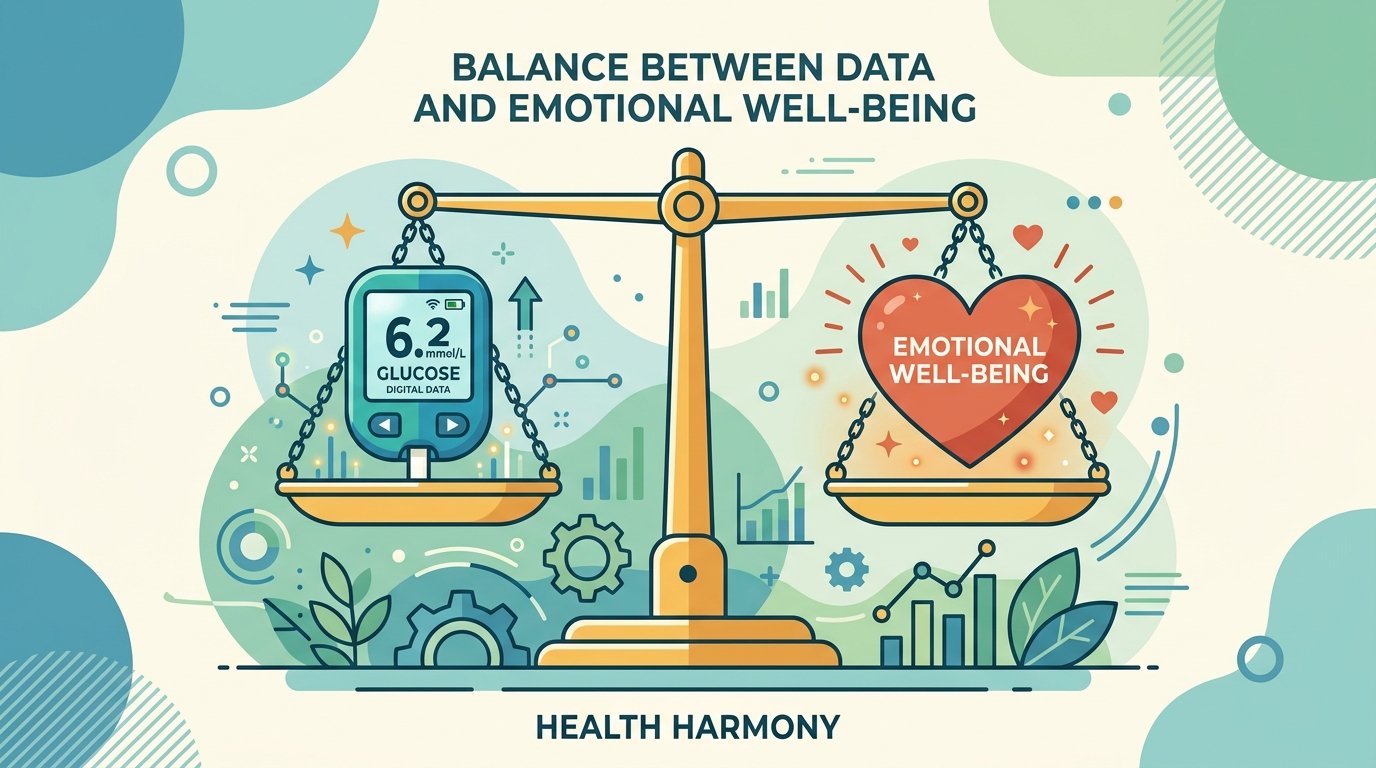
The first step in managing monitoring anxiety is acknowledging that data is not a reflection of your worth. A glucose reading is simply a piece of information, like a weather report. If the report says it’s going to rain, you don't feel like a "bad" person; you simply grab an umbrella. Similarly, if your glucose is high, you simply take the necessary steps to bring it back into range.
Practical Strategies to Lower Monitoring Stress
Reducing the stress associated with glucose monitoring requires a mix of boundary-setting and perspective-shifting. Here are several actionable steps you can take to reclaim your peace of mind.
1. Focus on Trends, Not Single Points
A single fingerstick or a momentary CGM reading is just a snapshot in time. It doesn’t tell the whole story. Instead of obsessing over a single number, look at your "Time in Range" (TIR) or your 24-hour trends. One spike after a celebratory meal doesn't ruin your progress. It’s the overall pattern over days and weeks that truly matters for your long-term health and your A1C (average blood sugar level over 3 months).
2. Set Realistic Boundaries with Your Devices
If you use a CGM, the constant availability of data can be a double-edged sword. Some people find themselves checking their phone every five minutes, which keeps the brain in a state of "high alert." Try to set specific times to review your data. Unless you feel symptoms of a low or high, checking every hour is usually more than enough to stay safe and informed.
3. Reframe the Language You Use
Words matter. Instead of saying your blood sugar is "bad" or "good," try using neutral terms like "high," "low," or "in range." Instead of saying "I cheated on my diet," try saying "I had a meal that spiked my glucose more than I expected." This subtle shift removes the moral judgment from your health management.
Mastering Your Technology Without the Overwhelm
Modern technology, like CGMs and glucose tracking apps, is designed to help, but it can also contribute to "alarm fatigue." This happens when your devices beep so often that you become desensitized, anxious, or angry.
Adjust Your Alarm Thresholds
If your "high" alarm is set too low (for example, at 140 mg/dL), it might go off every time you eat a healthy meal, leading to unnecessary stress. Work with your doctor to set alarm thresholds that keep you safe but allow for normal physiological fluctuations. You want your alarms to be a safety net, not a constant commentary on your life.
Let AI Do the Heavy Lifting
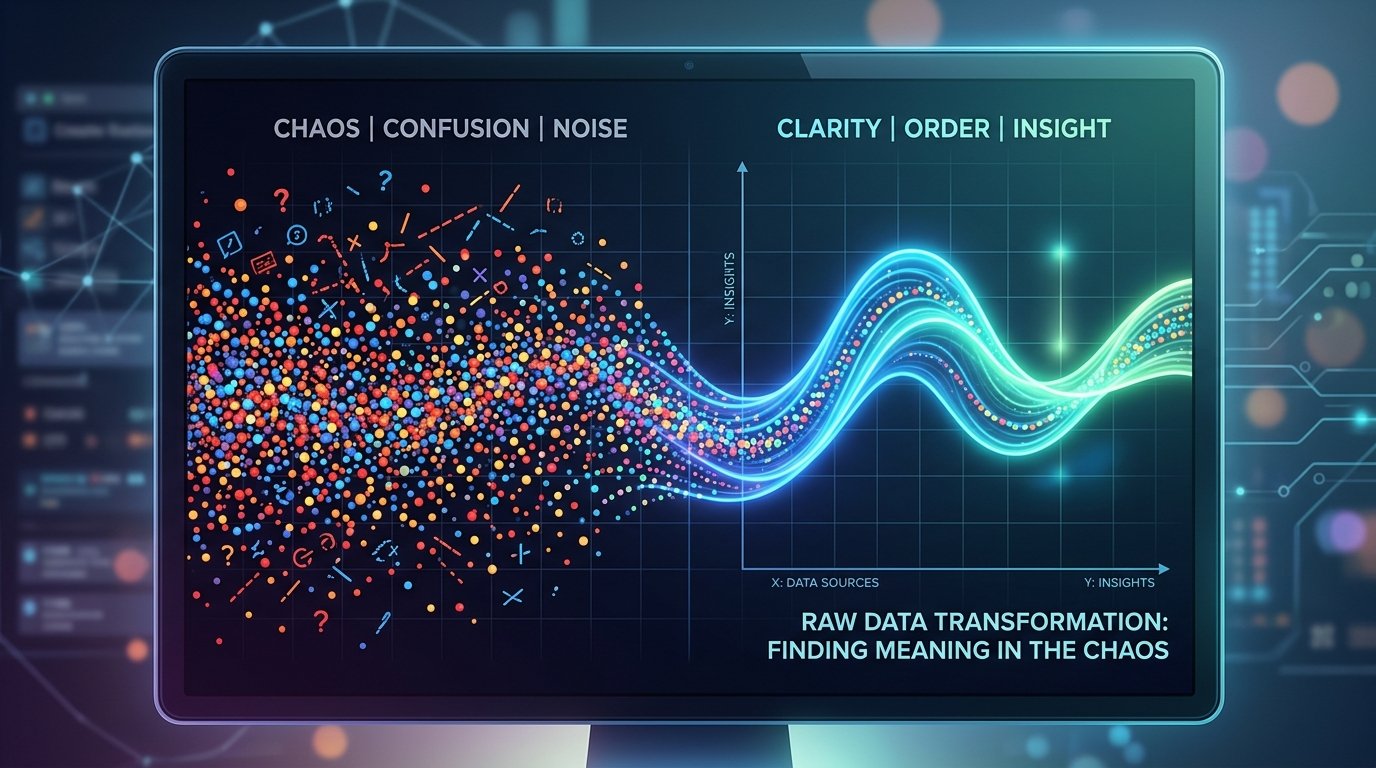
One of the biggest sources of anxiety is trying to figure out why a spike happened. Was it the rice? Was it the lack of sleep? Was it the stressful meeting? Analyzing these variables manually is exhausting. This is where tools like GlucoAI can be a game-changer. By using a glucose tracking app that leverages AI, you can identify patterns automatically. When a tool tells you, "Your glucose tends to be higher on Tuesday mornings after poor sleep," it takes the guesswork and the guilt out of the equation. You no longer have to obsess over the 'why' because the data has already been interpreted for you.
The Role of Mindfulness and Professional Support
Sometimes, the anxiety becomes too heavy to handle alone. If you find yourself avoiding monitoring altogether because the numbers are too stressful, or if you are experiencing symptoms of depression related to your health, it is time to reach out.
Practice "Pause and Breathe"
When you see a number you don't like, your immediate instinct might be to panic or over-correct with insulin or exercise. Instead, try the "Pause and Breathe" method. Take three deep breaths. Remind yourself: "This is just a number. I have the tools to handle this." This short circuit prevents the "fight or flight" response from taking over.
Consult Your Healthcare Team
Please consult your doctor or a certified diabetes care and education specialist (CDCES) if monitoring is causing significant distress. They can help you adjust your targets or provide strategies to manage the psychological side of chronic illness. Sometimes, seeing a mental health professional who specializes in chronic health conditions can also provide you with the coping mechanisms needed to handle the daily grind of management.
Building a Resilient Relationship with Data
The ultimate goal of glucose monitoring is to give you more freedom, not less. When you have a resilient relationship with your data, you can enjoy a piece of birthday cake or a vigorous workout knowing exactly how to respond to the resulting glucose changes.
Remember that metabolic health is a marathon, not a sprint. There will be "messy" days where the numbers don't make sense despite your best efforts. On those days, practice self-compassion. Your body is a complex biological system, not a calculator. As long as you are showing up and doing your best, you are succeeding.
Summary
Managing glucose monitoring anxiety is about changing your relationship with the numbers. By implementing these strategies, you can reduce stress and improve your metabolic health simultaneously.
Key Takeaways:
- Data is Neutral: View glucose readings as information, not a grade on your character.
- Trend Over Snapshots: Focus on your Time in Range and weekly patterns rather than individual spikes.
- Adjust Technology: Customize your CGM alarms to reduce "alarm fatigue" and noise.
- Use Smart Tools: Leverage glucose tracking apps like GlucoAI to interpret complex patterns and remove the mental burden of analysis.
- Self-Compassion: Remember that dozens of factors affect blood sugar; you cannot control them all.
If you find that manually tracking your meals and analyzing your glucose trends is adding to your stress, consider letting technology help. Using a dedicated management tool like GlucoAI can help you find the "why" behind your numbers without the hours of frustration. Start by focusing on one small habit change today—perhaps adjusting an alarm or practicing a breathing exercise—and watch how your relationship with your health begins to transform.
Medical Disclaimer: The information provided in this blog is for educational purposes only and is not intended as medical advice. Always consult your doctor or healthcare provider before making changes to your medication, diet, or exercise routine.
GlucoAI — Smart Blood Sugar Monitor
Track, analyze, and optimize your glucose levels with AI-powered insights.