
- Published on
Exercise Snacking for Stable Glucose Curves
Imagine you’ve just finished a balanced lunch. You sit back down at your desk, ready to tackle your afternoon emails, but within thirty minutes, a familiar fog begins to settle over your brain. Your energy dips, your focus wavers, and if you were wearing a Continuous Glucose Monitor (CGM), you’d likely see a sharp mountain peak forming on your graph. This is the post-meal glucose spike, and for many of us, it’s an inevitable part of the workday grind.
But what if I told you that you don’t need an hour-long gym session to fix this? What if the secret to flattening those peaks and keeping your energy steady wasn’t a grueling workout, but a series of "snacks"—not the kind you eat, but the kind you do? Welcome to the world of exercise snacking. This approach is changing how we think about metabolic health, proving that short, frequent bursts of movement can be just as powerful as a long workout when it comes to managing your blood sugar.
What Exactly is Exercise Snacking?
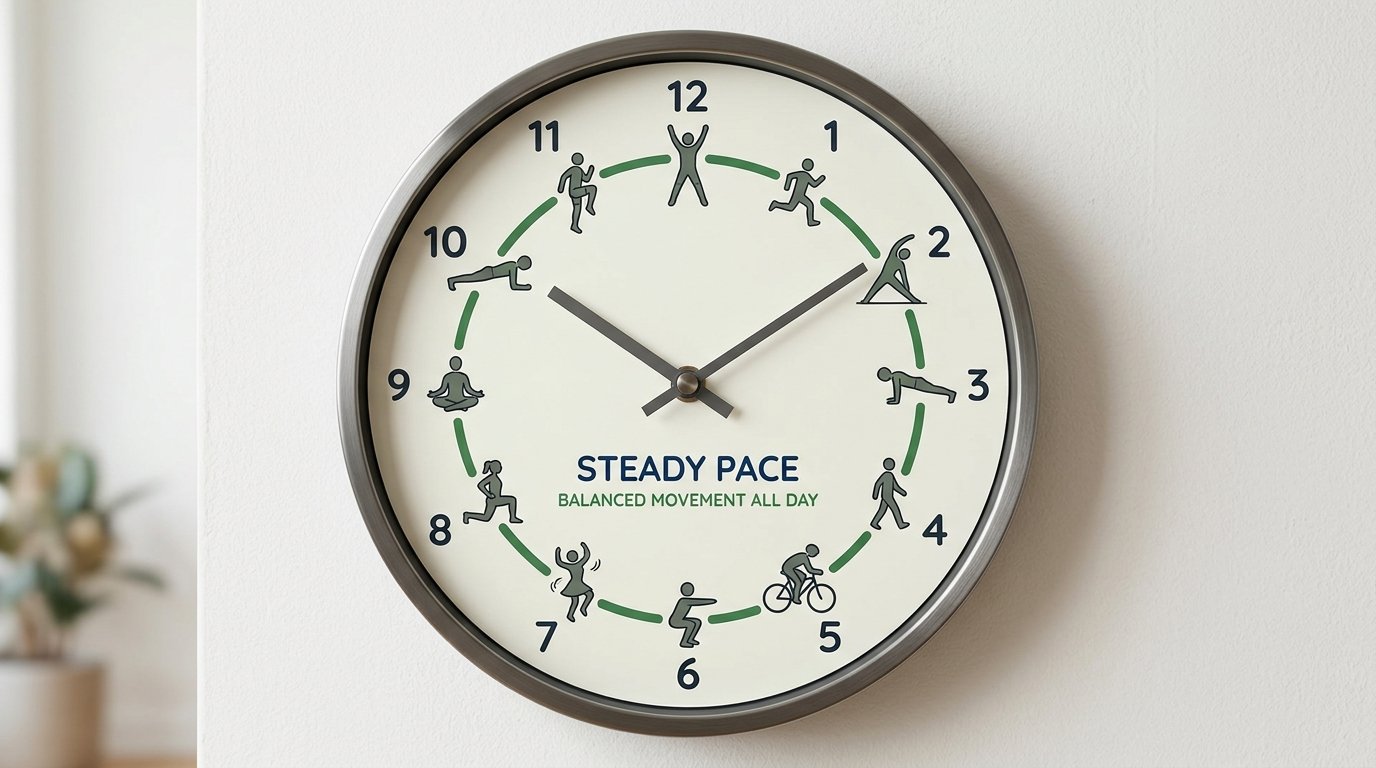
The term "exercise snacking" might sound trendy, but the science behind it is incredibly grounded. Simply put, exercise snacking refers to short bouts of vigorous or moderate activity—lasting anywhere from one to five minutes—performed multiple times throughout the day. Instead of viewing exercise as a single, 60-minute block of time, you break it into bite-sized pieces that fit naturally into your schedule.
For most office workers or those with sedentary lifestyles, the traditional "all-or-nothing" approach to fitness often fails. We sit for eight hours, then try to "make up for it" with an intense evening spin class. While that class is great for your heart, it doesn’t help your body process the glucose from the breakfast and lunch you ate hours ago. Exercise snacking bridges this gap by providing your metabolism with regular "nudges" to keep things moving efficiently.
The Science: How Movement Flattens the Curve
To understand why these tiny bursts of movement work, we have to look at how our muscles interact with sugar. When you eat carbohydrates, your body breaks them down into glucose, which enters your bloodstream. In a healthy metabolism, your pancreas releases insulin, which acts like a key, opening the doors to your muscle cells so they can take in that glucose for energy.
However, when we sit still for long periods, those "doors" become a bit rusty. This is known as decreased insulin sensitivity. Your body has to pump out more insulin to get the same result, and the glucose stays in your blood longer, leading to those sharp spikes we want to avoid.
The Power of GLUT4
When you perform an "exercise snack"—even something as simple as twenty air squats or a two-minute brisk walk up the stairs—something magical happens. Your muscles undergo a process called non-insulin-mediated glucose uptake. Essentially, the physical contraction of your muscles signals a protein called GLUT4 to move to the cell surface. This protein acts like a vacuum, sucking glucose out of your blood and into the muscle cells without requiring extra insulin.
By "snacking" on exercise every hour or immediately after a meal, you are manually activating these glucose vacuums. This results in a much lower post-meal peak and a more stable glucose curve throughout the entire day. Please consult your doctor before starting any new exercise routine, especially if you have underlying health conditions or are managing Type 1 or Type 2 diabetes with medication.
Building Your Exercise Snack Menu
The beauty of exercise snacking is that it requires no special equipment or a change of clothes. You can do these anywhere. Depending on your environment, here is a "menu" of movement snacks you can start using today:
The "In-Office" Menu (Low Sweat, High Impact)
- The Stair Climb: Find the nearest stairwell and walk up and down for two minutes. This is one of the most effective ways to lower glucose because it engages the large muscles in your legs.
- The Desk Push-Up: Lean against a sturdy desk and perform 15–20 push-ups.
- The Calf Raise: While waiting for the coffee to brew or standing during a phone call, perform 30–50 calf raises. Research shows the soleus muscle in the calf is particularly efficient at metabolic regulation.
- The Seated Leg Extension: If you absolutely cannot leave your seat, straighten one leg at a time under your desk, squeezing your quad at the top. Repeat for two minutes.
The "Home Office" Menu (More Privacy, More Intensity)
- Air Squats: Set a timer for 60 seconds and do as many controlled squats as you can.
- Jumping Jacks: A classic for a reason. 30 seconds of jumping jacks can significantly spike your heart rate and trigger glucose uptake.
- Wall Sits: Hold a wall sit for 45 seconds between meetings. It’s a great way to build isometric strength while managing sugar.
- Kitchen Counter Lunges: While waiting for your lunch to heat up, do a set of lunges across the room.
Timing is Everything: When to "Snack"
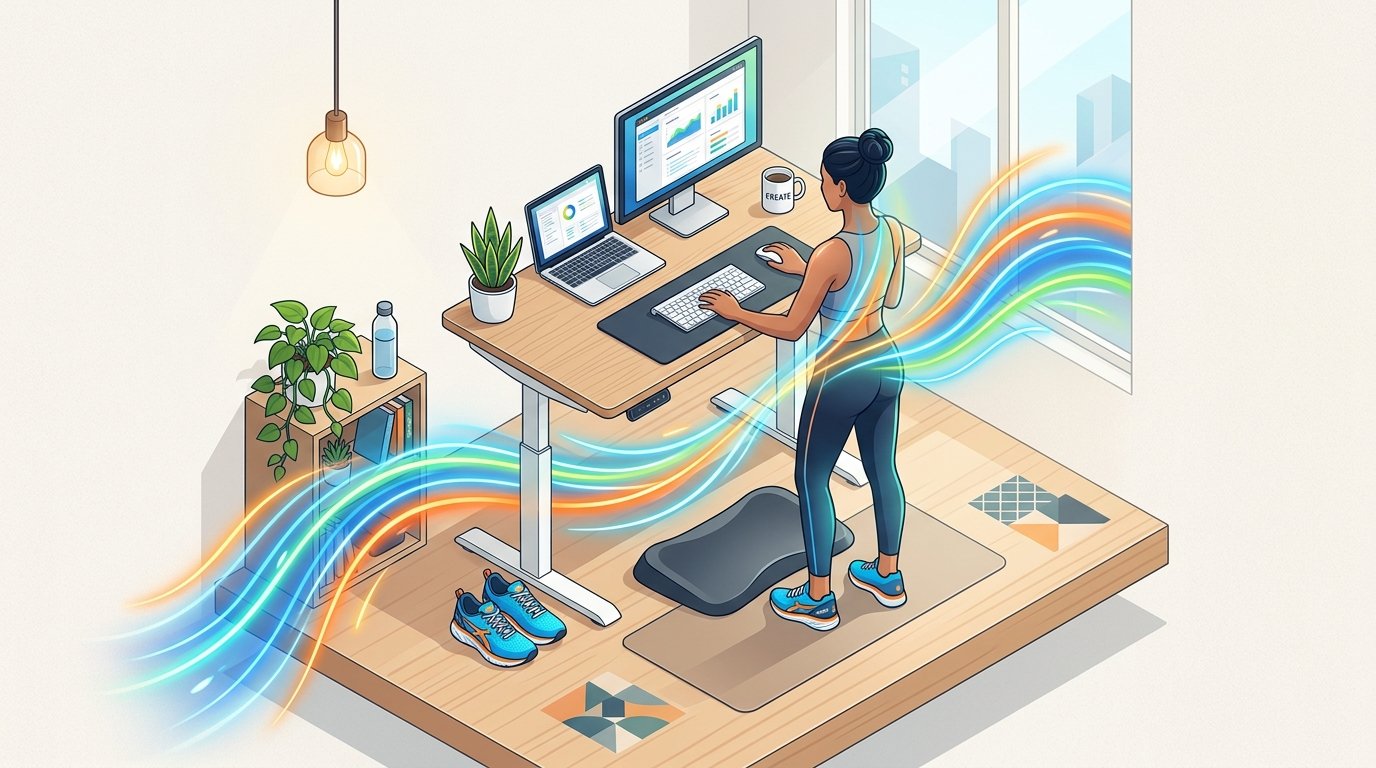
While any movement is better than none, timing your exercise snacks can amplify their effectiveness. If your goal is stable glucose, there are two primary strategies:
1. The Post-Meal Window
The most critical time to move is 15 to 30 minutes after you finish eating. This is when your blood sugar begins to rise. By performing a three-minute exercise snack during this window, you can "blunt" the spike before it reaches its peak. Many people find that a simple walk around the block or five minutes of light movement after lunch prevents the dreaded 3:00 PM energy crash.
2. The "Sedentary Break" Strategy
If you aren't eating, your goal is to maintain insulin sensitivity. Research suggests that breaking up sedentary time every 30 to 60 minutes is far more effective than standing all day. A one-minute "snack" every hour keeps your metabolism in an "active" state, making it easier for your body to handle your next meal.
How to Track Your Progress
One of the most rewarding aspects of exercise snacking is seeing the immediate impact on your data. If you use a CGM, you can literally watch your glucose curve flatten in real-time after a bout of movement.
This is where technology becomes your best friend. Using a glucose tracking app like GlucoAI allows you to log these movement snacks alongside your glucose readings. Over time, you might notice that 20 squats after breakfast are more effective for you than a walk, or that your morning glucose levels are more stable when you incorporate a "snack" before your first meeting.
By logging your activities in GlucoAI, you can move away from guesswork and start making data-driven decisions about your health. You’ll begin to see patterns: "When I sit for three hours, my glucose stays elevated at 140 mg/dL. When I do two minutes of stairs, it drops back to 100 mg/dL within twenty minutes." That kind of insight is incredibly empowering.
Overcoming the "Awkwardness" Factor
I know what you might be thinking: "I can’t just start doing squats in the middle of an open-plan office!" It can feel a bit strange at first, but your metabolic health is worth a moment of social bravery.
If you're in a public office, start small. Take the long way to the restroom. Use the stairs instead of the elevator. If you have a private office or work from home, set a "movement alarm" on your phone or computer. The key is to make it a non-negotiable part of your day, just like brushing your teeth.
Summary: Key Takeaways for Stable Curves
Exercise snacking is a practical, evidence-based way to take control of your metabolic health without overhauling your entire life. Here are the main points to remember:
- Small bursts matter: One to five minutes of movement can be as effective for glucose control as longer sessions.
- Focus on the legs: Exercises that use large muscle groups (squats, lunges, stairs) provide the biggest metabolic "bang for your buck."
- Time it right: Aim to move 15–30 minutes after eating to blunt glucose spikes.
- Break the sit: Try to move for at least one minute for every hour you spend sitting.
- Use data: Track your movement and glucose levels using tools like GlucoAI to see what works best for your unique body.
- Consult a professional: Always talk to your healthcare provider before making significant changes to your activity levels, especially if you have diagnosed metabolic conditions.
Managing your blood sugar doesn't have to be a full-time job. By incorporating these tiny "snacks" of movement into your workday, you’re not just flattening a curve—you’re building a foundation for long-term health, better energy, and a sharper mind.
Ready to see the difference for yourself? Try your first exercise snack right now. Stand up, do ten air squats, and notice how much more alert you feel. Then, download GlucoAI to start tracking how these small habits lead to big changes in your glucose stability. Your future self (and your metabolism) will thank you!
GlucoAI — Smart Blood Sugar Monitor
Track, analyze, and optimize your glucose levels with AI-powered insights.