
- Published on
Managing Diabetes During Illness: A Sick Day Guide
Managing Diabetes During Illness: A Sick Day Guide
When you are feeling under the weather, the last thing you want to worry about is a complex diabetes management plan. However, even a common cold, the flu, or a stomach bug can send your blood sugar levels on a rollercoaster ride. When your body is fighting an infection, it releases stress hormones like cortisol and adrenaline to help you heal. These hormones, unfortunately, also cause your blood sugar to rise, making it harder to keep your levels in your target range.
Understanding how to navigate these days is a crucial part of your health journey. Whether you are dealing with a fever or digestive issues, having a solid plan can help you stay safe, avoid complications, and focus on resting. Let’s look at how you can effectively manage your glucose during illness.
Monitoring Your Glucose More Frequently
During illness, your usual routine often needs to be adjusted. Your body’s metabolic needs change rapidly, which means your standard insulin doses or oral medications might not be as effective as they are when you are healthy.
The most important step you can take is to monitor your blood glucose levels more frequently. If you typically check your levels a few times a day, you may need to increase that frequency to every three to four hours while you are sick. If you use a Continuous Glucose Monitor (CGM), keep a closer eye on your trends and alerts.
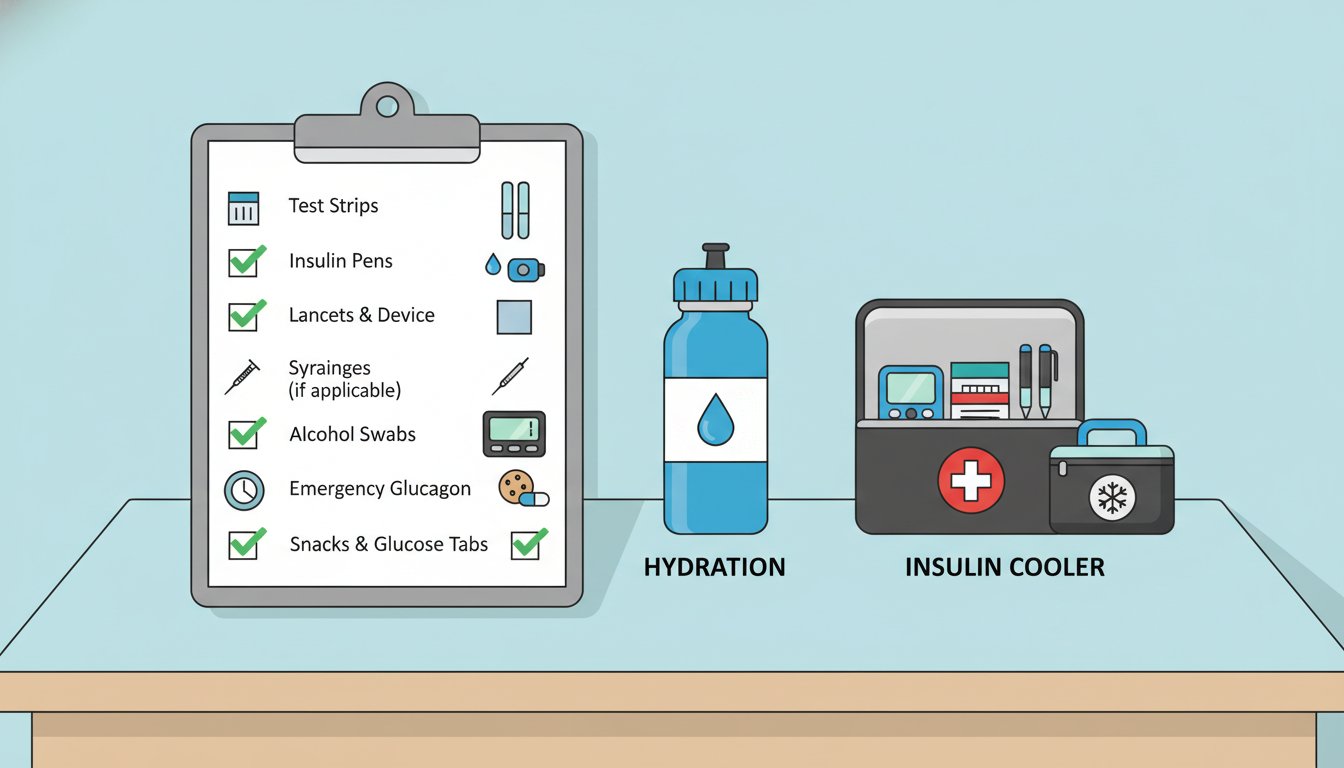
Why does this matter? Illness can lead to hyperglycemia (high blood sugar) due to the body's stress response, or hypoglycemia (low blood sugar) if you are unable to eat your usual amount of carbohydrates. By tracking your numbers consistently, you catch these fluctuations early. Using dedicated glucose tracking apps can be incredibly helpful during these times, as they allow you to log your readings and spot patterns that might require an adjustment in your care.
When to Check for Ketones
If you live with type 1 diabetes, checking for ketones is non-negotiable when you are sick. Ketones are produced when your body breaks down fat for energy instead of glucose due to a lack of insulin. High levels of ketones can lead to a serious complication known as diabetic ketoacidosis (DKA). Always follow your doctor’s specific advice on when and how to test for ketones, especially if your blood sugar remains elevated above 240 mg/dL for two consecutive readings.
Staying Hydrated and Nourished
When you are sick, your hydration status is just as important as your glucose levels. Fevers, vomiting, and diarrhea can quickly lead to dehydration, which can further complicate your blood sugar control.
Drink plenty of water throughout the day. If you are struggling to keep food down, aim for small, frequent sips of calorie-free fluids. If your blood sugar is trending low and you cannot eat a full meal, keep "sick day" snacks on hand. These should be easy-to-digest carbohydrates, such as:
- Sugar-free gelatin or broth
- Sports drinks (if you need a quick glucose boost)
- Applesauce
- Crackers
It is important to remember that your body still needs energy to fight off the infection. Even if your appetite is low, try to consume small amounts of carbohydrates every few hours to keep your glucose stable and prevent starvation ketosis.
Adjusting Your Medication Strategy
One of the most frequent questions people ask is: "Should I change my insulin dose when I'm sick?" The short answer is: Always consult your doctor before making any changes to your medication regimen.
Every individual’s response to illness is different. Your healthcare provider should have provided you with a "sick day management plan" that outlines how to adjust your insulin or oral medications based on your specific glucose readings. Never stop taking your long-acting (basal) insulin without professional guidance, as your body still needs a baseline level of insulin to prevent ketoacidosis, even if you aren't eating much.
If you find that your blood sugar is consistently running high despite following your typical routine, note these trends in your glucose tracking tools. Sharing this data with your healthcare team allows them to provide much more accurate advice on whether you need a temporary dose adjustment.
Knowing When to Seek Medical Help
While many illnesses can be managed at home with extra monitoring and rest, there are times when you must contact your healthcare provider immediately. Do not wait if you experience any of the following "red flags":
- Persistent vomiting or diarrhea: If you cannot keep fluids down for more than 4 to 6 hours, the risk of severe dehydration and DKA increases significantly.
- High blood sugar that won't budge: If your blood sugar remains significantly above your target range despite taking corrective doses of insulin as prescribed.
- Moderate to large ketones: If you test for ketones and receive a high reading.
- Confusion or extreme lethargy: These can be signs of DKA or severe hypoglycemia, both of which are medical emergencies.
- Symptoms that worsen: If you feel like you aren't improving after 24 hours of rest and care.
Always err on the side of caution. Your primary care physician or endocrinologist would much rather have you call with a question than wait until a situation becomes an emergency.
Preparing for the Next Time
The best time to prepare for a sick day is when you are feeling well. Take a few minutes this week to:
- Review your sick day plan: Ensure you have the current contact information for your healthcare provider and know exactly what your "target" blood sugar ranges are during illness.
- Stock your supplies: Keep a backup supply of test strips, ketone strips, and your preferred low-blood-sugar treatments (like glucose tabs or gels) in your medicine cabinet.
- Update your tracking habits: Consistent logging makes a world of difference. Using a tool like GlucoAI can help you maintain a clear picture of your metabolic health, making it easier to identify when your body is starting to react to an illness.
Summary
Managing diabetes during an illness requires patience, vigilance, and a proactive approach. By monitoring your blood sugar more frequently, staying hydrated, keeping in touch with your healthcare team, and knowing when to seek emergency care, you can navigate these challenging days safely.
Remember, your health is a marathon, not a sprint. Small, consistent efforts—like logging your data and staying hydrated—are the building blocks of long-term success. If you are looking for a more streamlined way to keep track of your numbers and recognize patterns, consider using GlucoAI to help you stay organized and confident in your management, even when you aren't feeling your best.
Disclaimer: This blog post is for educational purposes only and does not constitute medical advice. Please consult your doctor or healthcare provider before making any changes to your medication, diet, or diabetes management plan.
GlucoAI — Smart Blood Sugar Monitor
Track, analyze, and optimize your glucose levels with AI-powered insights.